The recent drone attack on the UAE Consulate in Erbil highlights the growing security threat in Iraq. This marks the second strike against the consulate in one week, wounding two security personnel and causing structural damage. The UAE Ministry of Foreign Affairs called the incident a “flagrant violation of all international norms and laws” and a “serious escalation and a threat to regional security and stability.”
The ministry urged Iraq’s federal government and the Kurdistan Regional Government (KRG) to investigate the attack. They must identify the perpetrators and hold them accountable.
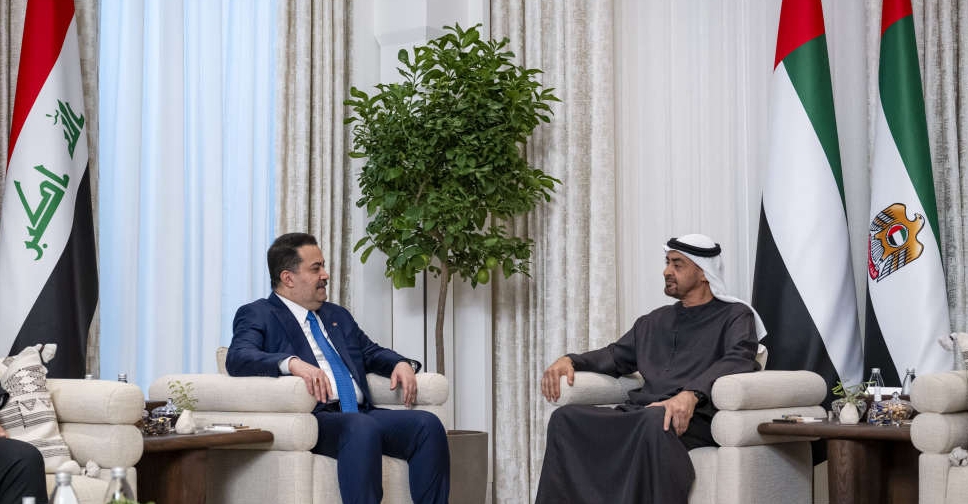
In response, Kurdistan Region President Nechirvan Barzani and KRG Prime Minister Masrour Barzani spoke with UAE President Mohammed bin Zayed Al Nahyan.
Moreover, the Kurdistan Region has faced more than 200 drone, missile, and rocket attacks since February 28.
Consequently, these strikes killed four people and injured 19, according to Community Peacemaker Teams – Iraqi Kurdistan.
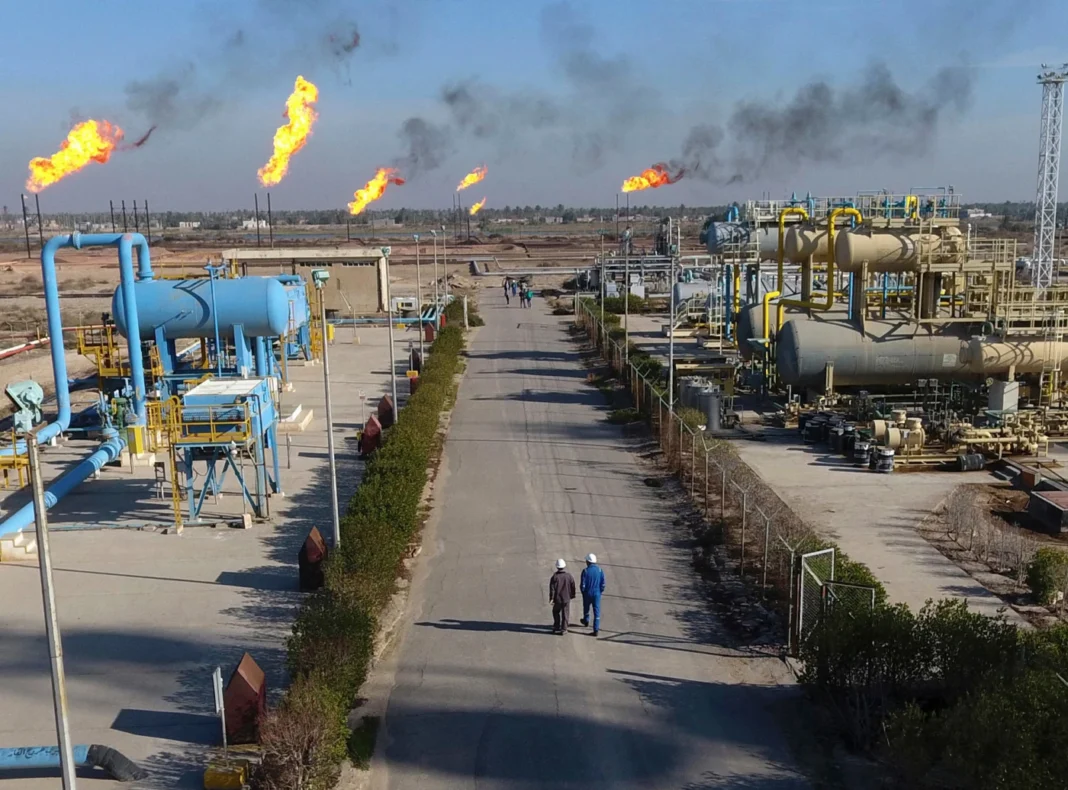
The attacks targeted military bases, diplomatic missions, airports, oil facilities, and residential areas across Erbil and Sulaymaniyah provinces.
Armed groups aligned with Iran, including the IRGC, have claimed responsibility for many of the strikes. As a result, authorities in Iraq and the Kurdistan Region remain on high alert, reinforcing security at sensitive locations.
The ongoing violence further escalates the Iraq security threat to both civilians and coalition personnel stationed in the region.
In addition, experts warn that continued attacks could disrupt Iraq’s energy supplies, trade routes, and broader regional stability. Iraqi authorities have pledged to act decisively, emphasizing that protecting civilians and foreign personnel is a top priority. Coordination between the federal government, KRG, and international partners remains crucial to mitigating the threat.
Ultimately, the recent incidents underscore how the Iraq security threat is growing. Officials stress vigilance, stronger preventive measures, and swift accountability for perpetrators to maintain stability across Iraq’s governorates.