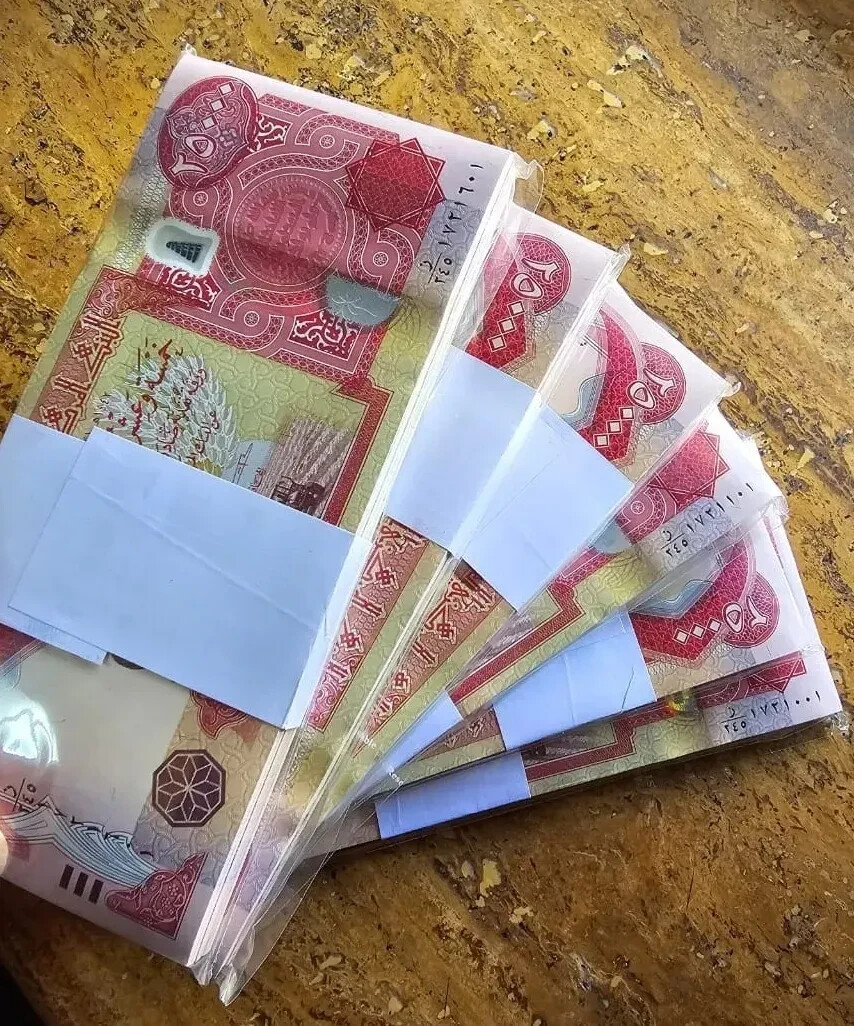
The U.S. dollar fell in Iraq on Wednesday as traders in Baghdad and Erbil reacted to market changes. The currency sold for 154,750 dinars per 100 dollars in both cities, showing a moderate decline from Tuesday.
In Baghdad, exchange shops in Al-Kifah and Al-Harithiya lowered prices after a recent surge. The dollar sold at 155,250 dinars and bought at 154,250 dinars. Traders said higher supply and lower demand contributed to the drop.
Meanwhile, Erbil markets mirrored Baghdad’s trend. Sellers offered the dollar at 154,750 dinars, while buyers paid 154,550 dinars. Analysts noted that short-term fluctuations continue to influence trading as the U.S. dollar falls in Iraq.
Economic and political developments in Iraq play a major role in these movements. Government spending, imports, and banking activity all affect currency trading. Investors closely watch these factors to adjust strategies.
Throughout the trading day, experts emphasized that the U.S. dollar falls in Iraq due to a mix of local and global pressures. Regional trade, oil price shifts, and foreign investment can quickly change supply and demand.
Central exchanges in Baghdad reported steady trading despite the price dip. Many currency buyers took advantage of lower rates to secure U.S. dollars for reserves.
Smaller offices in Erbil followed similar trends. Analysts suggested that while the drop is modest, it reflects broader market sentiment. Market watchers predict further fluctuations in the coming weeks.
Overall, the U.S. dollar falls in Iraq amid changing supply-demand dynamics, active trading, and economic signals. Traders and businesses must remain vigilant to navigate these short-term shifts.
Daily monitoring of Baghdad and Erbil markets is essential as currency values continue to adjust. Rapid changes in the U.S. dollar’s value against the dinar require careful attention from investors.