
Expanding Clean Energy became a central theme as the Kurdistan Region’s Ministry of Electricity intensified its push for foreign investment in renewable power. The ministry announced new talks with a Turkish firm that seeks to develop a 25-megawatt solar project. Officials described the engagement as an important step toward broader energy diversification.
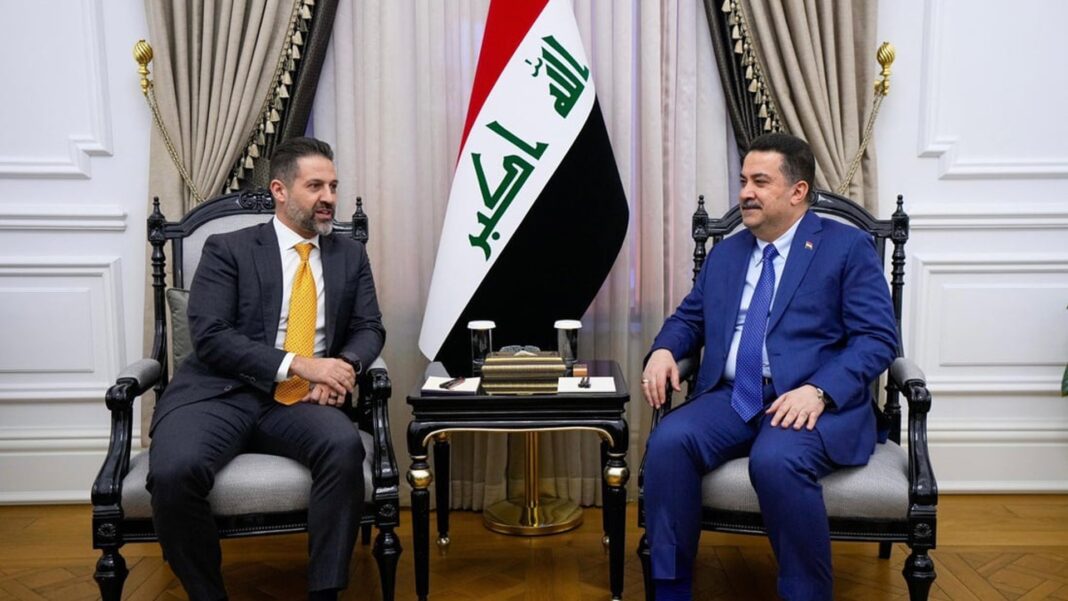
KRG Electricity Minister Kamal Mohammed Salih met Salahaddin Yildiz, head of Turkey’s Hasili Company, in Erbil. Senior advisers and directors from the ministry’s administration, production and distribution departments joined the meeting. They reviewed the company’s proposal and examined technical expectations for the planned project. The discussions moved quickly because both sides expressed strong interest in long-term cooperation.
The proposed project includes a 25 MW solar power plant inside the Kurdistan Region. Ministry officials stated that the project aligns with regional goals to reduce reliance on traditional power sources. They also argued that new solar plants can ease electricity shortages and strengthen grid resilience. Furthermore, they stressed that foreign expertise can accelerate progress across the energy sector.
Throughout the meeting, Minister Salih reaffirmed support for international investment. He said the ministry stands ready to streamline procedures and provide required information. He highlighted the importance of precise data and clear guidelines for all renewable-energy investors, In addition, encouraged additional companies to explore opportunities across the Kurdistan Region.
Available information shows that Hasili Company holds strong credentials in Turkey. The firm currently produces nearly 1,000 MW of solar power and manages contracts for another 500 MW. Company leaders now want to expand operations beyond Turkey. They view the Kurdistan Region as a promising market because demand for renewable energy continues to grow.
Moreover, ministry officials expect new projects to support economic development. They explained that solar investments can create jobs, strengthen technical skills and attract more international partners. They also noted that reliable renewable power can help stabilize electricity supplies during peak demand periods. These improvements, they said, support long-term growth and environmental protection.
The ministry emphasized that Expanding Clean Energy requires cooperation between government institutions and private investors. Officials believe that new partnerships can strengthen infrastructure and increase energy security. They also underlined that consistent support from policymakers encourages more companies to enter the market.
As interest in solar development rises, KRG leaders hope to position the region as a competitive hub for renewable projects. They argue that Expanding Clean Energy will shape future policies, guide strategic planning and promote sustainable growth across the entire region.