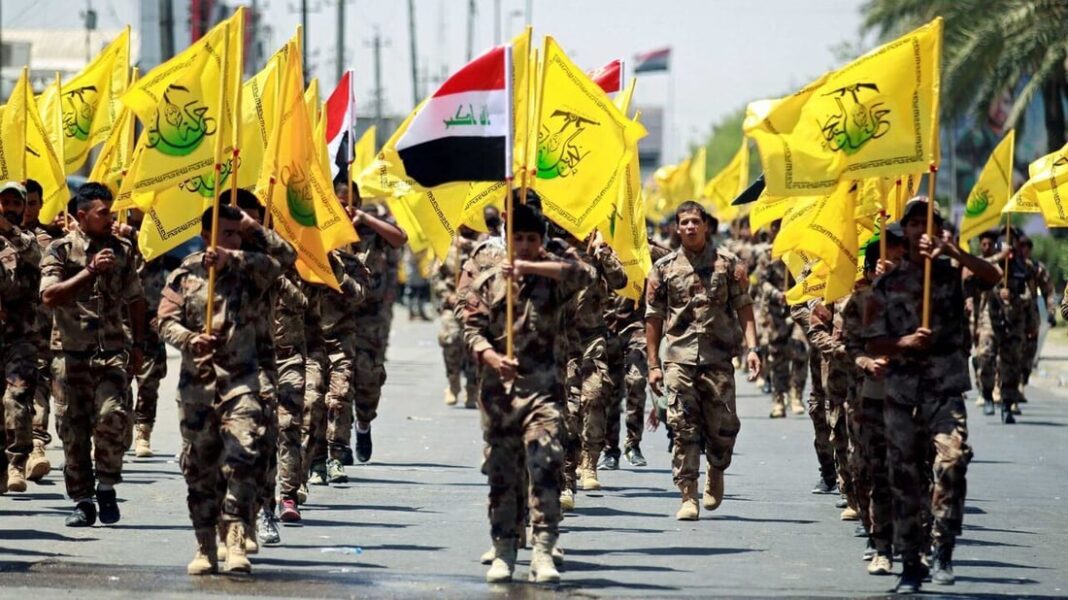
The Islamic Resistance ultimatum escalated political and security tensions across Iraq on Sunday. They called for a full U.S. withdrawal within five days. The Islamic Resistance ultimatum also warned that no future Iraqi government would gain approval without its consent.
Iran-aligned factions operating under the Islamic Resistance in Iraq issued the statement. They demanded an end to all foreign military presence across Iraq. They also said they would impose their own conditions before halting operations.
The groups claimed that their campaign against U.S. forces would continue until their demands are met. They insisted that no foreign soldier should remain anywhere in Iraq. Additionally, they warned of severe consequences if weapons and air defense systems stayed in place.
The statement said the conflict would not end without their direct control over outcomes. It also included a warning that refusal to comply could trigger further escalation. Moreover, the factions referenced previous regional conflicts to justify their stance.
Abu Mujahid al-Assaf, a senior security official within Kataib Hezbollah. He is also named as a successor to a previously killed security leader. He repeated demands for full withdrawal and strict conditions on foreign presence.
Furthermore, the factions extended a conditional pause on attacks against the U.S. Embassy. They added five more days to that pause. However, they warned that any violation would trigger immediate retaliation.
They also referenced regional events as examples of potential escalation. In addition, they used strong language to emphasize their willingness to respond forcefully. Their messaging signaled a more aggressive public position than earlier statements.
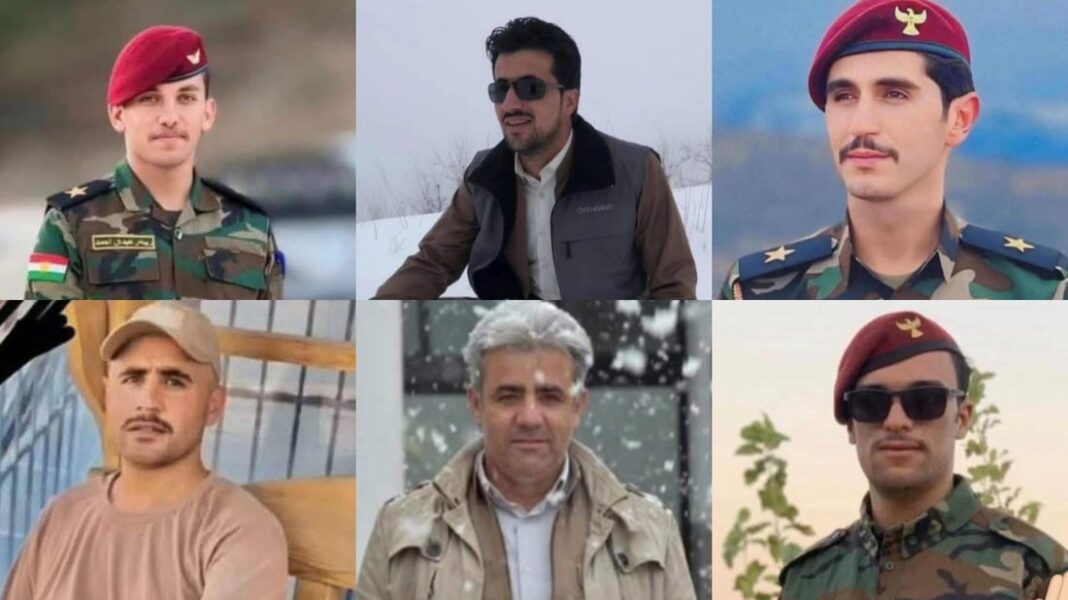
The Islamic Resistance ultimatum also included accusations against Iraq’s security institutions. The groups claimed that some intelligence officers worked with foreign agencies. They specifically accused Kurdish intelligence personnel of ties to Mossad and U.S. intelligence.
Moreover, they alleged cooperation between Iraqi officials and regional intelligence services. They claimed such networks enabled attacks on Popular Mobilization Forces positions. However, these claims remain unverified by independent sources.
The statement also carried strong political warnings about Iraq’s future leadership. The factions said no new government would succeed without their approval. They also criticized officials who oppose attacks on U.S. forces.
Additionally, they accused political figures of serving foreign interests. They argued that Iraq’s sovereignty requires alignment with their position. These remarks further intensified political divisions inside the country.
Overall, the Islamic Resistance ultimatum marks a significant escalation in rhetoric. It moves beyond military claims into direct political pressure. It also increases uncertainty around Iraq’s internal stability.
Observers note that the situation now blends military threats with political demands. Therefore, regional and international actors continue to monitor developments closely.