Kurdish parties fail to agree, and Iraq’s political deadlock worsens. The Shiite Coordination Framework (CF) said lawmakers may soon vote freely for president. The announcement came on Wednesday, as the country struggles to elect a new head of state. The CF called for a fast end to the impasse and warned that ongoing paralysis harms Iraq’s political stability. It also said the delay undermines the country’s economic recovery and security efforts, stressing that continued gridlock cannot match Iraq’s current challenges.
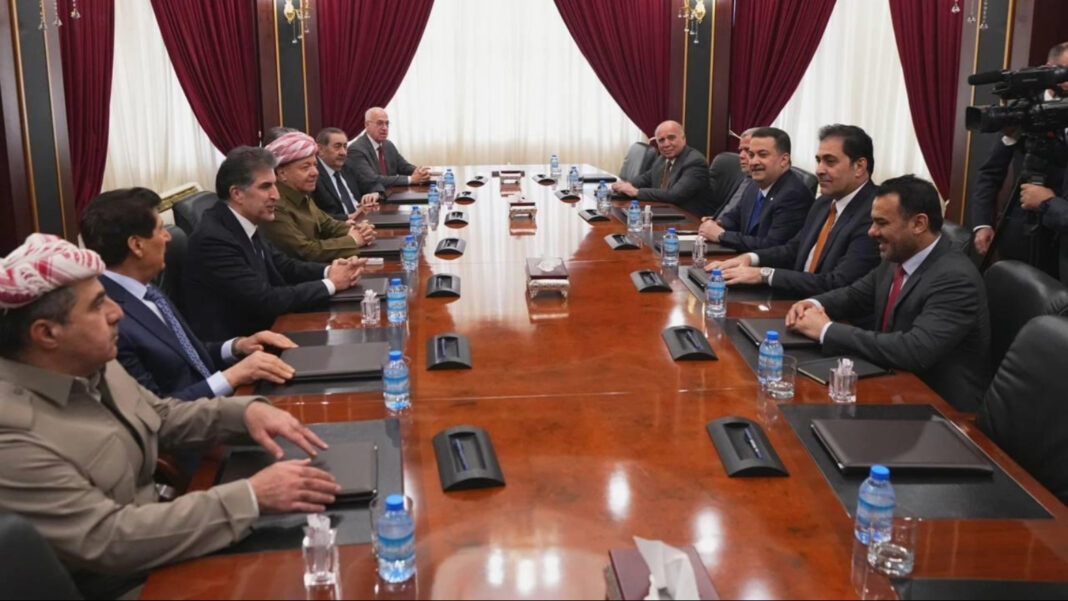
The CF urged Kurdish parties to seriously consider a compromise and review proposals from a CF delegation that recently visited the Kurdistan Region. The delegation met with top leaders from both Kurdish factions and discussed ways to end the presidential stalemate. Caretaker Prime Minister Mohammed Shia Al-Sudani led the delegation, which traveled to Erbil and Al-Sulaymaniyah on February 2. They met with Kurdistan Democratic Party (KDP) leader Masoud Barzani and Bafel Talabani of the Patriotic Union of Kurdistan (PUK). The talks focused on the stalled election and future government steps.
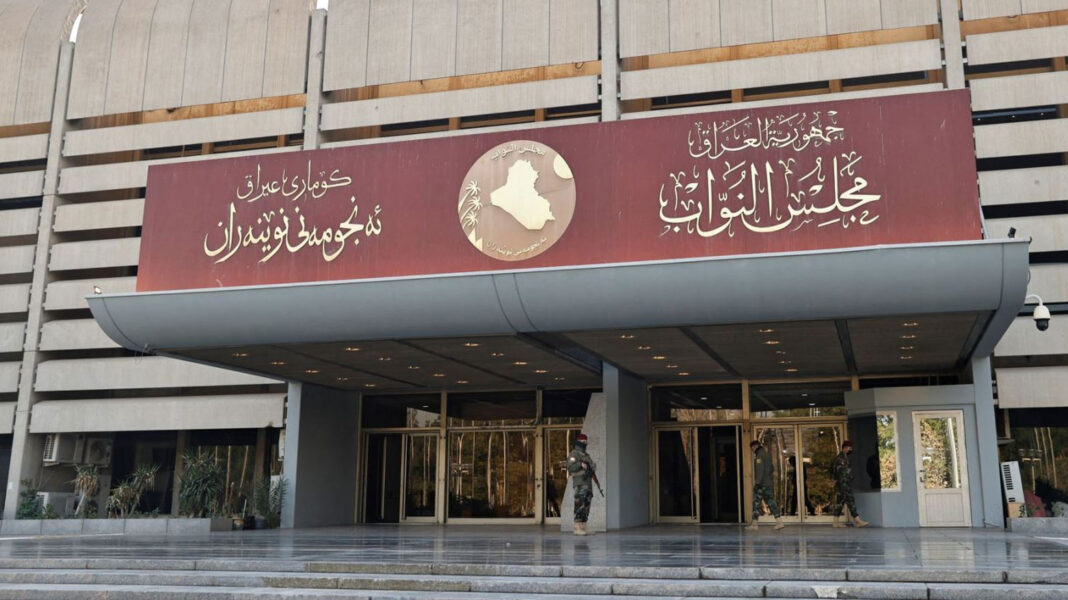
Iraq’s parliament has repeatedly failed to meet the quorum for a presidential vote because Kurdish parties have not united behind one candidate. As a result, lawmakers cannot hold the election, and the deadlock has stalled the entire government formation process. Under Iraq’s informal power-sharing system, the presidency typically goes to a Kurdish politician, while the prime minister’s post traditionally belongs to a Shiite leader. This arrangement makes Kurdish consensus essential, and without it, Iraq cannot name a prime minister-designate or form a cabinet.
The CF recently set a 48-hour deadline for the two major Kurdish parties to agree on a presidential candidate. If they fail, the CF said its lawmakers will vote freely, which could break the deadlock but also risks worsening tensions. The move signals growing frustration within the bloc, as Iraq’s institutions remain unable to function properly. The delay has added pressure on political leaders to find a compromise quickly. The next few days may determine whether Iraq moves forward or remains stuck in political limbo.
Former Prime Minister Nouri Al-Maliki remains the CF’s preferred candidate for the premiership, despite U.S. opposition to his return. However, Al-Maliki has shown willingness to step aside if the CF majority requests it. His potential withdrawal could help the bloc avoid a wider crisis and allow negotiations to continue. Yet, the political stalemate continues to hinder Iraq’s ability to address urgent economic and security challenges. Kurdish parties fail to agree, and the country remains trapped in uncertainty.