Iraq Yazidi support continues to expand for survivors and their families across the country. On Monday, a senior Iraqi official confirmed that 2,216 Yazidi survivors and their relatives now receive monthly stipends under the Yazidi Survivors Law.
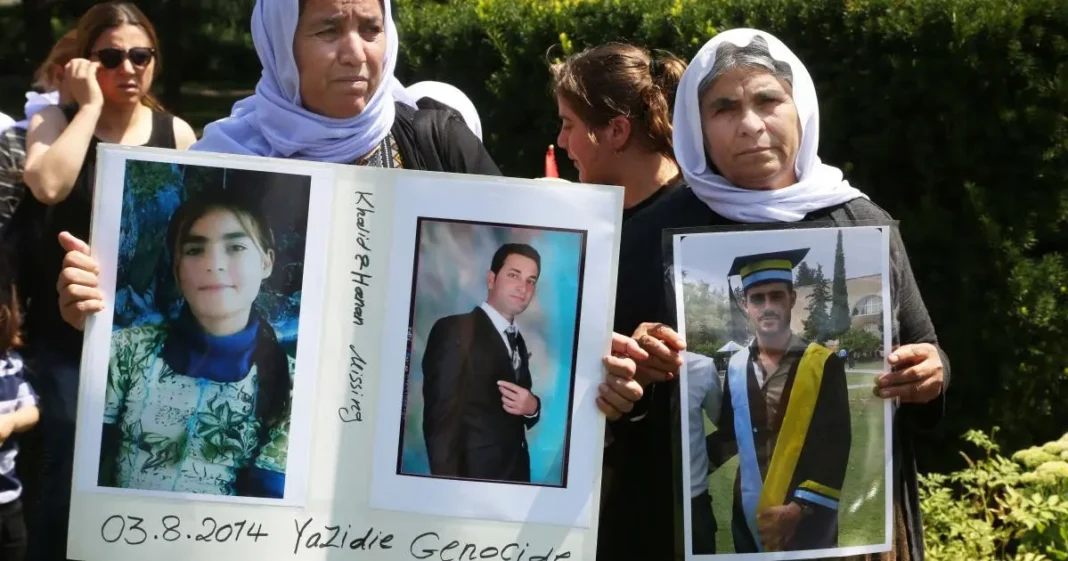
The Yazidi community, estimated at around 500,000 people, primarily resides in Sinjar in Nineveh province and northern Duhok. The community suffered targeted attacks by ISIS in 2014, which killed thousands and enslaved many women and children. Tens of thousands were forced to flee to the Kurdistan Region and Syria.
During a Human Rights Day event in Baghdad, Zidan Al-Atwani, human rights adviser to caretaker Prime Minister Mohammed Shia Al-Sudani, highlighted ongoing efforts to resolve the missing persons file. He explained that authorities are developing new databases to determine the fate of those still unaccounted for.
Official records show 663 Yazidis and members of other communities are currently listed as missing. Government data indicates 662 registered cases, with several individuals later located. These efforts aim to clarify the status of all missing persons and provide closure for affected families.
Over the past three years, Al-Atwani explained, the advisory office has strengthened human rights practices across state institutions. The office has also managed cases of displaced people and assisted families of the missing, ensuring their rights remain protected.
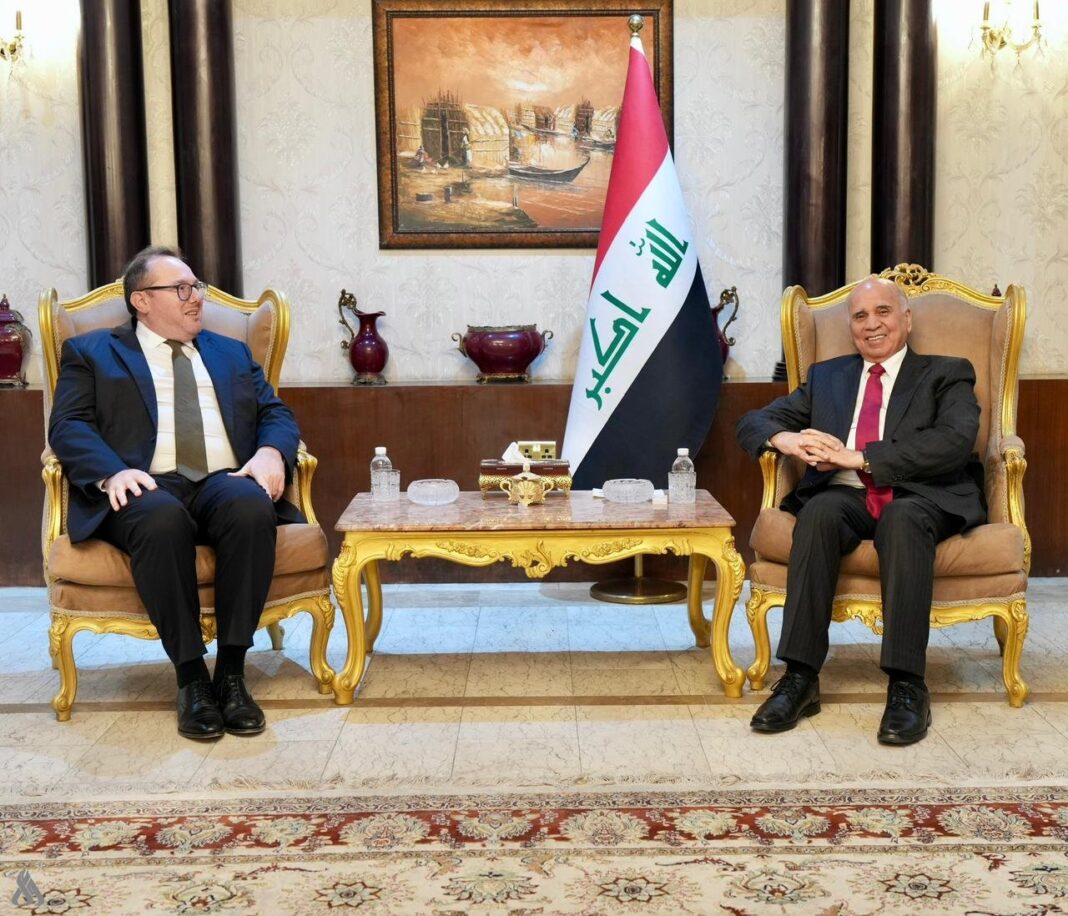
Earlier on Monday, Al-Sudani reaffirmed his government’s commitment to supporting Yazidis and other communities. He met with Hazem Tahseen Beyk, a Yazidi leader in Iraq and globally, to discuss measures for safeguarding rights and rebuilding affected areas.
Furthermore, officials emphasized that monthly stipends provide not only financial relief but also symbolic recognition of the community’s suffering. These payments aim to help survivors rebuild their lives while maintaining cultural and social stability.
The Yazidi community continues to face challenges due to displacement and the lingering effects of ISIS attacks. Iraqi authorities are coordinating with local and international organizations to improve housing, education, and healthcare services for survivors.
Ultimately, Iraq Yazidi support represents a crucial step in national reconciliation. Authorities hope that these measures will strengthen trust between the government and minority communities while fostering long-term stability and security.