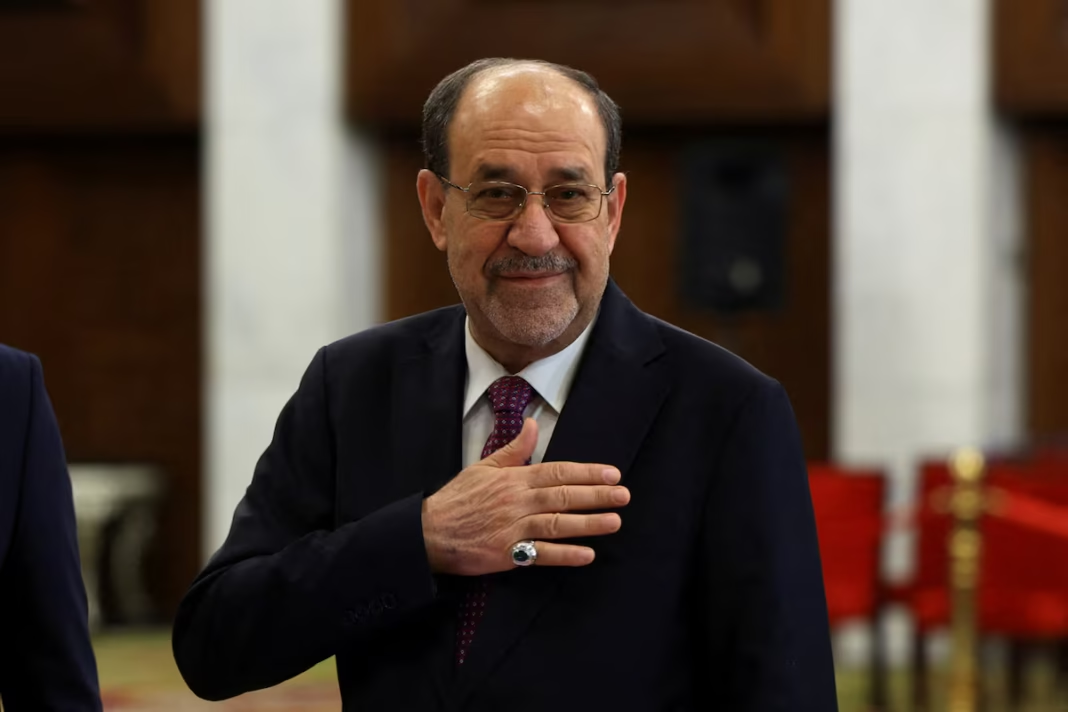
Iraq‑Turkey oil exports enter a new chapter as Iraq’s State Oil Marketing Organization begins renewing a key agreement. Moreover, the director of SOMO, Ali al‑Shatri, confirmed the organization will start the renewal process. He told Rudaw News that all parties should approve the extension smoothly. Therefore, Iraq‑Turkey oil exports remain central to the country’s economic recovery and energy strategy, highlighting their strategic importance.
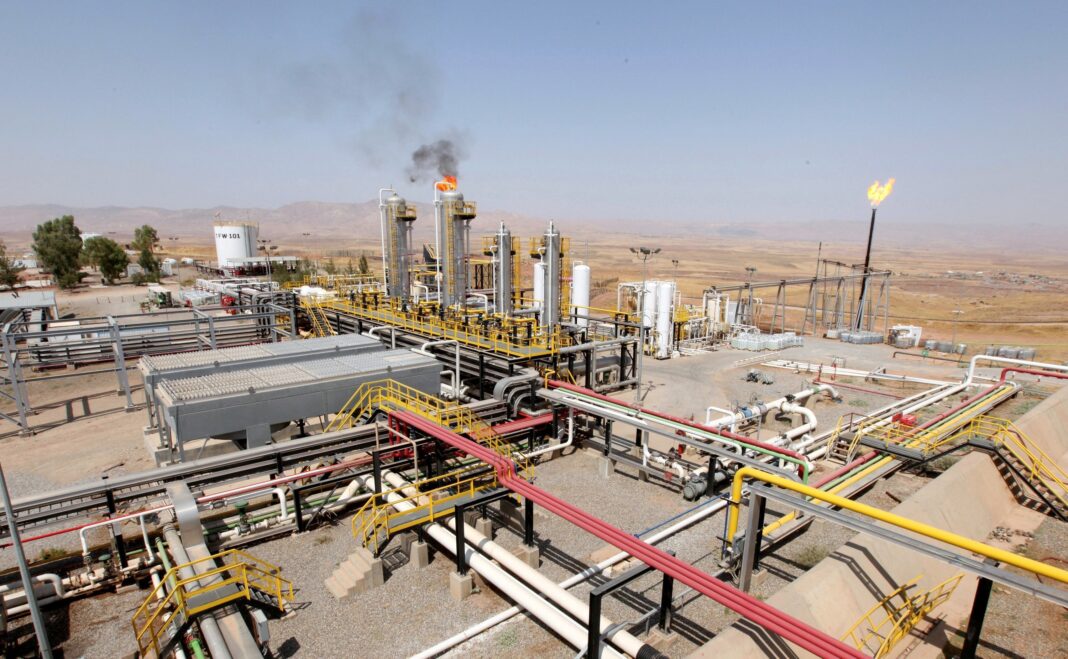
In late December, the federal government in Baghdad, the Kurdistan Regional Government (KRG), and leading oil companies in northern Iraq agreed to extend the existing deal. Consequently, they added three extra months to the September arrangement. This extension allowed them to continue delivering crude from Kurdistan through the Iraq‑Turkey pipeline to the Turkish port of Ceyhan.
Under this agreement, Baghdad pays $16 per barrel for oil that Kurdistan produces, following national budget rules. Additionally, the arrangement requires that SOMO receives at least 230,000 barrels per day (bpd). Currently, Kurdistan produces around 280,000 bpd. Of this, the region keeps about 50,000 bpd for local energy use, while authorities send the remaining 230,000 bpd to Iraq’s central export system. As a result, local markets stay stable, while federal export targets meet expectations.
Since September 2025, the pipeline has steadily carried exports. This restart ended a two-and-a-half-year halt, which had limited revenue. Consequently, Iraq gains much-needed income and strengthens control over its oil export routes. Furthermore, officials say the consistent export flow gives Baghdad a stronger voice in global energy markets.
Recent industry reports show that shipments via Ceyhan may rise sharply in February 2026. Analysts attribute this increase to higher pipeline capacity and improved logistics across the network. In addition, traders and producers responding to global demand have welcomed the renewed momentum enthusiastically.
Al‑Shatri announced the renewal process as Baghdad and the KRG prepare broader talks on long-term cooperation. Many experts predict that the next agreement will address export volumes, payment terms, and infrastructure investment. Therefore, these changes could shape Iraq’s energy landscape for years.
Ultimately, Iraq‑Turkey oil exports form a vital economic lifeline, stabilize the national budget, and strengthen Iraq’s role in global energy markets. With the renewal process underway, stakeholders anticipate a smooth transition into the next phase of export cooperation.