Iraq Terror Sanctions Update came Friday as Baghdad revised its terrorism sanctions list. The update reflects new details for Syrian transitional President Ahmed Al-Sharaa. It also aligns Iraq’s records with the latest UN Security Council designations.
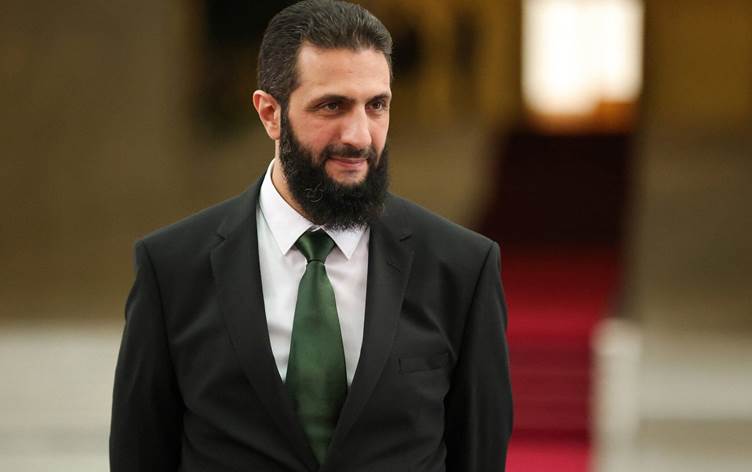
Decision No. 62 of 2025, published in the Official Gazette, confirms Al-Sharaa’s full legal name: Ahmed Hussein Al-Sharaa. Furthermore, it lists his Syrian nationality and birthdate: October 29, 1982. As a result, the committee reaffirmed that his assets in Iraq remain frozen since 2019.
Moreover, the revision follows Al-Sharaa’s rise from leading Hayat Tahrir al-Sham (HTS) to becoming Syria’s transitional president. The transition was later approved by parliament.
Al-Sharaa’s rise caused controversy in Baghdad. Legal analysts noted unresolved Iraqi arrest warrants linked to his former identity as Abu Mohammad Al-Julani. Additionally, they cited his role in insurgent attacks after the 2003 US invasion.
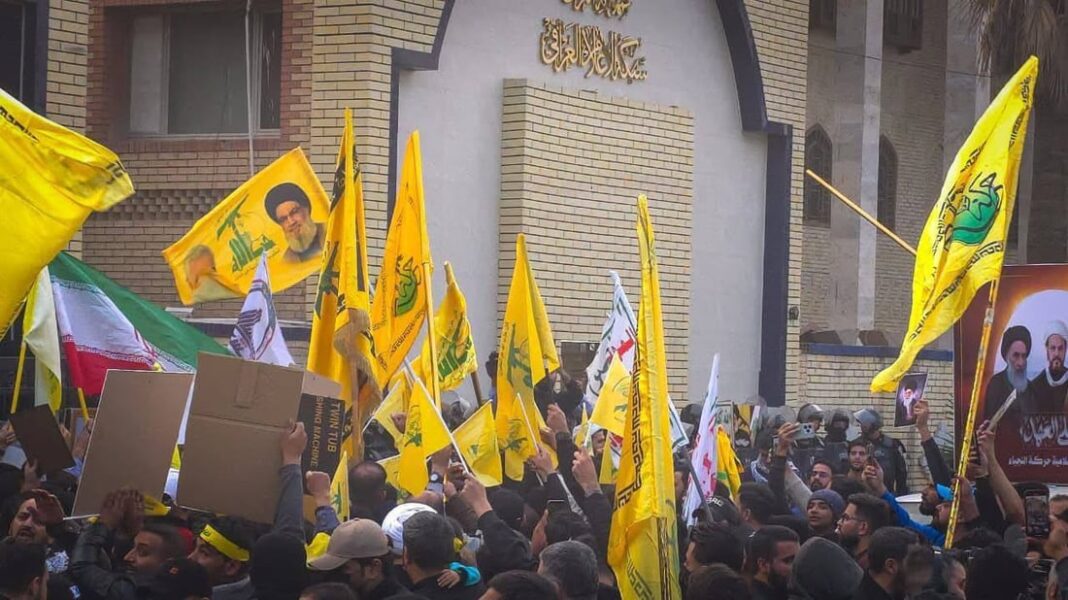
Tensions rose after the Iraqi government invited Al-Sharaa to an Arab summit in Baghdad. Shiite factions criticized the invitation, saying it dishonors victims of past violence. However, some factions support pragmatic engagement with Syria’s new leadership.
The Supreme Judicial Council dismissed online documents claiming new warrants as forgeries. Nevertheless, it did not clarify the status of the original arrest order.
Meanwhile, the United States delisted HTS in mid-2025. Secretary of State Marco Rubio lifted the group’s terrorist designation. He also removed the $10 million bounty for information on Al-Sharaa. However, the U.S. kept limited financial sanctions to restrict access to resources.
Finally, the Iraq Terror Sanctions Update shows Baghdad’s efforts to align domestic law with international security standards. It also highlights the delicate balance between legal accountability, diplomacy, and regional security.
The update has sparked debate among Iraq’s political and security circles. Some officials argue that recognizing Al-Sharaa’s new identity could improve regional relations. Others warn it may inflame tensions with groups affected by his past activities. Consequently, Baghdad faces pressure to carefully manage both legal and diplomatic consequences.