
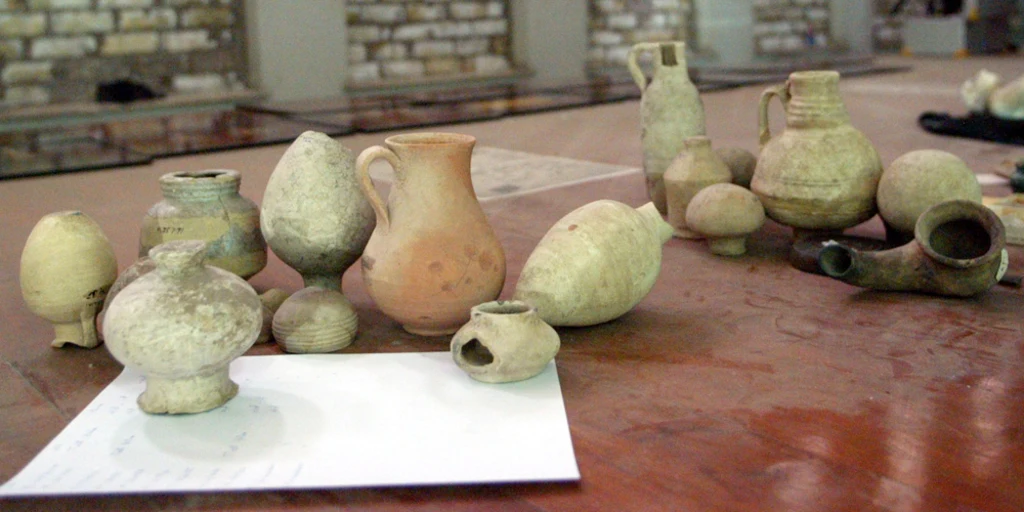
Iraq has launched a major campaign to recover more than 100,000 artifacts that illegal excavators unearthed and smugglers later transported abroad, as Baghdad steps up efforts to protect Iraq’s stolen heritage. The initiative combines diplomatic efforts, security coordination, and international legal action to bring valuable Mesopotamian treasures back home.
The Ministry of Culture, Tourism, and Antiquities has placed the recovery of looted artifacts among its key priorities. Officials say the campaign will focus particularly on objects that authorities had formally documented before thieves removed them from museums or archaeological sites. Many of those thefts occurred during the instability that followed the 2003 US-led invasion.
However, the recovery effort faces a more complicated challenge when it comes to artifacts that authorities never officially recorded. Illegal excavators removed many of these objects from archaeological sites without documentation. As a result, Iraqi authorities often struggle to prove their origin, establish ownership, and track their movement across international borders.
Accordingly, the government has created a joint task force to strengthen the recovery campaign. The team brings together the Ministry of Foreign Affairs, Ministry of Interior, National Intelligence Service, and National Security Service. Together, these institutions aim to improve information sharing and coordinate investigations involving artifacts that leave Iraq illegally.
Furthermore, Iraqi security agencies are working closely with diplomatic missions overseas. Officials are monitoring auctions and other international markets where Iraqi antiquities could appear for sale. When authorities identify suspected artifacts, they can pursue legal and diplomatic channels to establish their Iraqi origin and seek their return.
International cooperation also remains an important part of the campaign. Iraq has already received assistance from several countries that helped return thousands of cultural objects. Nevertheless, Iraqi officials say some governments and foreign entities have delayed the repatriation of artifacts linked to Iraq.
Meanwhile, Baghdad plans to strengthen its legal response against individuals and companies that retain Iraqi antiquities unlawfully. Officials can pursue cases through international legal mechanisms when evidence supports Iraq’s ownership claims.
The campaign therefore represents a broader attempt to protect Iraq’s stolen heritage while restoring important pieces of the country’s ancient history. Mesopotamia remains home to some of the world’s earliest civilizations, making its archaeological treasures particularly significant.
Ultimately, Iraqi authorities hope stronger cooperation between security agencies, diplomats, and international partners will improve the chances of recovering missing artifacts. The government also wants to prevent further trafficking and ensure that Iraq’s cultural treasures remain protected for future generations. The effort to reclaim Iraq’s stolen heritagehighlights Baghdad’s growing focus on preserving the country’s archaeological identity.