
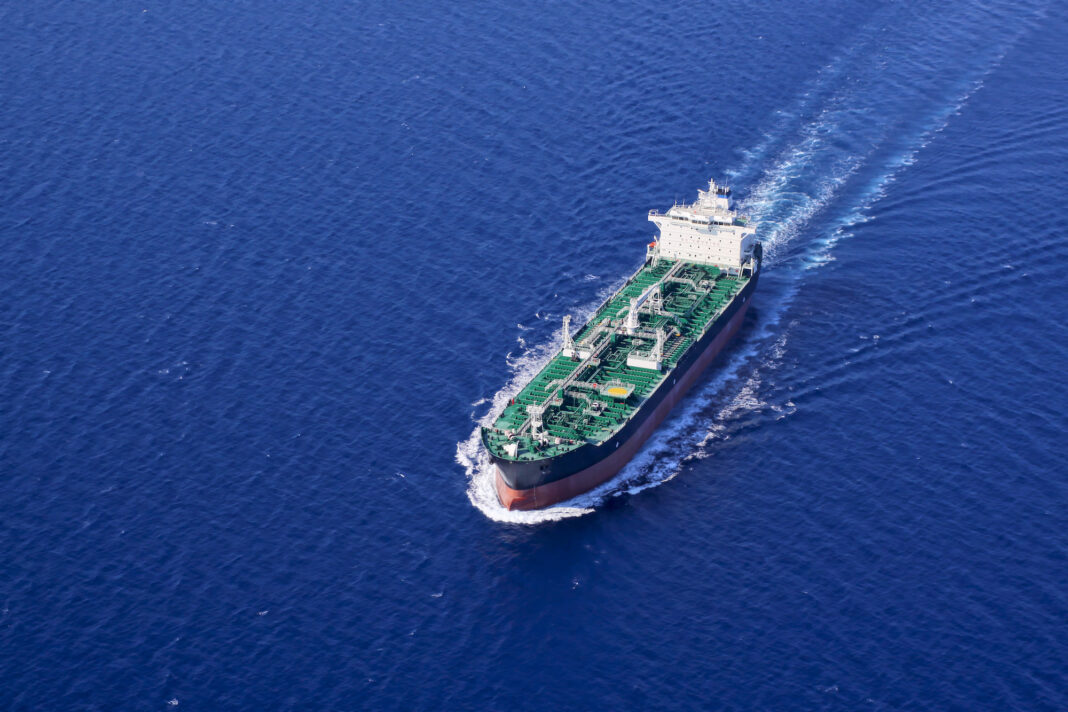
Gulf tanker attacks have raised alarm as Iraq warns of potential economic fallout for millions. Meanwhile, the Ministry of Oil emphasized the urgent need to protect maritime routes and energy infrastructure from regional conflicts.
Officials said recent attacks on oil tankers near Basra, inside Iraqi territorial waters, pose serious risks to civilians and global energy supplies. In addition, the ministry described the incidents as a troubling sign of escalating regional tensions.
The attacks targeted the Marshall Islands-flagged tanker SAFESEA VISHNU and the Maltese-flagged ZEFYROS. Fires broke out aboard both vessels, forcing emergency crews to intervene immediately. Fortunately, firefighters extinguished the flames, while rescue teams continued searching for missing crew members.
Authorities confirmed that one person died and several others sustained injuries during the incident. Preliminary investigations indicate that an explosive-laden boat likely caused the attacks. Therefore, security sources stressed that these acts could destabilize maritime commerce.
The Iraqi Ministry of Oil warned that continued Gulf tanker attacks could disrupt international energy shipments, creating ripple effects for global markets. Analysts noted that such disruptions may increase oil prices and impact energy-dependent industries worldwide.
Experts explained that the Gulf serves as a critical transit corridor, handling a significant portion of the world’s crude exports. Even short-term interruptions, they added, can create major economic consequences for millions of people reliant on stable energy flows.
Furthermore, the ministry urged all regional actors to respect maritime safety and international shipping norms. Officials emphasized that protecting civilian lives, ports, and energy infrastructure remains a shared responsibility for Gulf nations and the global community.
Analysts predict that ongoing instability in Gulf waters could lead to increased insurance costs for shipping companies. Additionally, they warned that delays in crude deliveries may raise energy prices for consumers. As a result, prolonged attacks could trigger further diplomatic tensions among neighboring states.
In conclusion, Gulf tanker attacks have highlighted the vulnerability of maritime energy routes. Consequently, Iraq’s warning underscores the importance of protecting shipping lanes and maintaining stability in a region vital to global energy and economic security.