
U.S. Iraq Diplomacy entered a new stage this week as Mark Savaya, the special envoy of U.S. President Donald Trump, announced his intention to travel to Iraq soon. He aims to meet senior Iraqi leaders and address Washington’s growing concerns over the political climate following the November 11 parliamentary elections. U.S. Iraq Diplomacy now stands at the center of discussions between American and Iraqi officials.
Savaya confirmed his upcoming visit in a social media post. He said he looks forward to meeting Iraq’s key political figures. He added that Iraq achieved significant progress during the last three years. Moreover, he expressed hope that Iraq will continue this progress in the coming months.
Savaya also outlined Washington’s firm stance regarding Iraq’s internal political process. He stressed that the United States rejects any outside interference in the formation of Iraq’s next government. He repeated this message several times to underline Washington’s intention to protect Iraqi sovereignty.
Furthermore, Savaya said the United States closely follows the government formation process. He emphasized that Washington wants a transparent and stable political transition. He also signaled continued backing for Iraq’s reform efforts and national stability.
After the election, Savaya congratulated the Iraqi people on completing the parliamentary vote. He described the election as a vital step toward a stronger democratic path. He argued that Iraq benefits when its institutions function independently. Additionally, he said the United States supports Iraq’s attempts to limit militia influence and block foreign interference.
Iraq’s Independent High Electoral Commission recently released the final results of the 2025 elections. The commission confirmed turnout at more than 56 percent. It also published the distribution of all 329 parliamentary seats across the country’s 18 governorates. These results reshaped political alliances and intensified negotiations over the next government.
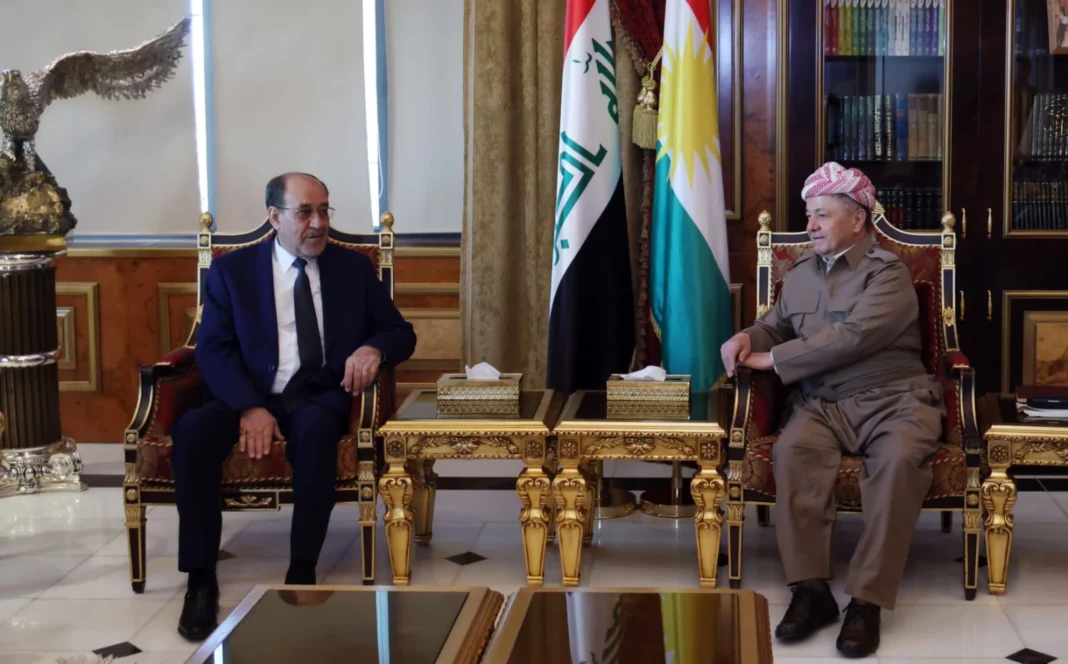
Political leaders now hold frequent meetings in Baghdad and Erbil. Each side seeks a stronger position in the upcoming cabinet. Many parties push for greater influence, while others call for balanced power-sharing. These discussions show how Iraq’s next phase will shape the country’s stability.
Meanwhile, U.S. Iraq Diplomacy continues to pressure all actors to respect Iraq’s institutional process. Washington hopes Iraqi leaders choose cooperation over confrontation. It also encourages faster progress to avoid political uncertainty.
As Iraq moves forward, regional tensions remain high. However, American officials believe consistent communication can guide Iraq toward a more stable future. Savaya’s expected visit highlights Washington’s desire to support that goal and maintain strong relations with Baghdad.