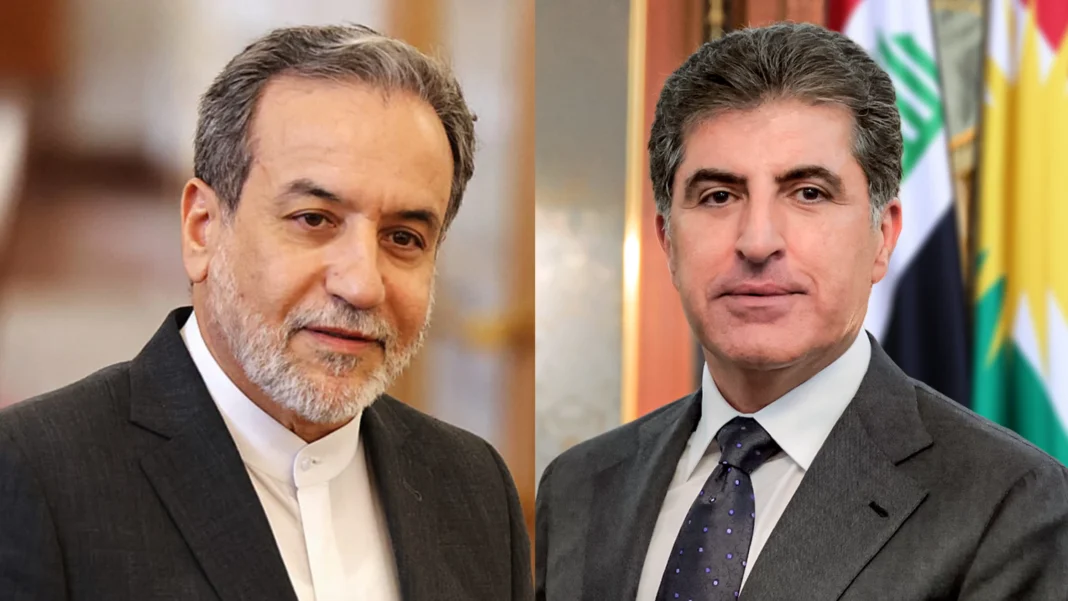
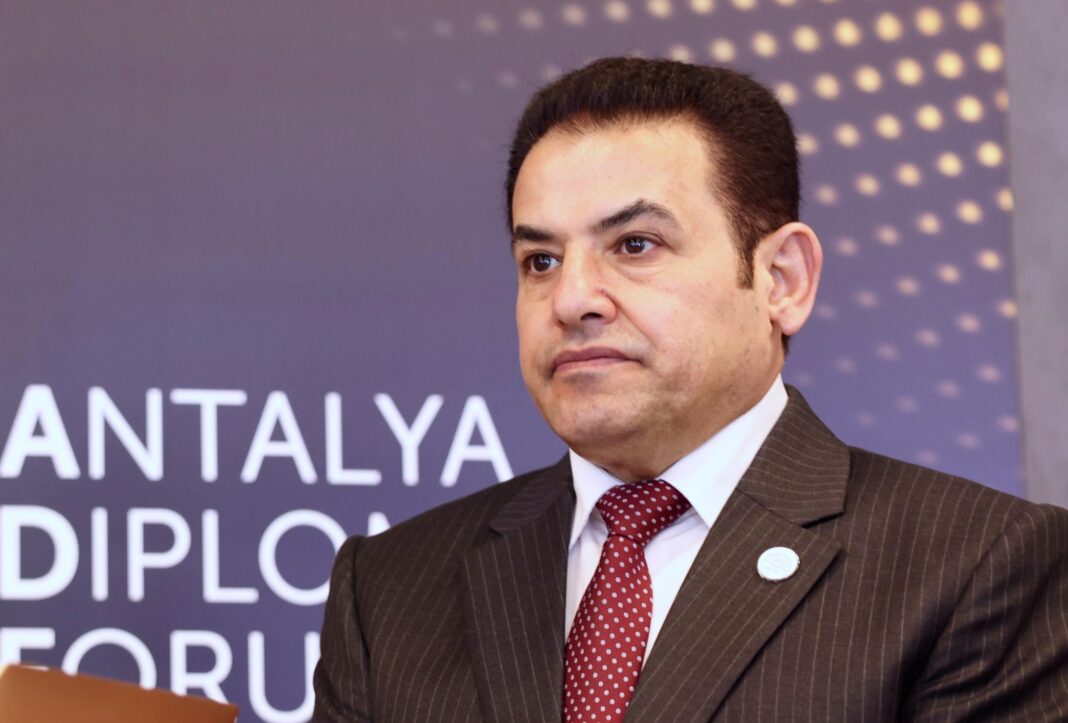
Border security coordination remains a top priority for Iraq and Iran. Border security coordination shaped a key phone call on Wednesday between Qasim al-Araji and Ali Bagheri. During the conversation, Araji confirmed that the Kurdistan Region’s Interior Ministry sent Peshmerga reinforcements to the border with Iran. He said the move supports stability and prevents infiltration.
Araji and Bagheri reviewed the latest regional developments. They focused on rising tensions and cross-border risks. They also examined how recent military activity could affect Iraq’s security landscape. Moreover, they stressed the need for direct communication during sensitive moments.
According to an official statement, Araji outlined steps taken by Iraqi authorities. He explained that security forces increased patrols along key border areas. He added that Peshmerga units strengthened their presence in coordination with federal forces. Furthermore, he said these actions align with existing agreements between Baghdad and Tehran.
Bagheri presented Iran’s position during the call. He stated that Iran informed Gulf states about the scope of its military operations. He stressed that Iranian forces have not targeted embassies, hospitals, oil fields, or civilian facilities. Instead, he said strikes have focused solely on United States military bases. He emphasized that Iran seeks to avoid civilian harm.
In addition, Bagheri requested stronger Iraqi measures along the shared frontier. He urged Iraq to prevent opposition groups from crossing into Iranian territory. He referenced the bilateral security agreement signed between Iraq and Iran. Bagheri argued that both sides must honor that framework to reduce tension.
Border security coordination remains central to these efforts. Iraqi officials believe reinforced positions can deter armed infiltration. They also argue that cooperation reduces misunderstandings between neighboring states. Therefore, leaders continue to rely on direct channels to address concerns quickly.
Araji reaffirmed Iraq’s commitment to regional stability. He said Iraq rejects any use of its territory to threaten neighboring countries. He also highlighted the importance of sovereignty and balanced diplomacy. Meanwhile, he called for restraint from all parties involved in regional disputes.
The discussion reflected broader regional anxieties. Military exchanges have increased pressure across the Middle East. However, Iraqi leaders aim to shield their territory from escalation. Border security coordination supports that strategy and reinforces preventive measures.
Both officials agreed to maintain contact in the coming days. They signaled readiness to exchange updates as events unfold. Border security coordination will remain a shared objective as tensions evolve. Iraqi authorities say they will continue monitoring developments closely.