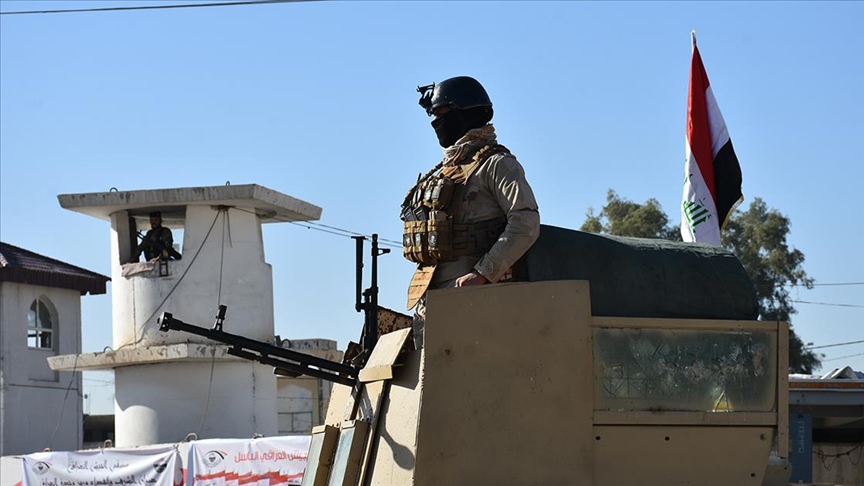
Ongoing instability in Sinjar is preventing thousands of displaced families from returning, according to local officials. The presence of armed groups in Sinjar, including the Kurdistan Workers’ Party (PKK), remains a major obstacle.
Mohammed Ahrees, a member of the Nineveh Provincial Council, blamed armed factions and an unelected administration for the current crisis. He said appointed officials have taken control of Sinjar and pushed out any legitimate local government.
Because of this vacuum, several militant groups, especially the PKK, have maintained a strong presence in the area. This has blocked reconstruction efforts and discouraged families from returning.
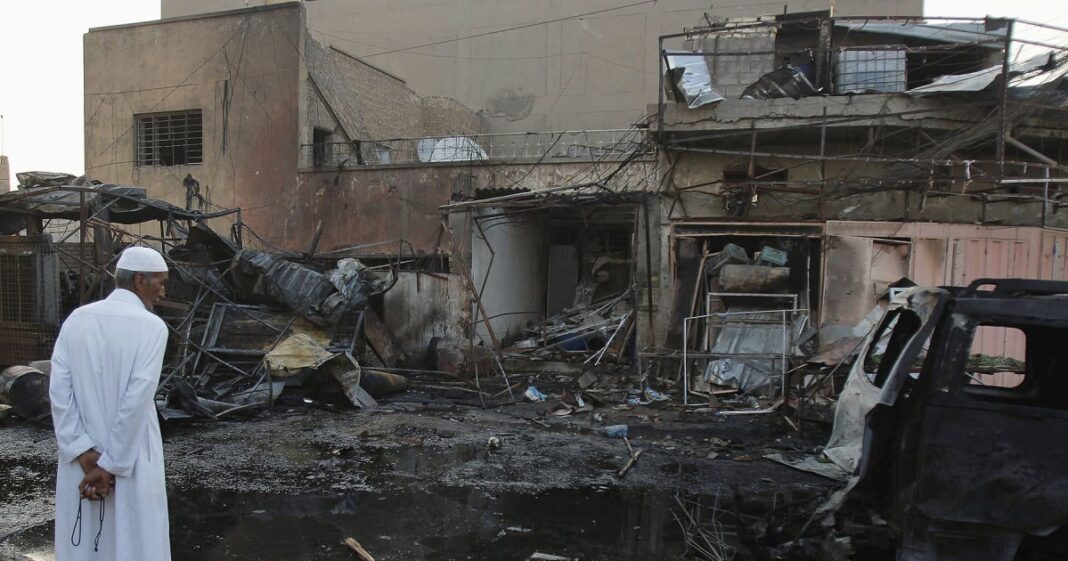
According to Ahrees, many vital services have collapsed. Schools remain closed, medical facilities barely function, and basic infrastructure lies in ruins. Even municipal services like waste removal and clean water distribution have failed to resume properly.
“About 75 percent of Sinjar’s Arab residents still live in displacement,” Ahrees said. “Most remain in Mosul or in camps across the Kurdistan Region.”
He also pointed out that Yazidi return rates have remained extremely low. Fewer than 10 percent of displaced Yazidis have come back to their homes.
The situation worsened due to the federal government’s failure to enforce the 2020 Sinjar Agreement. That deal aimed to normalize governance and security in the region. However, little progress has been made.
Earlier this month, Kurdish Prime Minister Masrour Barzani criticized Baghdad for ignoring the agreement’s terms. He called the federal government’s inaction a serious mistake.
Sinjar’s modern history has been shaped by violence. ISIS took control in 2014 and carried out mass killings. Kurdish forces retook the area in 2015. However, new tensions emerged after 2017, when federal forces moved in following the Kurdish independence referendum.
Since then, the PKK has built a stronghold through a local militia called the Sinjar Protection Units. This group receives government salaries under the Popular Mobilization Forces (PMF) structure.
Despite this, officials say the PKK’s role only complicates efforts to restore peace. Ahrees warned that armed groups in Sinjar must leave if displaced families are to return safely.
Without security and proper governance, armed groups in Sinjar will keep blocking stability and reconstruction for years to come.