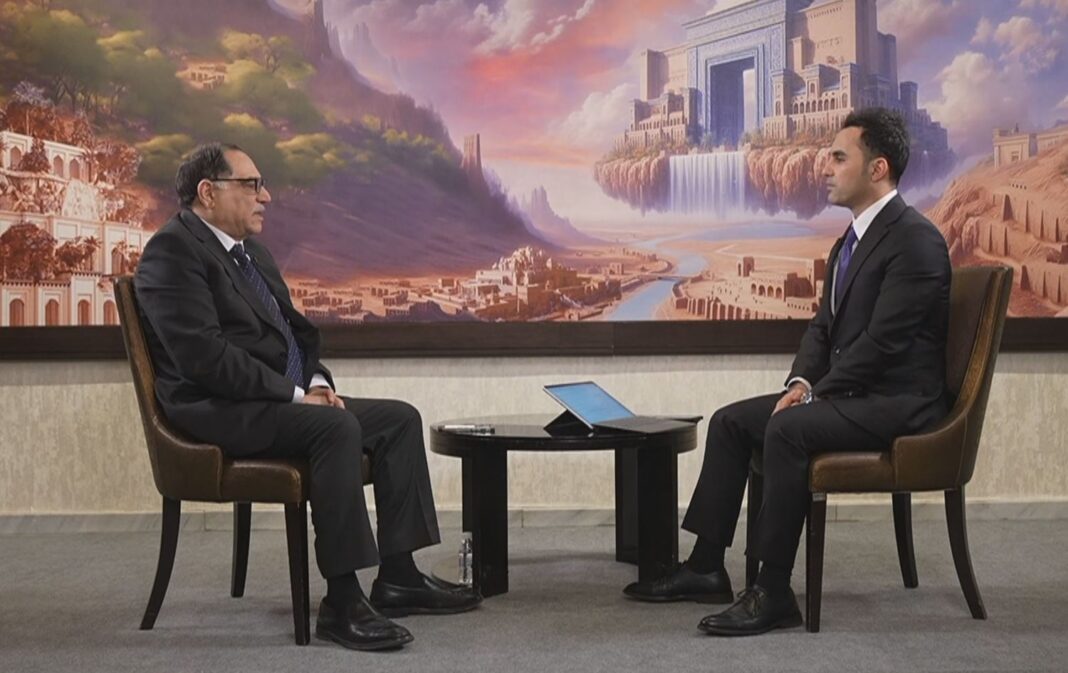
Falah Al-Amiri, advisor to the Iraqi Prime Minister Muhammad Shia’ al-Sudani on oil economy affairs, has warned that unexpected global events could push oil prices down to $60 per barrel. However, he emphasized that OPEC is unlikely to let prices fall below that unless there is another unforeseen crisis, like the one caused by the COVID-19 pandemic.
In his interview, Al-Amiri pointed out that if oil prices continue to fall while current production rates are maintained, OPEC member countries, which heavily rely on oil revenues to support their budgets, will face significant financial strain. He stressed that such price declines would affect the economic stability of those nations.
He also addressed Iraq’s oil production capacity, stating that the country can currently produce up to 5.5 million barrels per day and has the potential to increase this to 7.5 million barrels per day. However, he noted that achieving this would require substantial investment.
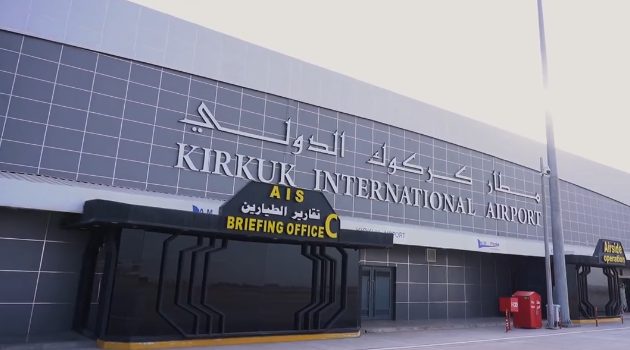
Regarding a recent deal between the Iraqi government and BP (British Petroleum), Al-Amiri explained that this agreement was vital for revitalizing the Kirkuk oil fields, which had been suffering from neglect and maintenance issues. He highlighted that production in these fields had fallen dramatically from 1 million barrels per day to around 400,000 or less. BP was chosen for its extensive knowledge and expertise in managing these fields.
In the interview, Al-Amiri also discussed global oil price trends, particularly in light of Donald Trump’s return to politics and his calls for OPEC to reduce oil prices. He explained that various factors, including U.S. energy policy, OPEC’s decisions, and the fundamental principles of supply and demand, all influence oil prices. Al-Amiri noted that Trump’s economic approach aims to stimulate the U.S. economy by increasing domestic production and reducing oil imports. Trump’s policies, if successful, would result in a global price range of $55 to $60 per barrel, which would be favorable for the U.S. energy sector. However, Al-Amiri warned that such a price range might make it difficult to sustain the production of higher-cost U.S. shale oil.
Al-Amiri further explained that for Iraq’s economy, a price range between $50 and $60 per barrel would pose a challenge, as the country depends heavily on oil revenues to fund its national budget. He also noted that if oil prices fall further, it could lead to imbalances in the market, with supply potentially outpacing demand. This would cause oil prices to drop even more.
Regarding Iraq’s future production plans, Al-Amiri mentioned that Iraq has set a target of increasing production to 7 million barrels per day in the coming years. However, he expressed skepticism about whether this goal would be achieved, given the unpredictable nature of global oil prices and the complex international political environment. Al-Amiri explained that the global economy has become divided into two major blocs—one led by the U.S. and Europe and the other by Russia, China, and India—which has created instability in global trade and oil markets.
Finally, when asked about the recent contract with BP, Al-Amiri explained that it was a necessary step to save the Kirkuk oil fields. He stressed that the fields had been in poor condition, with production steadily declining over the years. BP’s experience with these fields made them the ideal partner for the project, and the goal was to increase production to around 600,000 to 650,000 barrels per day, though this target had shifted over time.
In conclusion, while Iraq has plans to increase oil production in the future, Al-Amiri cautioned that achieving this goal is contingent upon both internal stability and global market conditions. The country’s oil sector faces significant challenges, especially with fluctuating oil prices, the need for investment, and the shifting dynamics of the global economy.