
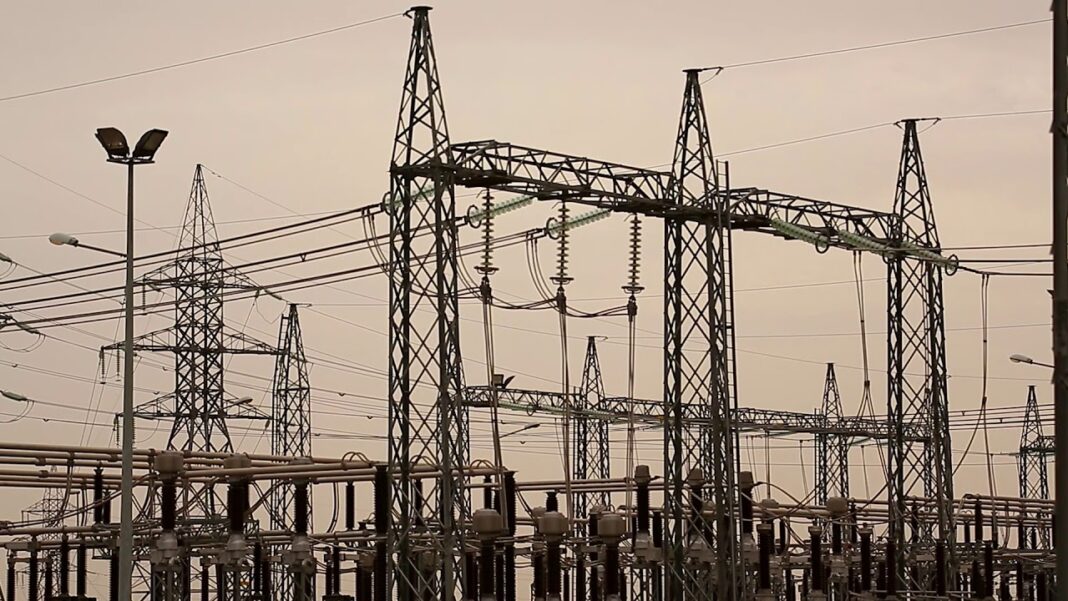
Iraq has started purchasing electricity from the Kurdistan Region in a move aimed at improving power supplies across several provinces. The development marks a new chapter in energy cooperation and highlights the growing role of Kurdistan’s electricity exports in supporting the national grid.
Government sources confirmed that the electricity purchase agreement has officially taken effect. Furthermore, officials indicated that supply volumes could increase depending on demand levels in different parts of the country.
Meanwhile, Kirkuk has already begun receiving electricity from the Kurdistan Region. Local electricity officials stated that power from Erbil and Sulaimani has been integrated into Iraq’s national grid and continues to meet daily consumption needs.
According to local authorities, Kirkuk has received 400 megawatts of electricity for more than a week. Erbil supplies 200 megawatts, while Sulaimani provides the remaining 200 megawatts. As a result, electricity availability has improved significantly across the province.
Officials reported that residents now receive national electricity for up to 20 hours each day. Consequently, many households have experienced more stable service during a period of rising energy demand.
At the same time, the Kurdistan Region continues expanding its efforts to provide uninterrupted electricity through the Runaki project. The initiative aims to modernize the energy sector and deliver around-the-clock electricity to residents.
Project officials stated that approximately 90 percent of subscribers already receive 24-hour electricity. Additionally, authorities expect to extend full coverage to all remaining areas before the end of the summer.
The project represents one of the largest energy reforms in the Kurdistan Region in recent years. Therefore, officials view it as a major step toward long-term energy stability.
In addition to improving service reliability, authorities say the project has reduced costs for many households. Officials explained that most low-income families now spend less on electricity than before. Previously, many residents paid separate costs for government electricity and private generators.
As the project expands, Kurdistan electricity exports continue to support neighboring provinces while maintaining local supply levels. This balance has strengthened confidence in the Region’s energy infrastructure and production capacity.
Iraq continues to face significant electricity challenges despite ongoing investments. During peak summer and winter seasons, demand often exceeds available supply. Consequently, power shortages remain a major concern for many communities.
According to figures from Iraq’s electricity sector, the country typically generates between 20,000 and 25,000 megawatts of electricity. However, experts estimate that Iraq requires nearly 54,000 megawatts to ensure uninterrupted nationwide service.
To address this gap, authorities have launched several projects to increase production. Earlier this month, a Chinese state-owned company announced progress on multiple power plants under construction in Iraq.
Officials expect those facilities to begin operations this summer. Once completed, the projects should add more than 1,200 megawatts to the national grid. Therefore, they could help ease pressure during periods of high demand.
As Iraq works to strengthen its energy network, Kurdistan electricity exports are becoming an increasingly important source of support. With new generation projects advancing and regional cooperation expanding, officials hope to improve electricity access for millions of citizens across the country.