The Iraqi anti-corruption council began its work after a major government decision in Baghdad. The Prime Minister ordered its immediate formation during a high-level summit. The move aims to strengthen oversight and protect public funds across all institutions.
The announcement came during a specialized anti-corruption meeting on May 30, 2026. Officials described the initiative as a major step in reforming state financial systems. Moreover, leaders emphasized transparency as a central goal of the new policy.
The Iraqi anti-corruption council will serve as a central authority for financial monitoring. It will oversee government spending and investigate major cases of corruption. In addition, it will focus on recovering stolen state assets.
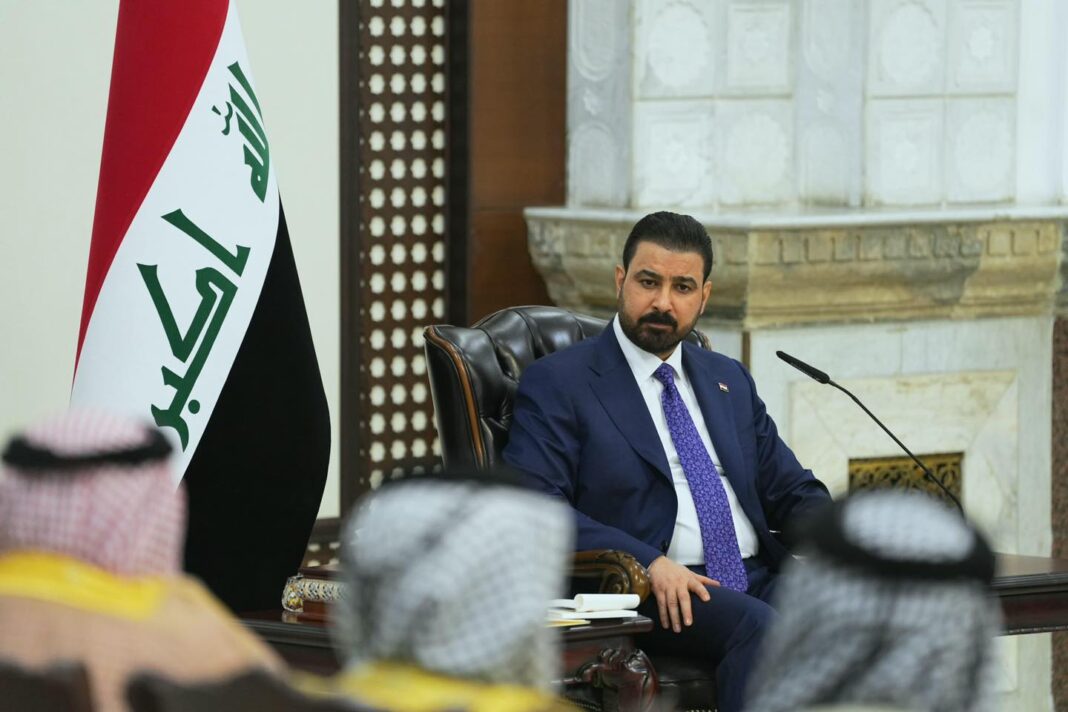
Prime Minister Ali Falih al-Zaidi led the summit in Baghdad. He also chaired discussions on public procurement oversight and financial auditing. Furthermore, he gathered senior judicial and oversight leaders for coordinated action.
Key institutions participated in the meeting. These included the Federal Board of Supreme Audit and the Integrity Commission. Additionally, senior judicial officials and public prosecutors joined the discussions.
The Iraqi anti-corruption council will operate with strong executive authority. The Prime Minister will directly lead the council’s structure. As a result, decision-making will remain centralized and highly coordinated.
In addition, the council will include top financial and investigative bodies. These institutions will bridge gaps between auditing processes and legal enforcement. Consequently, officials expect faster action against financial misconduct.
The council will examine all ministries and government institutions. It will also review provincial administrations and non-ministerial bodies. Therefore, its oversight scope will cover the entire public sector.
Moreover, the council will focus on major corruption cases with a high financial impact. Officials aim to stop wasteful spending and recover lost public assets. At the same time, they will ensure strict legal accountability.
The Iraqi anti-corruption council will also work closely with the judiciary. Investigations will move directly to the courts for prosecution. This process aims to strengthen legal enforcement and reduce delays.
In addition, the government introduced a preventive control system. This system will review contracts before signing. As a result, officials aim to stop corruption before it happens.
A permanent committee will manage this preventive mechanism. It will include representatives from key financial and oversight bodies. Furthermore, it will coordinate with the Ministry of Finance.
The committee will examine all government contracts in advance. It will verify budget compliance and legal approval. Therefore, officials expect stronger financial discipline across state projects.
The Iraqi anti-corruption council also reflects a broader reform agenda. Leaders want to rebuild trust in public institutions. Meanwhile, they continue pushing for stronger governance systems.
Finally, officials believe this initiative can reduce corruption risks. They also expect improved transparency in public spending. As a result, Iraq moves toward tighter financial control and stronger institutional accountability