Iraq’s new prime minister promised a broad reform program on Thursday after securing political support to form the next government. The new administration says it will focus on economic reform, anti-corruption measures, and national cooperation.
The Iraq reform agenda 2026 aims to address long-standing political and economic challenges across the country. Government officials say the program will also prioritize infrastructure development and public services.
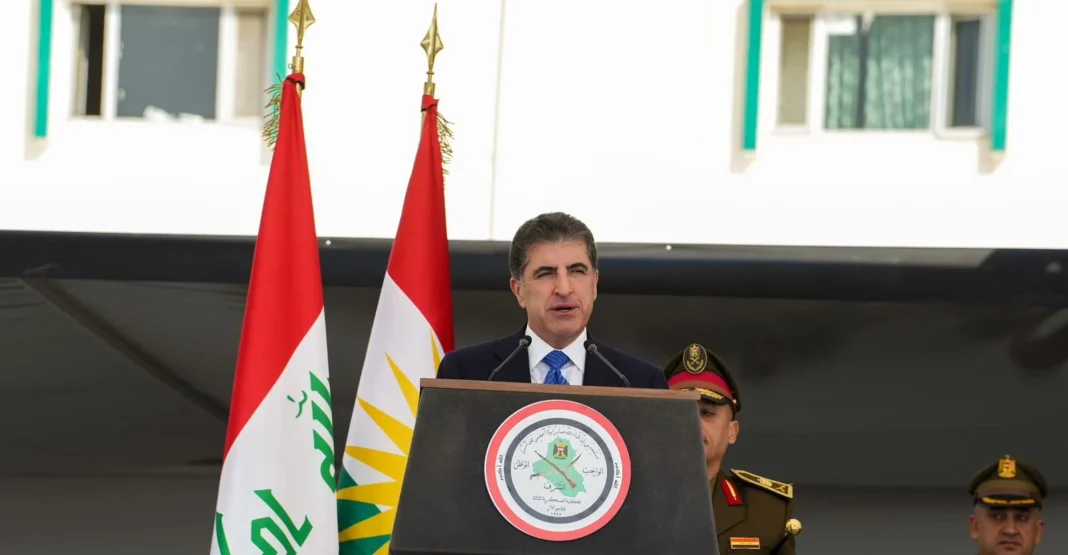
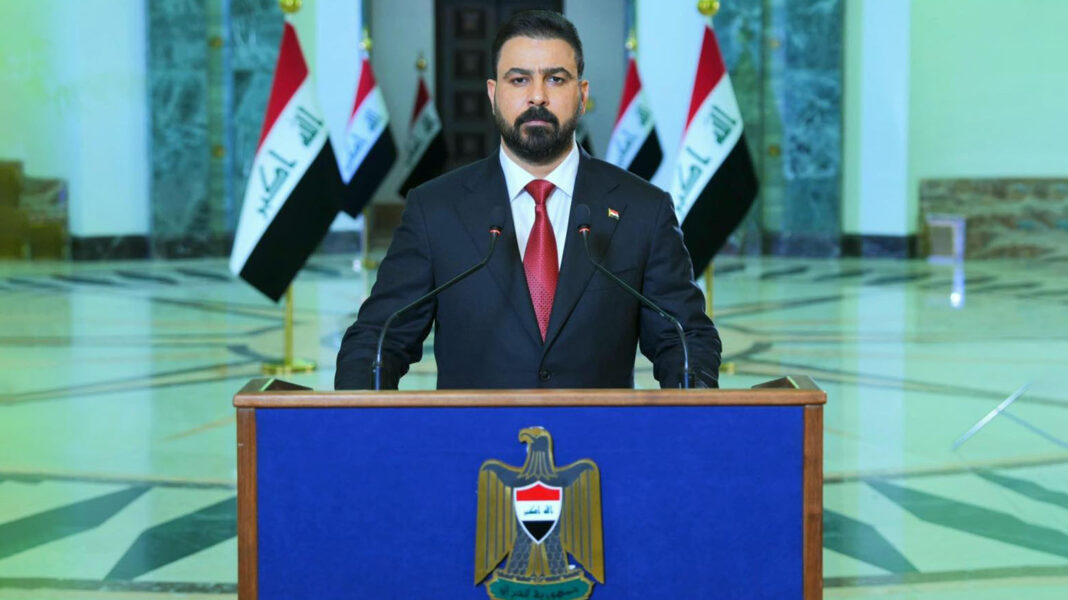
During his first remarks after taking office, the prime minister stressed the importance of what he called a “real national partnership.” He said the government would work with all political and social groups to strengthen stability and improve state institutions.
Additionally, he promised reforms targeting corruption inside government departments and public institutions. Corruption remains one of Iraq’s biggest political and economic challenges. Therefore, the new administration faces strong public pressure to deliver visible results.
The Iraq reform agenda 2026 also includes plans for large infrastructure projects. Officials said the government intends to improve roads, energy systems, transportation networks, and public facilities across several provinces.
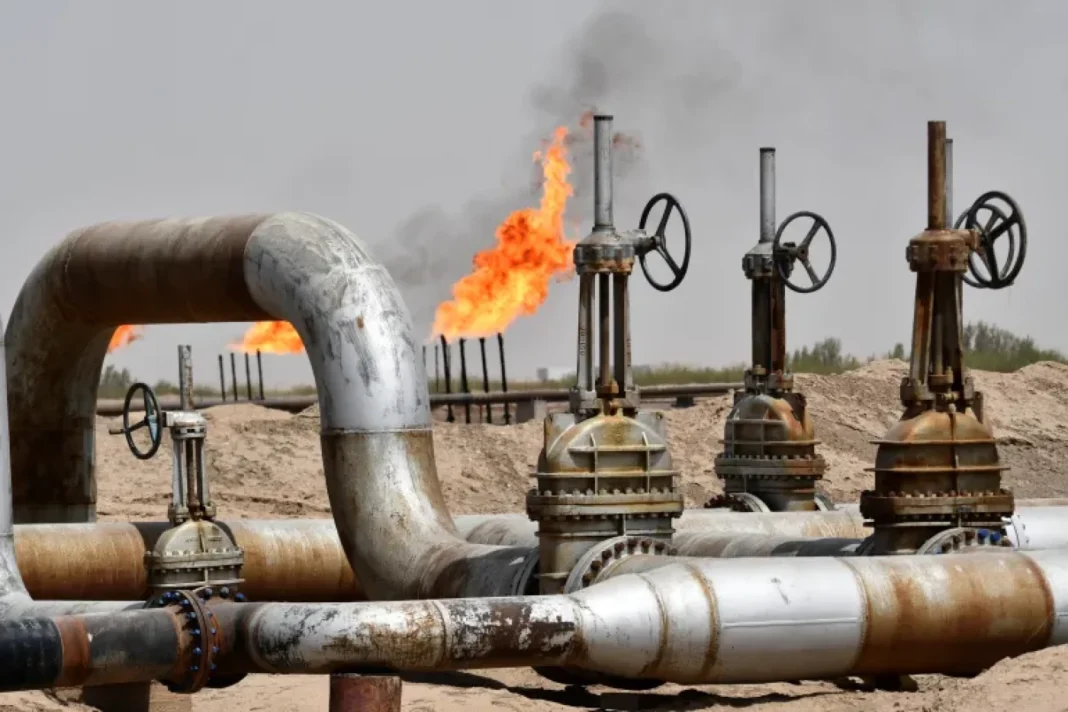
Economic reform stands at the center of the new government’s priorities. Iraq continues to face financial pressure despite strong oil revenues. As a result, leaders aim to diversify the economy and reduce dependence on oil exports.
The prime minister also emphasized job creation and investment opportunities. He said the government wants to support the private sector and attract both local and foreign investment.
Furthermore, the administration pledged to improve cooperation between Baghdad and the Kurdistan Region. Political disputes between both sides have often affected budget agreements, oil revenues, and governance issues.
The Iraq reform agenda 2026 arrives during a period of regional tension and domestic political uncertainty. Several political factions continue to negotiate over influence inside state institutions.
Despite these challenges, the new prime minister presented the reform plan as a national project rather than a partisan program. He called for cooperation between political blocs to support stability and long-term development.
Observers now wait to see whether the government can turn reform promises into concrete action. Many Iraqis continue to demand stronger services, economic opportunities, and greater accountability from political leaders.