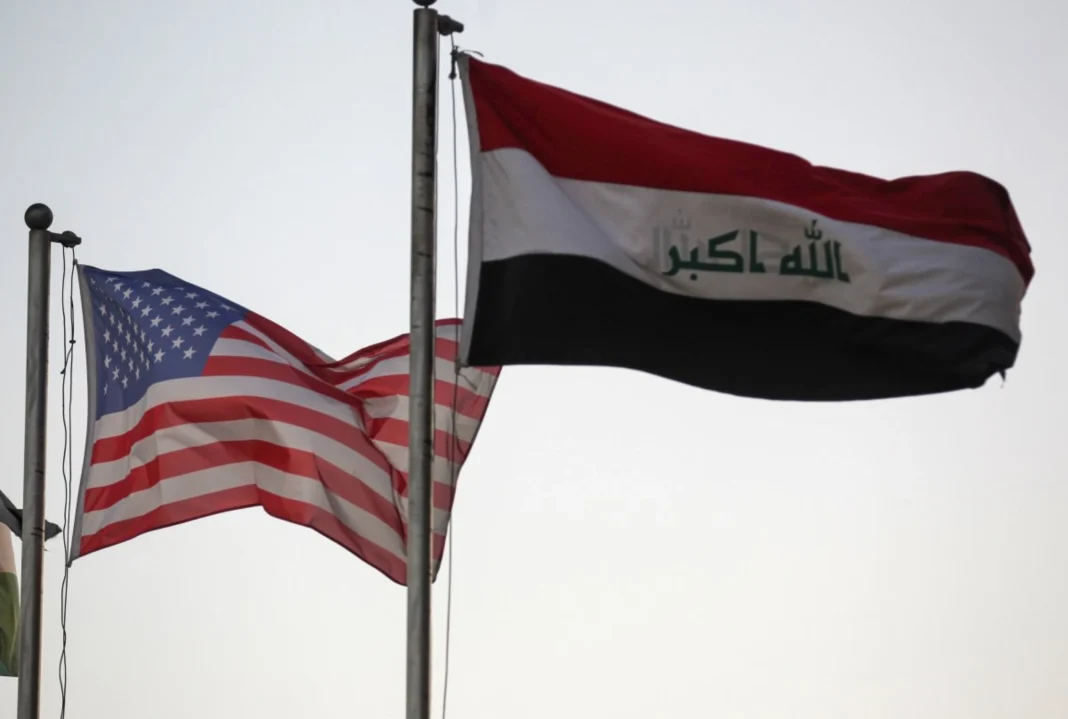
The Iraqi government formation entered a sensitive stage on Thursday as Washington issued a strong warning over the role of Iran-linked armed factions in Iraq’s next administration. The United States signaled that future relations will depend on how Baghdad handles armed groups inside state institutions.
The U.S. State Department spokesperson told a media outlet that Washington expects clear actions from Iraq’s incoming leadership. He stressed that statements alone will not be enough to shape future cooperation.
Furthermore, the spokesperson warned that Iran-backed militias must stay outside government institutions. He also said Iraqi state resources should not support armed groups operating outside official control.
Additionally, he added that Washington will adjust its approach to the new Iraqi government based on these developments. This position increases pressure on Prime Minister-designate Ali al-Zaidi as he works to finalize his cabinet.
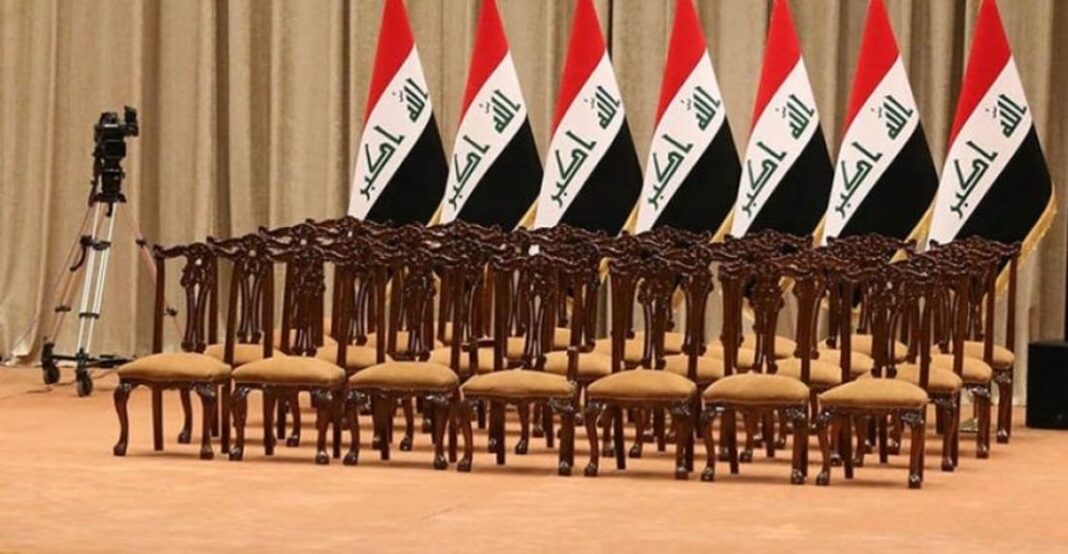
At the same time, Iraq government formation discussions continue in Baghdad ahead of a key parliamentary confidence vote. Political blocs still negotiate over cabinet positions and security-related ministries.
Ali al-Zaidi continues talks with major political factions. He aims to secure agreement on the remaining disputed ministries before presenting his final cabinet list to parliament.
However, disagreements over armed groups inside the political system remain unresolved. Several factions continue to debate whether armed wings should integrate into state structures or retain independent influence.
Political sources confirmed that these security disputes remain the most sensitive issue in the cabinet talks. Moreover, they said these disagreements could delay final approval if not resolved soon.
Meanwhile, the Sadiqoon Movement, the political wing of Asaib Ahl al-Haq, issued a new statement on Thursday. The group said it will decide on participating in the new government after further consultations.
Additionally, the movement emphasized discussions related to restricting weapons under state authority. It referred to guidance linked to Iraq’s religious leadership regarding armed groups.
These discussions directly affect the broader Iraqi government formation process. Security arrangements remain central to negotiations between major political blocs.
Furthermore, tensions inside the ruling Coordination Framework continue to shape cabinet talks. Some groups support integration into state institutions, while others demand conditions before disarmament.
At the same time, Washington continues to monitor developments closely. U.S. officials repeatedly stressed that Iraq must strengthen state control over all armed forces.
Meanwhile, Al-Zaidi works under time pressure to finalize his cabinet lineup. The Iraqi constitution requires him to present a complete government for parliamentary approval within a limited timeframe.
Political analysts say the outcome will define Iraq’s relationship with international partners. They also believe the cabinet structure will influence future stability inside the country.
As negotiations continue, Iraq government formation remains at the center of both domestic and international attention. The coming days will determine whether political leaders can reach a final agreement before the confidence vote.