Iraq’s oil crisis intensifies as disruptions in the Strait of Hormuz cut production and exports. The crisis now threatens revenue flows and economic stability. The Iraq oil crisis continues to evolve as regional conflict impacts critical shipping routes.
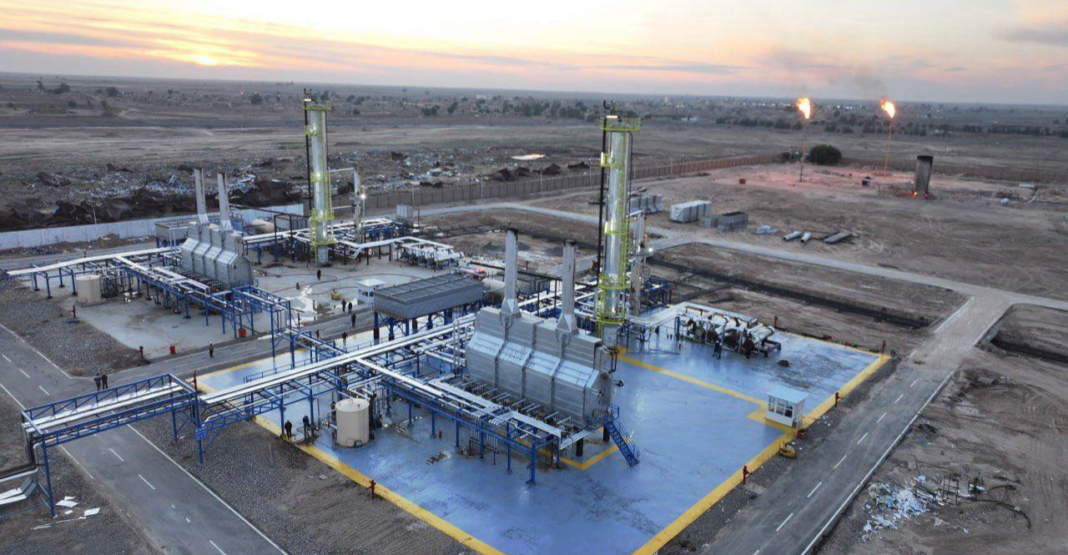
Iraq’s oil production has dropped sharply in recent weeks. Output fell from 4.3 million barrels per day to nearly 1.3 million. This decline reflects major disruptions in maritime traffic.
Moreover, exports have fallen below 800,000 barrels per day. Consequently, Iraq now faces daily losses estimated at $128 million. These losses place immediate pressure on public finances.
The Strait of Hormuz remains a vital route for global oil shipments. However, ongoing tensions have restricted tanker movement. As a result, supply chains continue to face serious challenges.
Despite these disruptions, officials stress that economic stability remains manageable. According to Mazhar Mohammed Salih, the government relies on two main strategies. These strategies aim to protect the economy and limit long-term damage.
First, the government continues to fund essential subsidies. These include food distribution programs and strategic reserves. In addition, authorities support agriculture, especially grain production.
Furthermore, the state maintains spending on fuel and healthcare services. These efforts help stabilize living conditions despite declining oil revenues. Therefore, officials expect a limited impact on food security in the medium term.
Second, Iraq benefits from strong foreign currency reserves. These reserves currently stand at around $100 billion. They provide a financial buffer against external shocks.
Moreover, these reserves can cover imports and external trade for over a year. Oil exports still supply the main source of hard currency. Therefore, the country maintains a degree of financial resilience.
In addition, monetary policy continues to manage liquidity carefully. Authorities aim to control inflation while ensuring access to foreign currency. This balance helps protect market stability.
Meanwhile, policymakers monitor global and regional developments closely. They recognize that prolonged disruptions could increase risks. However, current measures aim to contain economic fallout.
Ultimately, Iraq’s oil crisis highlights the country’s reliance on energy exports. The Iraq oil crisis also underscores the importance of diversification and stronger infrastructure. The Iraq oil crisis will likely shape future economic planning and policy decisions.