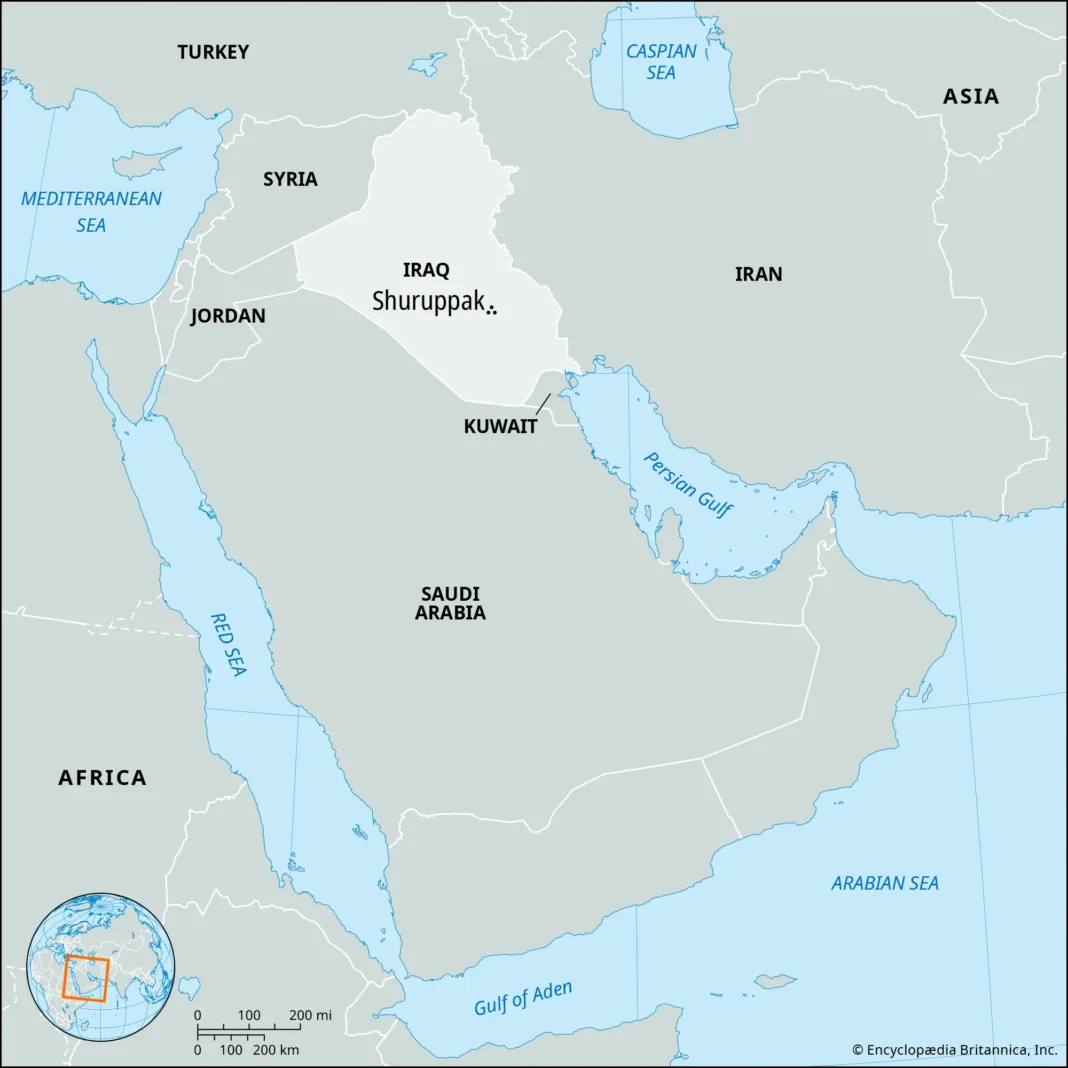
Iraq airspace closure extended for 72 more hours, affecting all flights across the country. The Iraqi Civil Aviation Authority (ICAA) announced the decision on Tuesday, March 31, 2026. Authorities cited rising security risks and regional instability as the primary reasons for the extension.
The measure bans incoming, outgoing, and transit flights across Iraq’s flight information region until at least 12:00 PM on Friday, April 3. International airlines and aviation partners received formal notifications to adjust flight schedules and global routes.
Officials emphasized that the ICAA monitors security conditions constantly. They will lift or modify the ban based on real-time assessments. Authorities promised to communicate updates quickly to keep travelers and cargo operators safe.
This decision follows multiple previous closures amid heightened regional tensions. Recent drone and missile attacks near major Iraqi cities and energy facilities raised alarms. Consequently, Baghdad, Erbil, Basra, and Najaf airports remain completely shut.
Thousands of passengers face cancellations, and cargo shipments encounter major delays. Airlines coordinate with global authorities to reroute flights and minimize disruptions efficiently.
Moreover, Iraq airspace closure extended highlights the government’s challenge of balancing national security with international aviation needs. Authorities remain vigilant as regional military activity continues, while civilian air traffic requires careful management.
Travelers should check with airlines for updated flight information. Cargo operators and diplomats must adjust schedules to comply with the restrictions. Meanwhile, ICAA teams monitor airspace activity and regional developments around the clock.
Analysts warn that prolonged airspace closures could hurt regional trade and diplomatic mobility. Still, officials insist that safety outweighs short-term economic and logistical impacts.
In summary, the Iraq airspace closure extended until April 3 shows the authorities’ determination to protect air travelers and infrastructure. Airlines, passengers, and cargo operators must adapt as the situation evolves. Officials promise timely updates as conditions change.