In the harsh chill of February, communities across the Kurdistan region of Iraq begin the Khidr Elias winter vigil, a sacred tradition rooted in faith and renewal. Despite freezing winds and quiet fields, Yazidis gather with steady resolve. The Khidr Elias winter vigil carries deep spiritual meaning. Moreover, it connects water, land, and collective memory. Each year, the Khidr Elias winter vigil reminds families that hope survives even the coldest season.
Across villages from Sinjar to Duhok, Yazidis observe three days of fasting. Meanwhile, the sacred valley of Lalish stands at the spiritual heart of the ritual. Worshippers describe the festival as both personal and communal. They fast from sunrise to sunset for three consecutive days. Many dedicate the fast to healing, marriage, or relief from hardship. Consequently, the ritual blends discipline with heartfelt prayer.
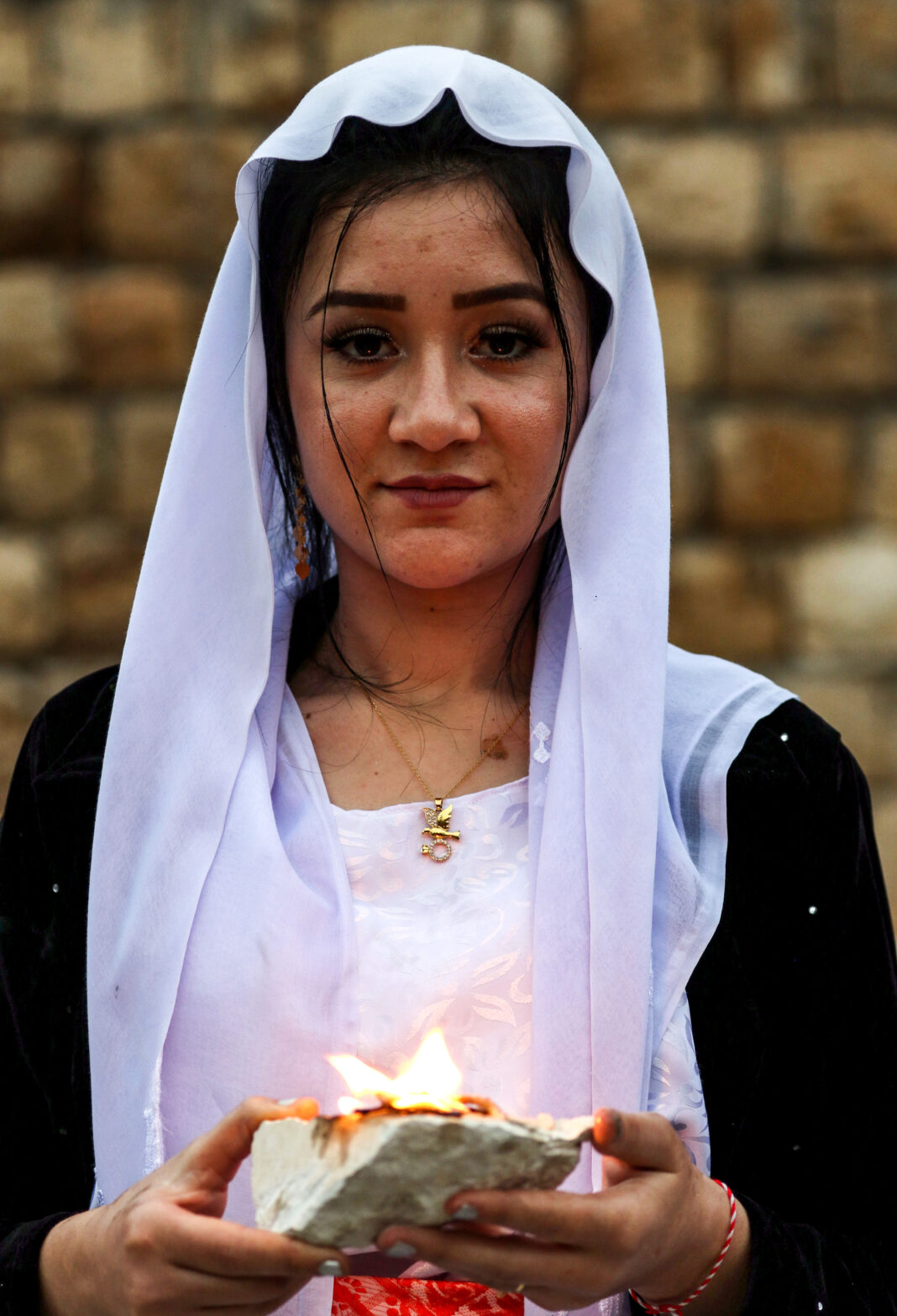
Families first embrace simplicity and reflection. They avoid excess and focus on spiritual intention. After sunset, they share modest meals together. Traditionally, they prepare a wheat-based dish symbolizing fertility and continuity. At the same time, children walk between homes singing folk songs. Their voices echo through quiet streets and courtyards. Later, families light candles in homes and shrines. These small flames represent supplication and hope during winter’s bleakest days.
Water plays a central role in the observance. Khidr Elias represents sustenance and seasonal rebirth in Yazidi belief. Therefore, many worshippers travel to Lalish during the festival. They visit sacred springs and wash their faces. This act symbolizes purification and renewal. In addition, it reflects a core principle of Yazidi theology. Human life must remain in harmony with nature and the changing seasons.
Iraq still hosts the largest Yazidi population in the world. Before 2014, estimates ranged between 500,000 and 600,000 people. However, the 2014 attack by Islamic State on Sinjar devastated the community. Thousands lost their lives during that assault. Militants enslaved women and children. As a result, many families fled abroad or remain displaced today.
Today, Yazidis mainly live in Sinjar and areas within the Kurdistan Region. Lalish continues to serve as their spiritual center and pilgrimage site. Smaller communities also live in northern Syria and southeastern Türkiye. Most Yazidis speak Kurmanji Kurdish in daily life. They practice an ancient monotheistic faith with distinct rituals and a hereditary clerical structure.
Since 2014, the festival has gained deeper meaning for survivors. Many families still live in camps or temporary housing. Reconstruction in Sinjar moves slowly amid political disputes. Nevertheless, families keep the tradition alive each year. They fast, pray, and light candles with determination. Through these acts, they assert resilience and continuity despite hardship.
The celebration remains quiet and intimate across northern Iraq. No grand parades fill the streets during the festival. Instead, devotion unfolds inside homes and beside sacred springs. Yet the message resonates powerfully among the faithful. Winter never lasts forever in these lands. Fields awaken when spring finally arrives. Water flows again through valleys and farms. A community that endured immense suffering stands firm, united by faith and memory.