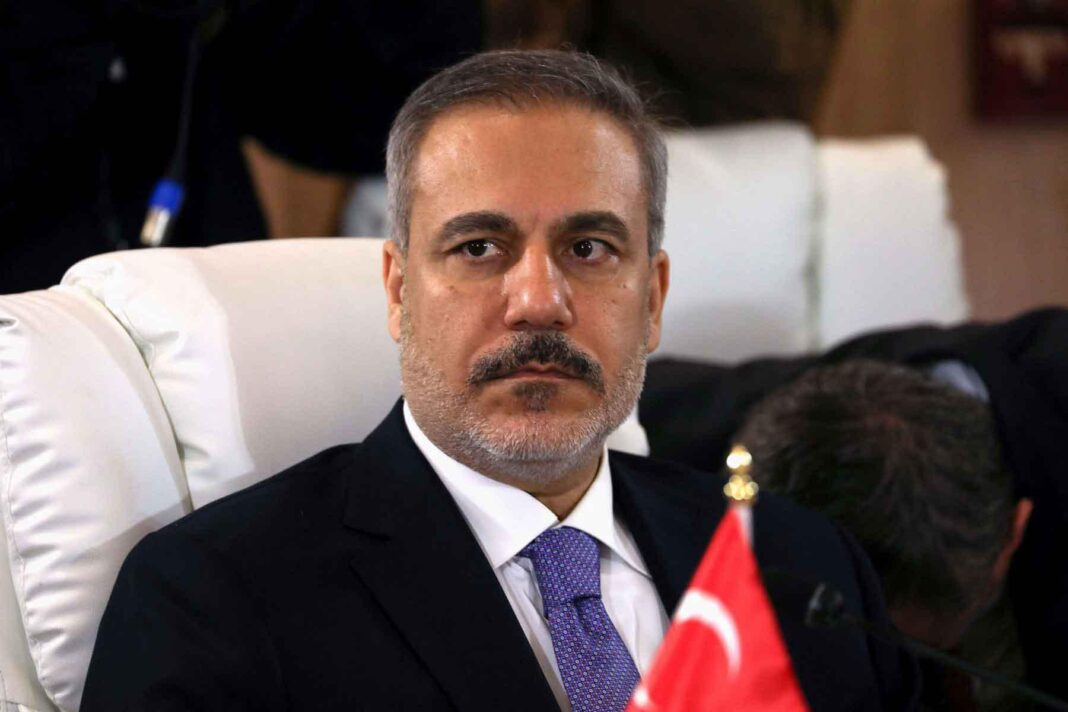
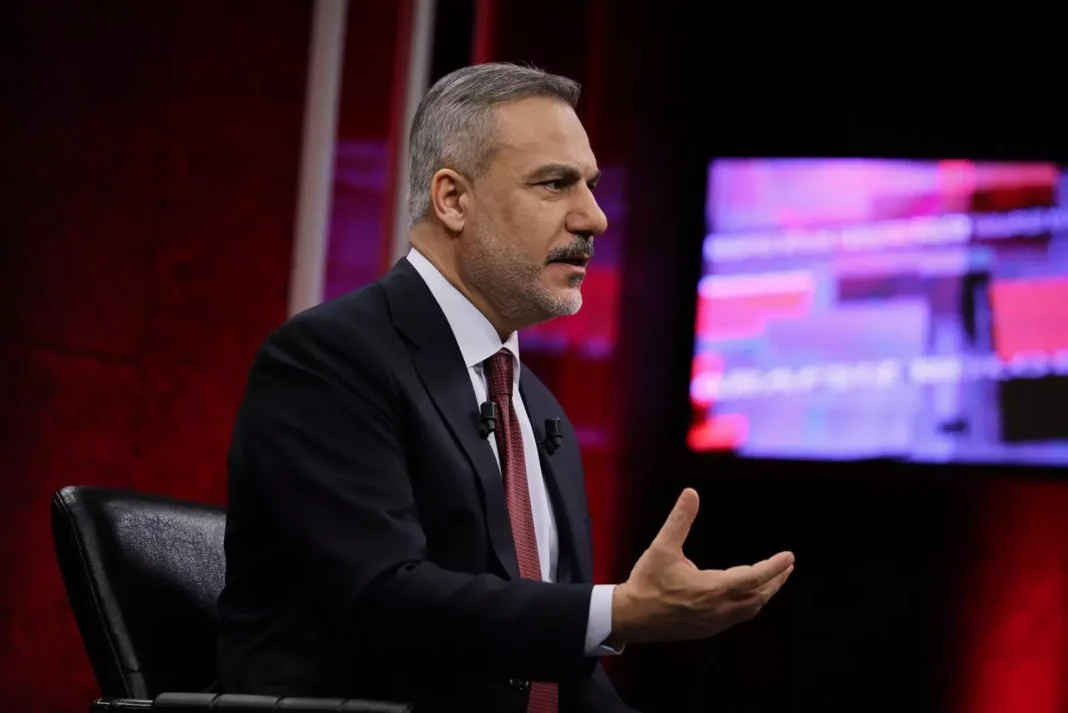
Turkish Foreign Minister Hakan Fidan has pushed a strong new message about the PKK presence in Iraq. He said the issue will soon dominate regional security discussions. Moreover, he stressed that Baghdad must take clear and decisive action. During a live interview with CNN Türk, he linked the shift to recent operational developments in Syria. As a result, he argued that strategic attention will now move toward Iraq.
Furthermore, Fidan called for stronger political will inside Iraq. He said officials have discussed the PKK problem for years without concrete steps. However, he noted that recent talks in Baghdad have become more practical. He pointed to ongoing dialogue under Prime Minister Mohammed Shia al-Sudani. He also questioned how any sovereign state could tolerate armed groups operating freely on its territory. In addition, he argued that the group holds significant ground in Iraqi areas, especially around Sinjar.
At the same time, Fidan described the security situation in military terms. He said Iraq has enough capacity to confront the group effectively. He highlighted that Iraqi Popular Mobilization Forces already surround Sinjar. Moreover, he revealed that he has held around twenty meetings with Hashd al-Shaabi leader Falih al-Fayyad. He emphasized that coordination could produce quick results. He added that joint ground and air operations could end the threat within days.
Meanwhile, he criticized Iraqi authorities for not treating the issue as a top national security concern. He argued that the PKK presence in Iraq creates long-term instability risks. He also warned that delays could allow the group to strengthen its positions further. Therefore, he urged immediate and practical cooperation between regional actors.
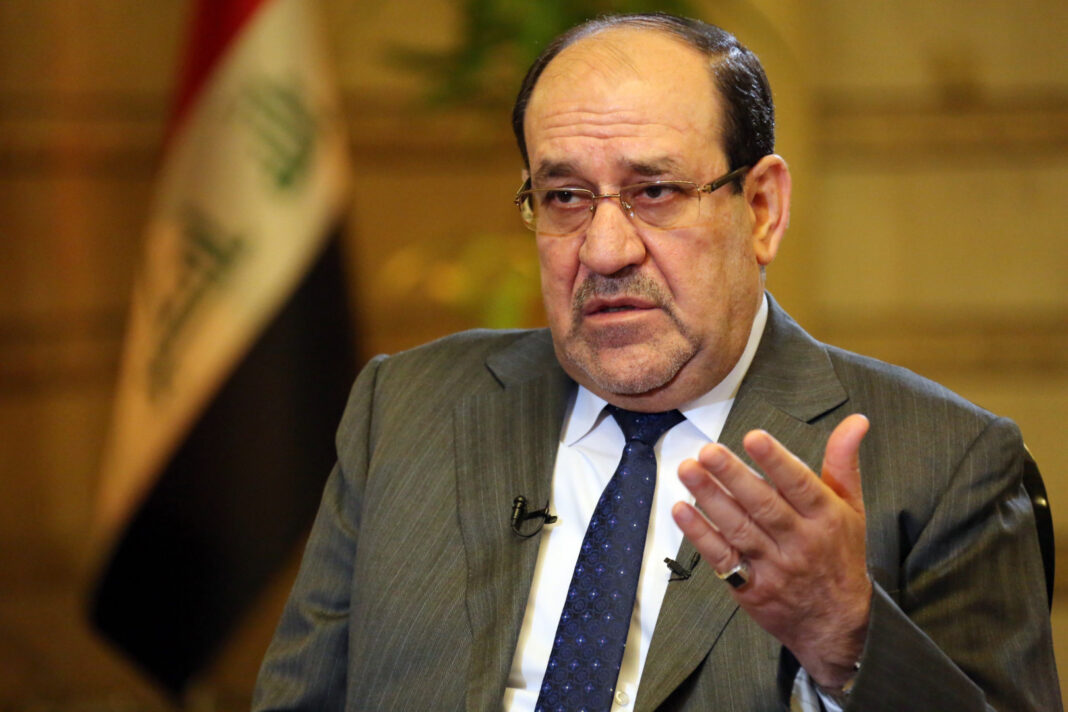
In addition, Fidan addressed broader political and economic dynamics. He said Türkiye does not favor any specific Iraqi political figure. However, he acknowledged concerns tied to former Prime Minister Nouri al-Maliki’s previous rule. He also noted that international factors still influence Iraq’s political landscape. For example, he pointed to continuing U.S. oversight of Iraqi oil revenues through a UN framework.
Finally, he stressed that economic leverage remains a powerful external tool. He said Iraq depends heavily on dollar transfers from abroad. Consequently, he argued that outside actors still hold strong influence over Iraqi stability. In this context, he concluded that resolving the PKK presence in Iraq would strengthen both national sovereignty and regional security.