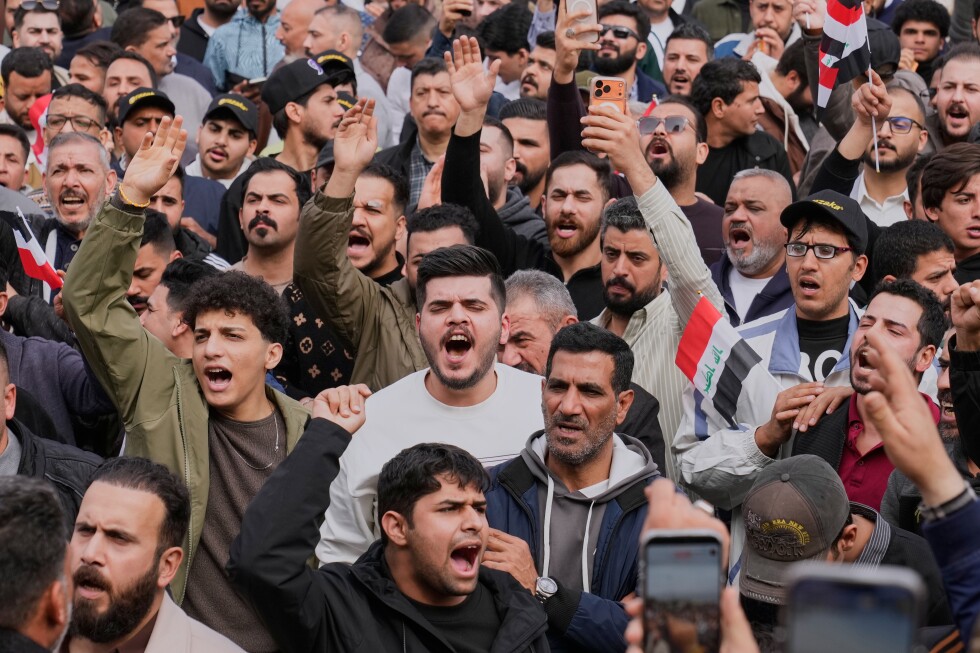
Iraq customs tariffs ignited widespread protests in central Baghdad on Sunday. Hundreds of traders and customs clearance company owners gathered outside the General Customs Directorate. They demanded that the government reverse the newly imposed fees, which they say sharply increase costs and disrupt trade.
The new tariffs came into effect on January 1. They are part of the government’s effort to reduce the national debt and reliance on oil revenues, which have fallen significantly. Iraq faces more than 90 trillion Iraqi dinars ($69 billion) in debt. Oil still accounts for roughly 90% of the state budget despite diversification efforts.
Traders argue the tariffs, which reach up to 30% for some goods, unfairly burden them. As a result, they have filed a lawsuit challenging the decision. Meanwhile, Iraq’s Federal Supreme Court is scheduled to rule on the matter Wednesday.
During the protests, demonstrators loudly chanted against corruption and the rising fees. Haider al-Safi, who owns a transport and customs clearance company, explained the financial strain. He noted that “we used to pay about 3 million dinars per container. Now, some containers cost up to 14 million. Infant milk fees rose from 495,000 dinars to nearly 3 million.”
Al-Safi also noted that the tariffs created a backlog at Umm Qasr port. Even electric vehicles, once exempt, now face a 15% duty.
Mohammed Samir, a wholesale trader from Baghdad, highlighted the broader impact. “The main victims are citizens with limited income,” he said. “Government employees, renters, and parents paying school fees will all feel the pressure.”
Protesters also accused influential groups of allowing goods to pass in exchange for unofficial payments. Many traders are now considering importing through the Kurdistan region, where fees are lower.
The demonstrations coincided with a nationwide strike. Shop owners closed markets and stores in several Baghdad districts to protest. In major commercial areas, shops displayed banners reading: “Customs fees are killing citizens.”
Iraq customs tariffs have already disrupted trade, strained businesses, and angered citizens. Officials say the measures aim to stabilize the economy, but traders insist they disproportionately affect the public.