
The local meat and chicken production process in Iraq still faces several challenges, according to the Ministry of Agriculture. The ministry revealed the latest recorded production numbers while calling for reforms to help Iraq reach self-sufficiency.
Officials confirmed that Iraq lacks accurate studies to measure total output of red meat, white meat, and table eggs. The absence of reliable data comes from the many unregulated slaughtering points and scattered production systems across the country.
Health Supervision Director Ziyad Ajeel Mohammed said multiple sources complicate the tracking of livestock slaughter. These include official slaughterhouses, street butchers, and unregulated slaughter during public events.
He also noted that imported meat products add another layer of confusion. The availability of both frozen and fresh imported chicken reduces clarity on how much Iraq actually produces on its own.
Based on official slaughterhouse reports, Iraq produced 64,376 tons of red meat. This included meat from sheep, cows, goats, buffalo, and camels. However, the real consumption of red meat far exceeds that number due to off-record slaughters.
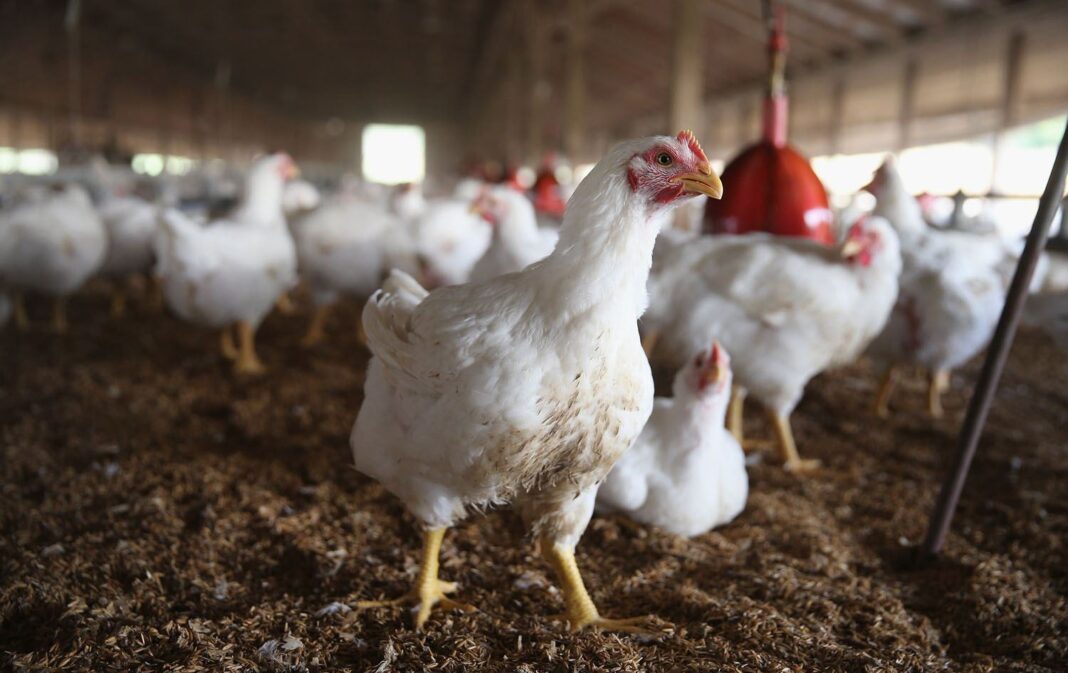
The ministry also reported that local meat and chicken production included 225,244 tons of chicken. Yet large amounts remain unrecorded, especially from live poultry shops and unregulated imports.
To overcome this gap, Mohammed stressed the need for new strategies. He said Iraq must build modern slaughterhouses and advanced animal farming stations. Reactivating stalled poultry projects and launching new ones are also key steps.
He urged officials to design practical programs backed by research and field testing. These steps, he added, will help Iraq achieve real progress.
Without urgent reforms, local meat and chicken production will remain inconsistent and unpredictable, holding back Iraq’s food security goals.
Without urgent reforms, local meat and chicken production will remain inconsistent and unpredictable, holding back Iraq’s food security goals. Success depends on coordinated efforts among government, farmers, and industry stakeholders to build a sustainable production system. Only through such collaboration can Iraq achieve true self-sufficiency in meat and poultry supply.