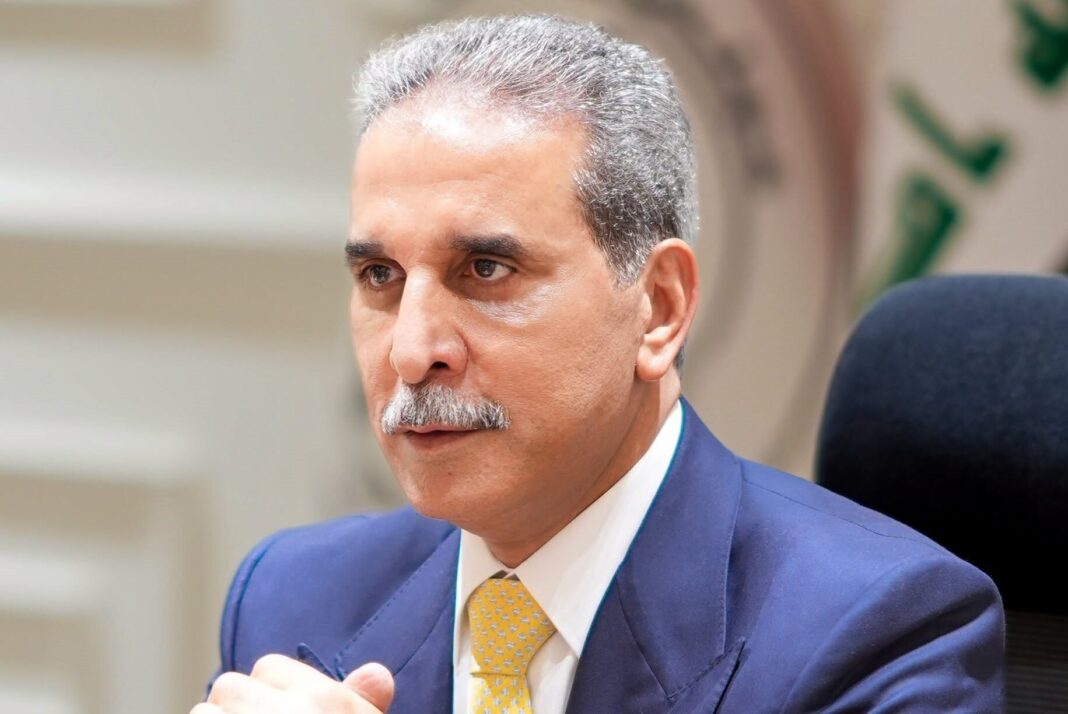
Targeted drone plot rumors recently surfaced after intelligence agencies uncovered a scheme against Faiq Zidan.Officials identified Zidan as the leader of the Supreme Judicial Council of Iraq. Security teams uncovered evidence that armed groups planned to strike him. Consequently, intelligence forces alerted national leaders about the immediate threat.Investigators believe the conspirators intended to deploy an explosive-laden unmanned aerial vehicle.
This dangerous targeted drone plot directly connects to a massive political standoff over unauthorized weaponry.Government authorities recently set September 30 as a strict ultimatum for armed factions. Under these regulations, all militant groups must surrender their weapons immediately. Alternatively, they must place all their military equipment under direct government control. Factions refusing compliance face severe legal consequences under anti-terrorism laws.
Meanwhile, top national leaders gathered to address these escalating political tensions. Specifically, the president, prime minister, parliament speaker, and judicial head held emergency discussions. The leadership focus centered on enforcing the upcoming disarmament cutoff date. Leaders carefully evaluated punitive measures against factions that disobey official state orders. They reiterated that state institutions must retain sole authority over military weapons.
Furthermore, political pressure on Baghdad continues to build rapidly regarding non-state militias. Powerful domestic factions have fiercely resisted government demands to disarm their fighters. Instead, several groups demand the full withdrawal of foreign military forces first. However, senior judicial figures refuse to compromise on establishing state authority.
Ultimately, security agencies heightened protection measures surrounding key government figures nationwide.Intelligence units continue investigating the details behind the targeted drone plot. Authorities aim to identify every individual participating in the plan. Security personnel insist that state institutions will remain firm against intimidation tactics.