Iraq-Syria judicial cooperation is gaining momentum as Baghdad offers its judicial expertise to Damascus. The development comes during a high-level visit by Iraq’s top judicial official.
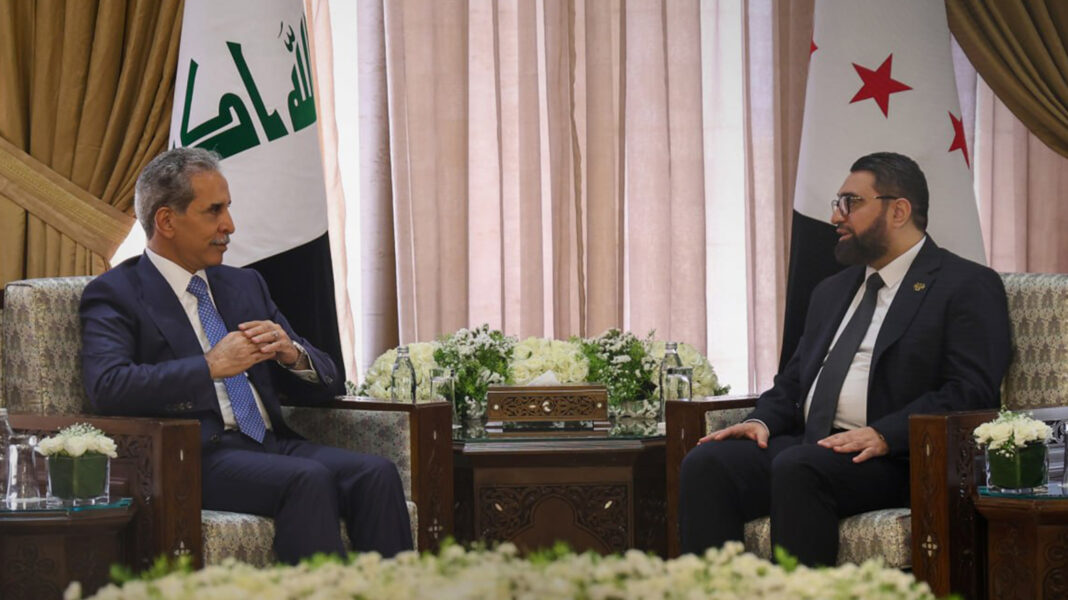
Faiq Zaidan, head of Iraq’s Supreme Judicial Council, arrived in Damascus on Thursday. He then met Syrian Justice Minister Mazhar Abdulrahman during his official visit.
Zaidan expressed Iraq’s readiness to share judicial experience with Syria. He also praised Damascus for its efforts to strengthen state institutions.
The Iraqi judicial chief said Baghdad supports Syria’s institution-building efforts. He also emphasized the importance of cooperation between the two judicial systems.
Meanwhile, Abdulrahman welcomed the Iraqi delegation during the meeting. He said relations between Baghdad and Damascus have advanced considerably in recent periods.
According to the Syrian minister, economic and security coordination has particularly improved. However, both sides now want to expand cooperation into judicial affairs.
Abdulrahman said Syria has entered a new phase of state-building. Therefore, he stressed the importance of establishing strong institutions and a clear legal framework.
The minister also highlighted the importance of building a state based on law. He said institutional development remains a central priority for Syria.
Consequently, the visit could create new opportunities for judicial coordination between Baghdad and Damascus. Both countries can potentially exchange experience in courts, legal procedures and institutional development.
The discussions also come as Iraq and Syria increase coordination on security matters. In addition, both governments have worked to strengthen communication on several regional issues.
The Iraq-Syria judicial cooperation agenda could also involve sensitive security and legal cases. In particular, officials may discuss ISIS members transferred from Syria to Iraq.
Iraq has received significant numbers of suspected ISIS members from detention facilities in northeastern Syria. The transfers took place through coordination with the Iraqi government.
Many of those detainees previously remained in facilities operated by the Syrian Democratic Forces. Iraqi authorities subsequently moved some detainees into prisons inside Iraq.
The transfers created additional legal and judicial responsibilities for Baghdad. Iraqi courts must therefore address cases involving detainees with different legal circumstances.
Furthermore, deeper judicial coordination could help both countries manage complex cross-border legal issues. Such cooperation could include information sharing and legal expertise.
However, officials have not publicly confirmed the full scope of discussions concerning ISIS detainees. Further details could emerge as the Iraqi delegation continues its visit.
The meeting also reflects broader efforts to strengthen relations between Iraq and Syria. Baghdad has increasingly emphasized regional coordination while supporting state institutions.
For Damascus, judicial cooperation could support its efforts to rebuild state structures. For Baghdad, stronger legal ties could improve coordination on shared security concerns.
The latest Iraq-Syria judicial cooperation efforts therefore carry both institutional and security significance. They could also establish a framework for continued coordination between the neighboring countries.
Ultimately, the visit highlights Iraq’s willingness to share its judicial experience. Meanwhile, Syria is seeking stronger institutions as it enters a new phase.