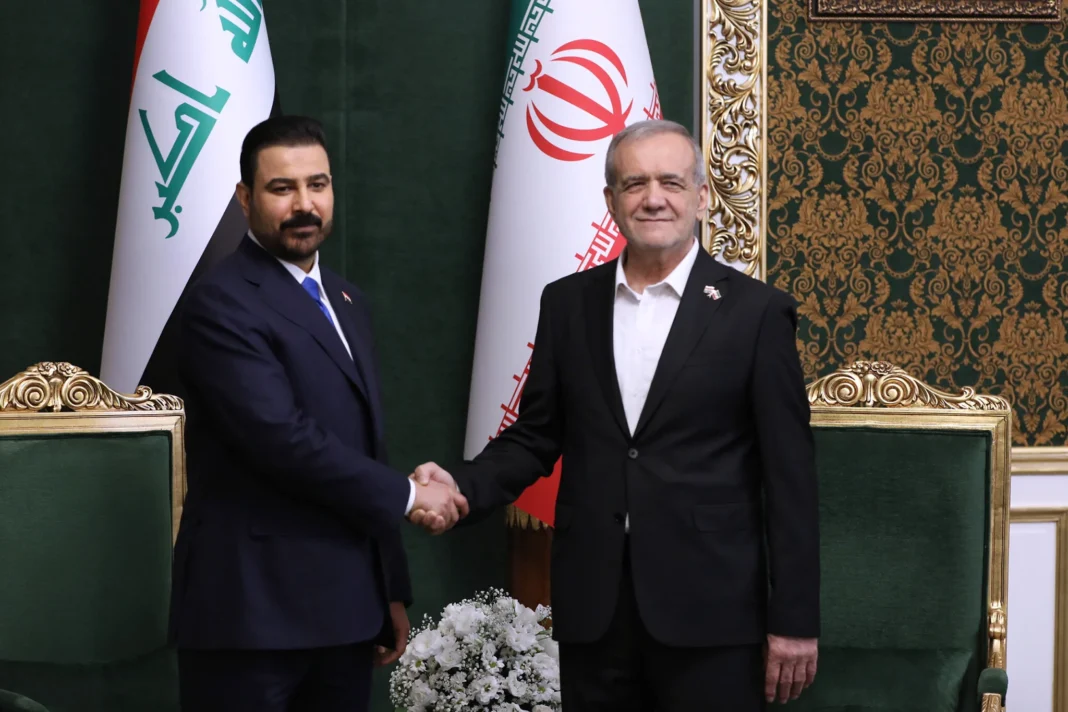
Iraqi Prime Minister Ali Al-Zaidi and Iranian President Masoud Pezeshkian held talks in Tehran. Both leaders agreed to accelerate cooperation across several important sectors.
The leaders discussed political relations, economic cooperation, trade, energy, transit, and regional affairs. Moreover, they reviewed ways to strengthen ties between their governments.
The Iraq-Iran agreements cover several areas that could support economic and political cooperation. Both governments now want faster progress on their existing commitments.
Al-Zaidi and Pezeshkian also highlighted the longstanding relationship between Iraq and Iran. They described those ties as a central part of bilateral cooperation.
Furthermore, both leaders reviewed major regional developments. They also discussed how closer coordination could support regional stability.
Economic cooperation formed a major part of the Tehran discussions. Iraq wants stronger trade partnerships and more investment across productive sectors.
Meanwhile, Iran wants to expand its commercial role inside Iraq. Greater cooperation could create opportunities for businesses in both countries.
Investment projects also appeared among the main discussion points. However, both governments must turn their plans into practical and measurable projects.
Clear investment rules could encourage companies to support new developments. Additionally, transparent procedures could reduce delays and improve investor confidence.
Energy cooperation remained another important part of Al-Zaidi’s agenda. Iraq relies on Iranian natural gas to support its electricity system.
Therefore, Baghdad wants Iran to maintain stable gas supplies. Reliable energy imports could help Iraq meet electricity demand and reduce power shortages.
However, both countries must manage financial, technical, and political challenges. Regional tensions can also affect energy payments and supply arrangements.
Agriculture formed another key area during the discussions. Both countries could expand cooperation through trade, technology, and agricultural investment.
Iraqi farmers could benefit from improved equipment and production methods. Meanwhile, stronger agricultural output could support food security and reduce imports.
Transit cooperation also received attention during the talks. Iraq occupies an important position between Gulf markets, Iran, Türkiye, and wider regional trade routes.
Therefore, better transport links could increase trade and reduce delivery costs. Improved border procedures could also support faster movement between the two countries.
Additionally, customs cooperation could help businesses avoid unnecessary delays. Clearer regulations may also encourage companies to expand cross-border operations.
Political coordination remained important because Iraq shares a long border with Iran. Both countries also maintain strong economic, religious, and social connections.
However, Baghdad continues to balance its relations with several regional and international powers. This approach allows Iraq to protect its interests without choosing one political side.
The leaders also discussed tensions between Tehran and Washington. Iraq wants to encourage dialogue and prevent further regional escalation.
Baghdad could use its diplomatic relationships to support communication between both sides. Nevertheless, any mediation effort would require cooperation from Tehran and Washington.
Officials from both countries now need clear implementation plans. They should identify project deadlines, financing requirements, and responsible government departments.
Furthermore, regular meetings could help officials measure progress and solve emerging problems. Without proper follow-up, major agreements may face administrative delays.
Faster progress on Iraq-Iran agreements could increase trade and strengthen energy security. It could also create new opportunities for transport and agricultural investment.
However, successful implementation requires transparent management and clear legal protections. Businesses need stable regulations before committing money to long-term projects.
Both governments could also improve banking and payment arrangements. Better financial channels may support trade and reduce complications for companies.
Moreover, stronger border coordination could increase commercial activity. Efficient customs procedures could help goods reach markets more quickly.
Energy investment could also support Iraq’s long-term power goals. New projects may help Baghdad improve electricity production and strengthen national infrastructure.
However, Iraq also wants a more diverse energy system. Domestic production could gradually reduce the country’s dependence on imported supplies.
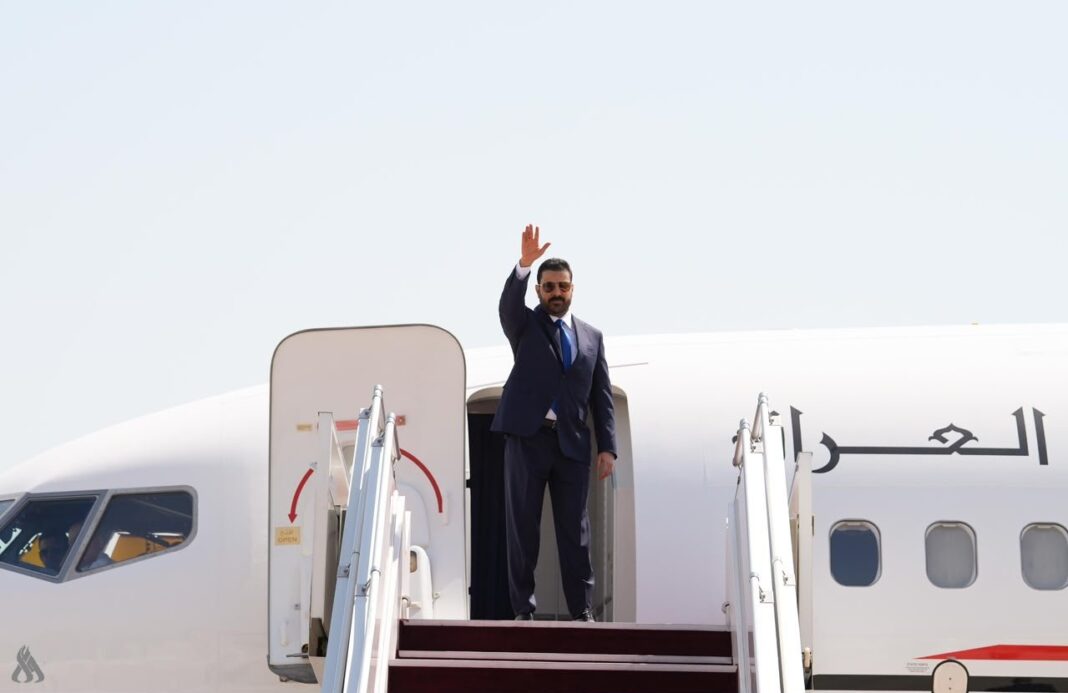
Al-Zaidi also plans to visit Türkiye and Saudi Arabia during his regional tour. Those visits will focus on strengthening diplomatic and economic relationships.
The wider tour reflects Baghdad’s effort to increase regional cooperation. Iraq wants balanced partnerships with its neighbors and major regional powers.
Furthermore, stronger relations with Türkiye could support trade, water discussions, and transport projects. Cooperation with Saudi Arabia could encourage investment and economic development.
Al-Zaidi’s regional meetings could also strengthen Iraq’s diplomatic position. Baghdad wants to play a more active role in regional political discussions.
Ultimately, the Tehran talks showed both governments’ desire for faster cooperation. However, practical action will determine the success of their plans.
Iraq and Iran must now convert political commitments into clear projects. Successful implementation could strengthen trade, energy cooperation, transit links, and regional stability.