Iraq and GCC strengthen ties as both sides seek closer political, economic, and security cooperation across the region. Iraqi officials and Gulf leaders reaffirmed their commitment during high-level talks in Baghdad on Tuesday. The meeting highlighted shared priorities, including regional stability, stronger diplomacy, and enhanced security coordination.
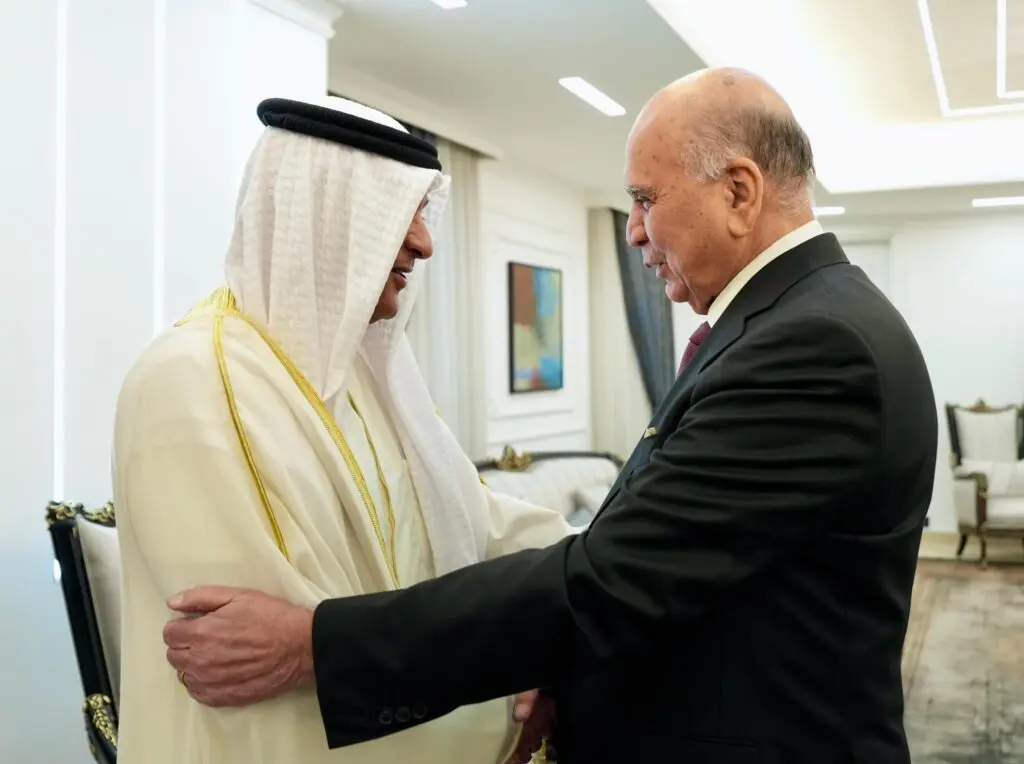
Fuad Hussein, Iraq’s Foreign Minister, met with Jasem Mohamed Albudaiwi, Secretary-General of the Gulf Cooperation Council. Following their discussions, both officials expressed confidence in the future of relations between Iraq and the Gulf states.
Fuad Hussein said Iraq maintained positive relations with Gulf countries before recent regional tensions. He added that Iraq intends to restore those relations and expand cooperation during the coming period. Furthermore, he emphasized the importance of dialogue and mutual understanding among neighboring countries.
Meanwhile, Albudaiwi condemned recent cross-border attacks that targeted several GCC member states. He blamed Iran-aligned groups for carrying out those attacks across the region. At the same time, he praised the Iraqi government for taking steps to prevent hostile operations from launching inside Iraqi territory.
Additionally, Albudaiwi described Iraq as an essential strategic partner for the Gulf states. He explained that stronger cooperation between Iraq and its Arab neighbors would improve regional security and stability. However, he also noted that resolving outstanding issues remains necessary for deeper cooperation.
The visit also reflected recent diplomatic efforts by Iraqi Prime Minister Ali al-Zaidi. His government has worked to rebuild trust with Gulf Arab countries after previous political tensions affected bilateral relations.
Regional security dominated much of the discussions. Earlier this year, military conflict between the United States, Israel, and Iran increased instability across the Middle East. The conflict triggered missile and drone attacks that reached several countries throughout the region.
Moreover, armed groups aligned with Iran claimed responsibility for multiple attacks against alleged American targets. Some operations also targeted facilities located inside Gulf Arab states. Consequently, regional governments raised concerns over cross-border security threats.
In April, the United Arab Emirates formally protested attacks that it said originated from Iraqi territory. Emirati officials delivered a strong diplomatic message to Iraq’s chargé d’affaires. They accused Iran-aligned armed groups of targeting facilities inside Gulf countries despite an existing truce.
Furthermore, Abu Dhabi warned that continued attacks could place bilateral relations under significant pressure. The warning underscored growing concerns over regional security and diplomatic stability.
In response, Prime Minister Ali al-Zaidi strongly condemned attacks against the Saudi Arabia and the United Arab Emirates. He reaffirmed Iraq’s rejection of any attempt to use its territory for attacks against neighboring countries.
He also ordered the formation of a high-level investigative committee. The committee will cooperate with Saudi and Emirati authorities to determine the circumstances surrounding the attacks. Iraqi officials hope the investigation will strengthen trust and improve regional cooperation.
Iraq and GCC strengthen ties through continued dialogue and practical cooperation. Both sides believe stronger partnerships can improve security while supporting economic development across the region. They also stressed the importance of respecting sovereignty and preventing actions that threaten neighboring countries.
Looking ahead, Iraq and GCC leaders expressed optimism about expanding cooperation beyond security issues. They highlighted investment, trade, infrastructure, and diplomatic engagement as future priorities. These efforts could strengthen long-term partnerships across the Gulf and the wider Middle East.
As regional challenges continue, Baghdad and the GCC appear committed to deeper coordination. Their latest meeting demonstrated a shared desire to reduce tensions while encouraging stability and economic growth. Iraq and GCC strengthen ties through diplomacy, security cooperation, and mutual respect for regional interests