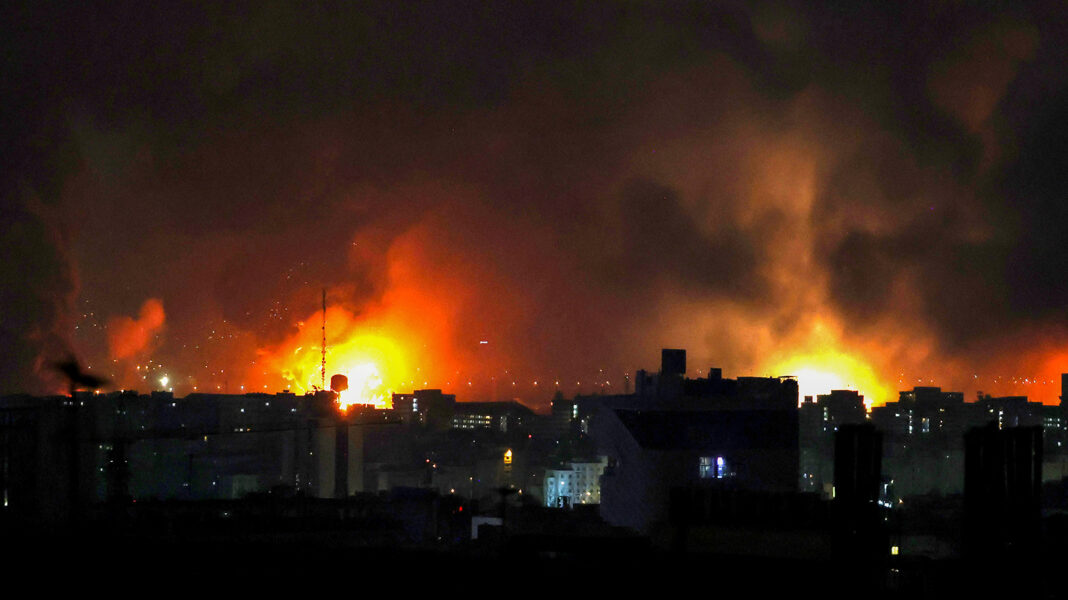
The Kurdistan Region attacks have surged since February 28, causing widespread destruction and casualties. According to the US-based monitoring group Christian Peacemaker Teams (CPT), 196 missile and drone strikes have hit the region. These attacks killed four people and injured 19 others, escalating tensions across northern Iraq.
CPT said Iran and allied armed groups launched these strikes across the Kurdistan Region. The attackers hit many sites, including the US Consulate General in Erbil and military bases. They also struck refugee camps hosting Iranian Kurdish civilians and the headquarters of Iranian Kurdish opposition parties.
Furthermore, Erbil International Airport, oil fields, hotels, residential neighborhoods, former United Nations offices, telecommunications towers, and Peshmerga command centers faced attacks. The group emphasized that these strikes represent a serious threat to civilian safety and regional stability.
The distribution of attacks shows Erbil province was hit the most, with 162 incidents. Al-Sulaymaniyah faced 26 strikes, Duhok five, and Halabja three. CPT also recorded 43 attacks on the Iranian Kurdish opposition party headquarters. Another 58 strikes targeted sites linked to the United States, including military and diplomatic positions.
In addition, 95 strikes hit civilian or mixed-use locations. Hotels, residential neighborhoods, oil facilities, and Peshmerga sites suffered damage. The monitoring group highlighted that these attacks not only endanger lives but also damage critical infrastructure, disrupting daily life in the Kurdistan Region.
The Kurdistan Region attacks have sparked concern among local authorities and international observers. Many call for increased protection of civilian areas and vital infrastructure. Analysts warn that continued strikes may destabilize the region further if no urgent measures are taken.
These coordinated operations demonstrate the strategic planning of Iran-linked armed groups, which appear intent on targeting both US-affiliated sites and Kurdish opposition positions. The pattern indicates both political and military motives behind the persistent violence.
Overall, the Kurdistan Region attacks underscore the fragile security situation in northern Iraq. Local authorities, international organizations, and regional powers face mounting pressure to address the threats and protect civilians effectively.