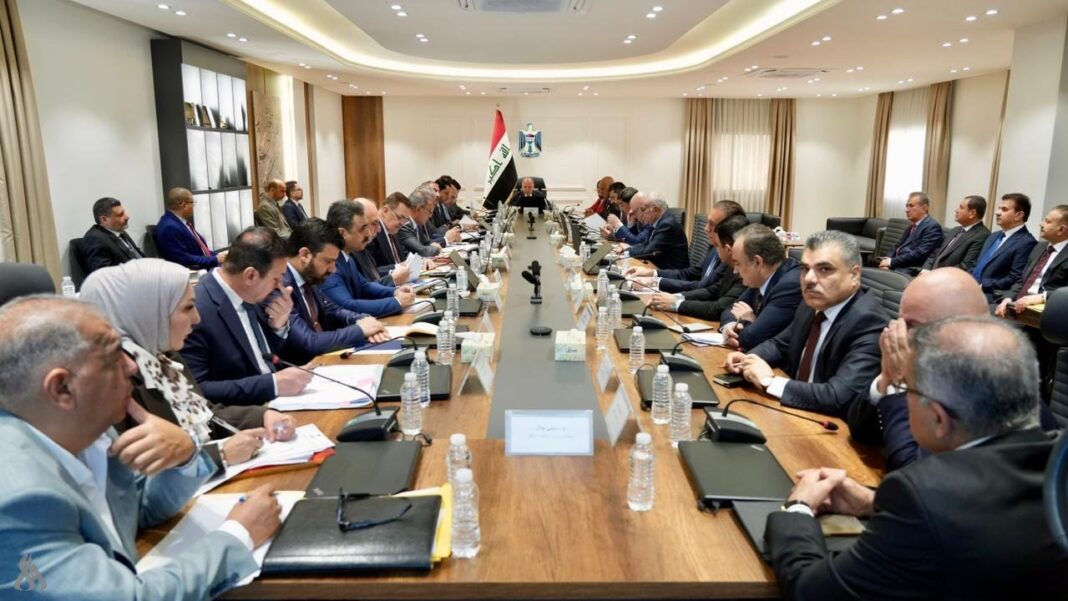
The U.S.-Iran ceasefire agreement has reshaped the security landscape across Iraq and the wider region. Moreover, it has prompted armed factions in Iraq to suspend operations for two weeks. The announcement signals a temporary pause after months of intense escalation. It also raises questions about long-term stability.
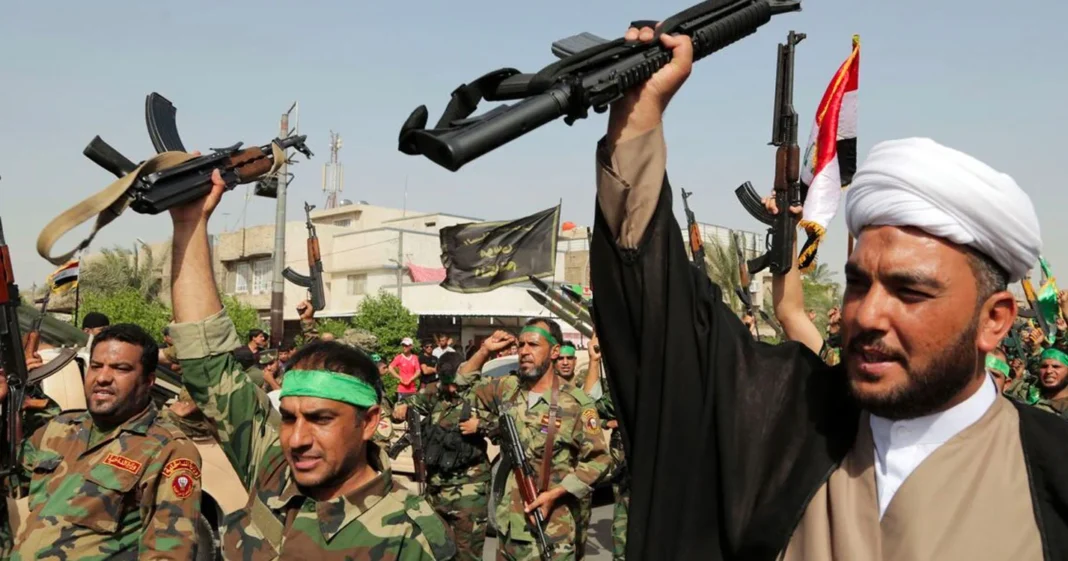
The Islamic Resistance in Iraq declared the suspension on Wednesday. The group framed the move as a response to the new diplomatic development. Furthermore, the decision follows weeks of cross-border missile and drone activity. These operations previously targeted locations across Iraq and neighboring states.
The umbrella network includes Kataib Hezbollah, Harakat al-Nujaba, and Kataib Sayyid al-Shuhada. Additionally, these factions maintain ties with the Popular Mobilization Forces. Since late February, they have conducted hundreds of attacks. These strikes covered Iraqi territory, the Kurdistan Region, and surrounding countries.
Meanwhile, the U.S.-Iran ceasefire agreement emerged shortly before a major escalation deadline. It establishes a temporary two-week halt in hostilities. Moreover, it outlines initial steps toward reopening the Strait of Hormuz. Pakistan is expected to facilitate upcoming negotiations.
The conflict originally began in late February. At that time, U.S. and Israeli forces struck Iranian military sites. Consequently, Iran responded with missile and drone attacks across the region. The confrontation quickly expanded beyond initial targets.
Iraq faced some of the most severe consequences. For instance, the country lost access to key southern export terminals. In addition, Iranian gas supplies were disrupted during peak demand periods. Military bases and diplomatic facilities also came under repeated attack.
Furthermore, civilian areas and energy infrastructure sustained significant damage. These developments increased political pressure on all sides. As a result, regional actors began seeking de-escalation pathways.
The recent suspension aligns with broader shifts following the U.S.-Iran ceasefire agreement. Therefore, Iraqi factions have paused operations while monitoring political developments. However, officials have not confirmed whether the suspension will extend beyond two weeks.
Observers note that the situation remains fragile. Any breakdown in talks could reverse recent progress quickly. Nevertheless, the pause offers a narrow opportunity for diplomacy. It also reduces immediate pressure on regional security systems.
Finally, the Islamic Resistance in Iraq stated it will review developments closely. The group emphasized that future decisions depend on regional compliance. Meanwhile, international actors continue pushing for sustained dialogue and stability.