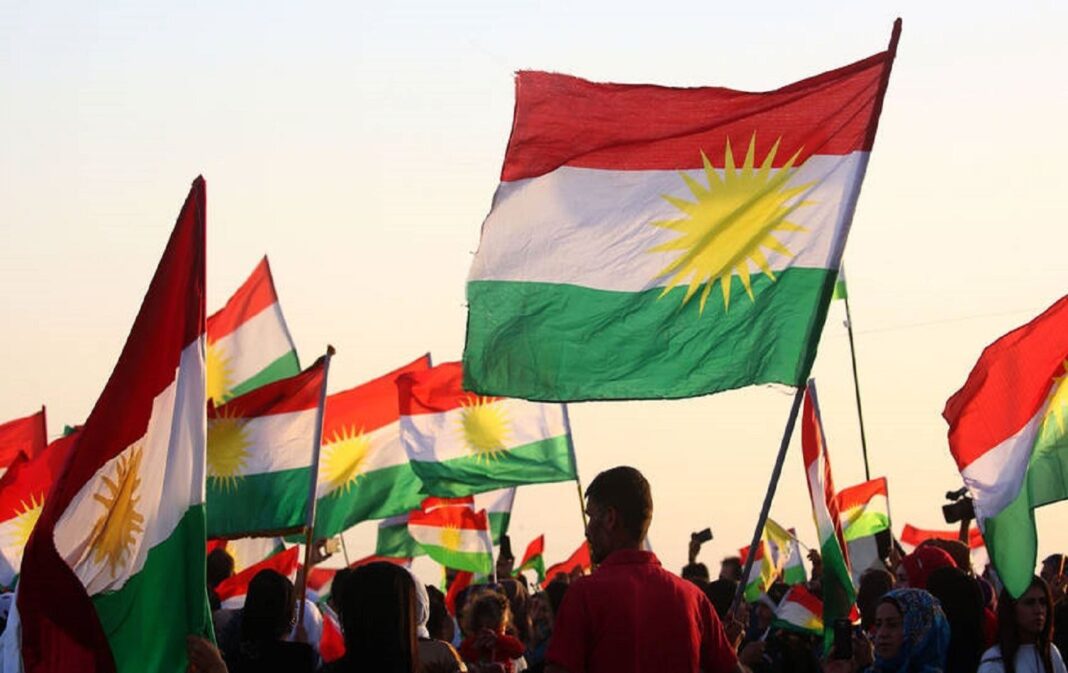
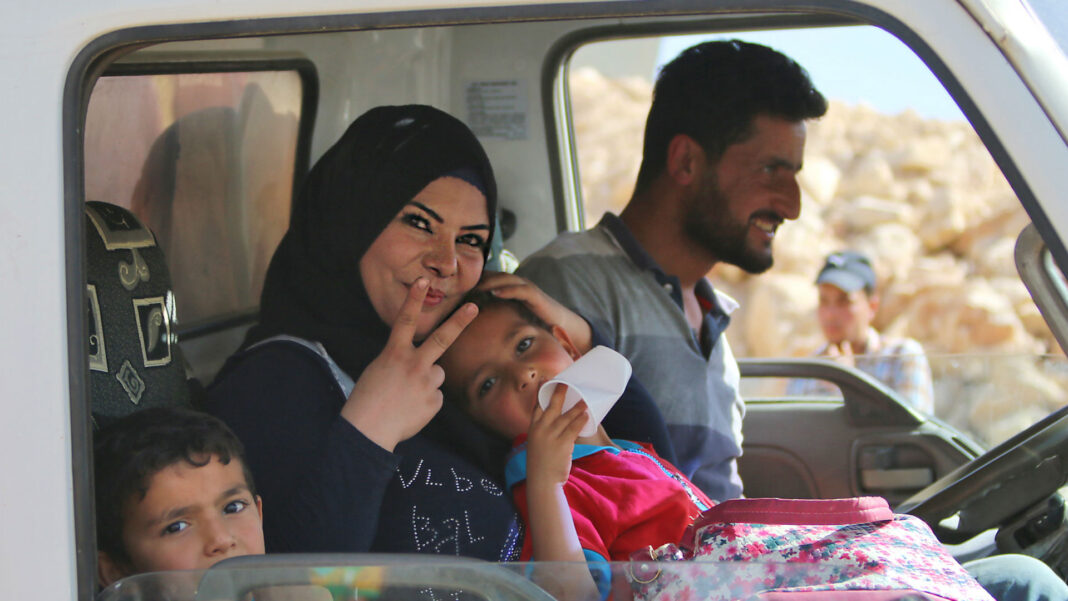
Syrian Kurdish families are calling on authorities to let them return home after last week’s ceasefire ended clashes. In Derik (al-Malikiyah), northeastern Syria’s Hasaka province, families who fled fighting over the past decade shelter in abandoned schools and mosques. Moreover, many displaced civilians moved several times during Syria’s 14-year war. As a result, they now struggle to find food, water, and medical support.
Mohammed Arif, who fled Afrin with his family, said he seeks safe passage back to the northern city. Afrin fell to Syrian forces in 2018, and Damascus now controls the area. Arif said the ceasefire should allow families to return. Therefore, he called for clear guarantees and secure access. “We want to return home safely based on the provisions of the agreement,” he said.
Arif’s wife, Zainab Rasheed, said displacement has taken a heavy emotional toll on their family. She added that they have lived away from their home for seven to eight years. Consequently, Rasheed said they want to return under a regime that prevents future displacement. She described the constant fear and uncertainty that now defines their lives. In addition, she said the family needs stability and protection.
The ceasefire ended weeks of fighting that displaced tens of thousands of civilians. Furthermore, the clashes caused electricity cuts and damaged roads, which limited humanitarian aid. Negotiators then reached a deal to integrate Kurdish-led institutions into the central government. The agreement includes withdrawing frontline forces and incorporating some SDF brigades under government command. Meanwhile, humanitarian agencies warn that civilians remain highly vulnerable.
The United Nations reports that over 6.7 million people remain internally displaced inside Syria. Meanwhile, 3.7 million Syrian refugees live outside the country. Additionally, more than 1.4 million refugees returned home from neighboring countries. Likewise, nearly 2 million displaced Syrians returned after the regime changed in late 2024. Still, families like Arif’s say they cannot rebuild their lives without a safe path back. They continue to insist that they must return home safely, and they demand that authorities act quickly to make it possible.