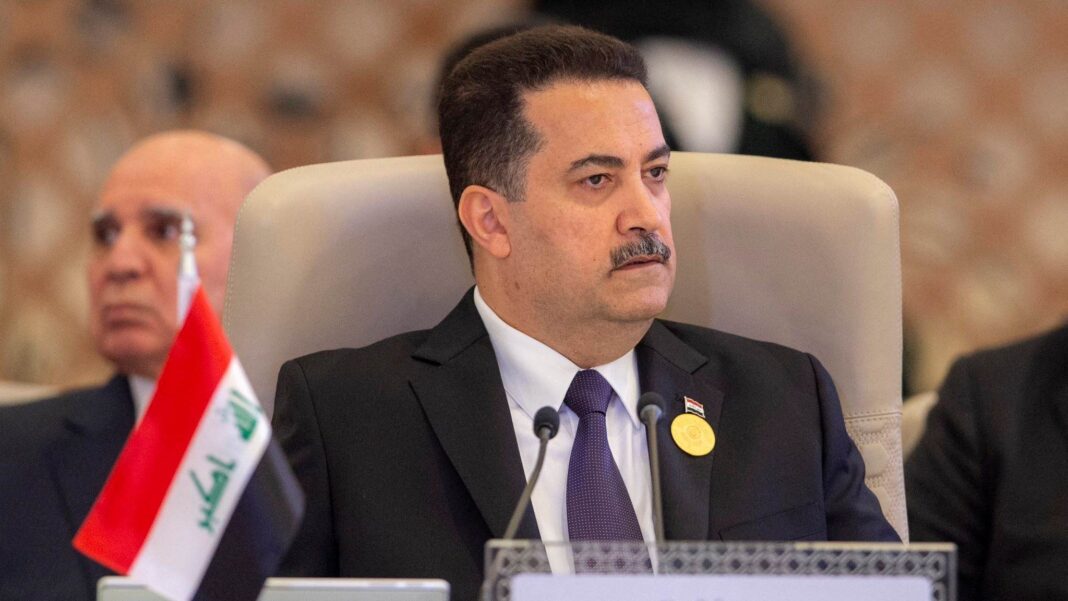
Iraq de-escalation diplomacy took center stage during a high-level meeting in Baghdad on Sunday. Prime Minister Mohammed Shia al-Sudani discussed regional developments with the British Ambassador to Iraq. Moreover, both sides reviewed ongoing political and security trends across the region. In addition, officials emphasized the importance of stability and calm.
The Prime Minister stressed strong support for regional and international efforts. He called for intensified coordination to reduce tensions. Furthermore, he linked these efforts to recent ceasefire developments. As a result, he described dialogue as a key path toward stability.
Iraq de-escalation diplomacy also focused on preventing further escalation of regional crises. The Prime Minister highlighted the need to strengthen diplomatic engagement. Moreover, he urged continued negotiation between the involved parties. In addition, he warned against actions that could expand existing conflicts. Therefore, he pushed for sustained international cooperation.
During the meeting, both sides reviewed recent regional updates. They discussed security developments and political challenges. Furthermore, they explored ways to support long-term stability. In addition, they emphasized the importance of coordinated responses. Consequently, the talks reinforced shared diplomatic priorities.
The Prime Minister also called on major global powers to play an active role. He urged international organizations to support peace efforts. Moreover, he stressed the need to stop escalation across conflict zones. In addition, he encouraged stronger backing for diplomatic initiatives. Therefore, he positioned diplomacy as the main solution pathway.
Iraq de-escalation diplomacy further highlighted Iraq’s role in regional balance. The Prime Minister emphasized Iraq’s commitment to peaceful solutions. Furthermore, he reaffirmed support for dialogue-based approaches. In addition, he linked stability to broader regional security. Consequently, Iraq presented itself as a supporter of de-escalation.
The British Ambassador also engaged in discussions on cooperation. Both sides reviewed bilateral relations and regional concerns. Moreover, they shared views on maintaining stability in the Middle East. In addition, they agreed on the importance of continued communication. Therefore, the meeting strengthened diplomatic understanding.
Overall, the meeting reinforced a clear message of stability and dialogue. Leaders emphasized negotiation over confrontation. Furthermore, they highlighted the importance of coordinated international action. In addition, they focused on long-term peace efforts. Ultimately, Iraq’s de-escalation diplomacy remains central to current government policy.