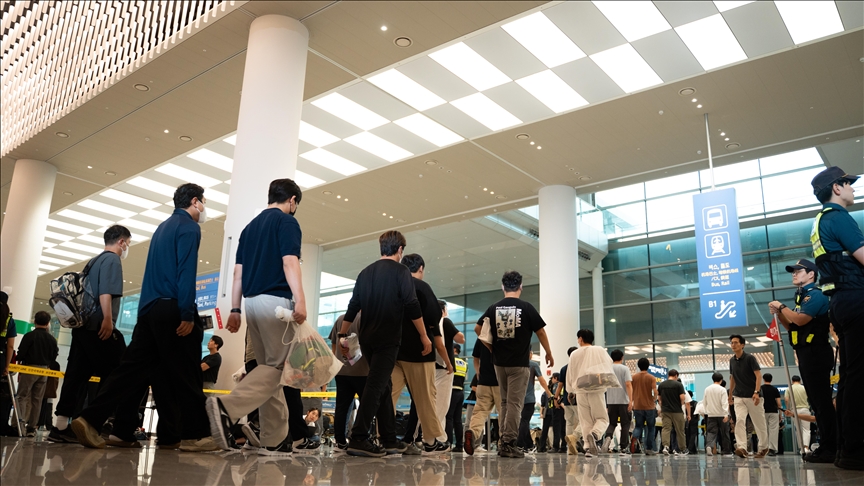
As Middle East evacuations accelerate, South Korea has moved dozens of its citizens out of Iraq. On Monday, the South Korean Foreign Ministry confirmed that 60 employees from Korean companies relocated to safer areas. This step reflects growing fears as the regional conflict deepens. Moreover, officials continue to monitor the situation closely while prioritizing citizen safety.
First, authorities coordinated the departures between March 18 and March 29. The workers traveled to nearby countries, including Kuwait, Turkey, and Jordan. The South Korean Embassy in Iraq advised the move and actively supported the evacuation process. In addition, embassy staff helped organize logistics and ensured safe passage for all individuals involved.
Meanwhile, the government expanded its efforts beyond Iraq. Last Friday, three South Korean nationals left Lebanon and arrived safely in Turkey. This action shows how Middle East evacuations now span multiple countries affected by instability. Furthermore, officials continue to issue travel guidance and assist citizens who seek to leave the region.
Since the conflict began on February 28, the Foreign Ministry has supported nearly 1,500 citizens in exiting high-risk areas. Consequently, these efforts highlight a broader strategy to respond quickly to rising threats. At the same time, authorities emphasize coordination with diplomatic missions and regional partners.
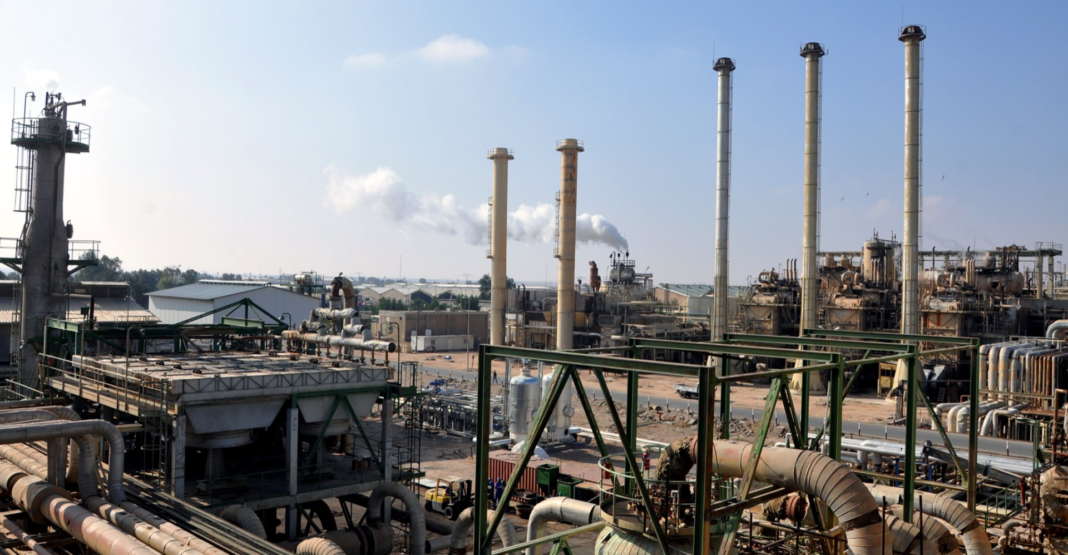
In parallel, energy companies have taken similar precautions. Earlier in March, several international oil firms relocated foreign workers from southern Iraq to Kuwait. These decisions followed increasing security risks near key oil infrastructure. Notably, drone attacks targeted major facilities, which raised alarm among global energy operators.
Companies such as Halliburton, KBR, and Schlumberger began withdrawing staff from vulnerable sites. For example, the Rumaila oil field faced drone strikes, prompting urgent safety measures. As a result, firms acted quickly to reduce risks to their personnel.
At the same time, the broader conflict continues to disrupt global energy markets. The closure of the Strait of Hormuz has intensified concerns over oil supply security. Consequently, interruptions in shipping and production have created uncertainty across international markets.
Overall, Middle East evacuations highlight the growing impact of the conflict on civilians and industries alike. Governments and companies now face mounting pressure to act swiftly. Therefore, many expect further evacuations if tensions continue to rise in the coming weeks.