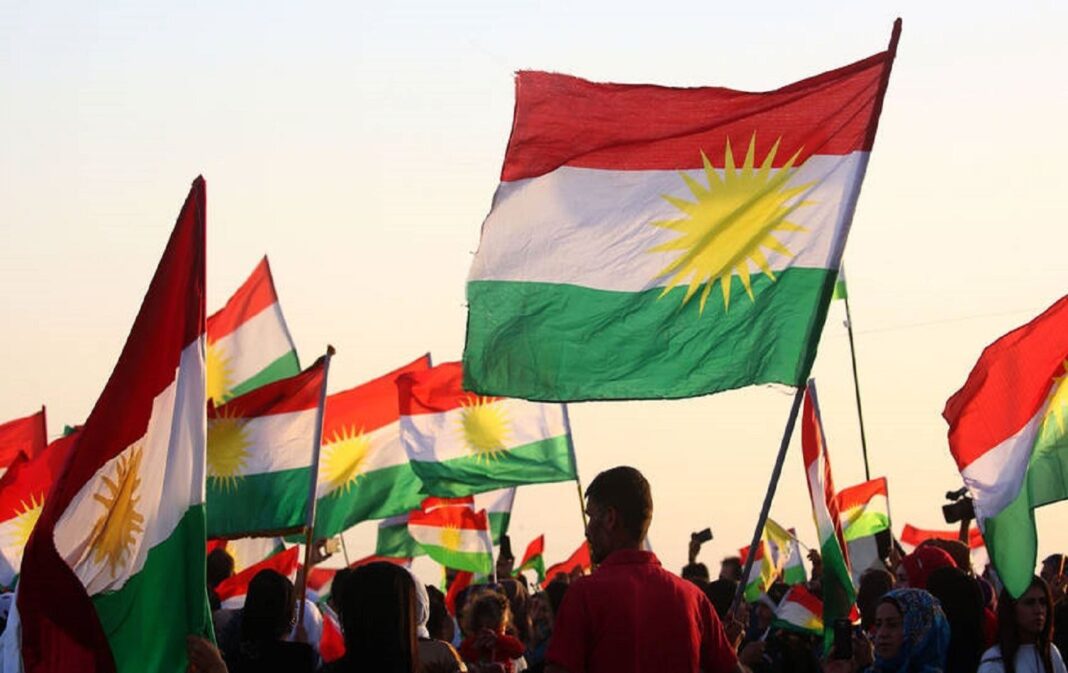
Kurdistan Democratic Party leader Masoud Barzani praised regional citizens on Wednesday for humanitarian engagement. He addressed residents across the Kurdistan Region through an official statement. He thanked communities for supporting Kurds living in Rojava, northern Syria. Moreover, he highlighted the speed and scale of public participation. Citizens organized donations and supplies despite difficult regional conditions. Consequently, aid campaigns gained momentum across cities and towns. Barzani emphasized Kurdish humanitarian solidarity as a defining response to crisis. He noted that public action reflected responsibility and deep national awareness. Therefore, he described the response as meaningful and inspiring.
Meanwhile, Syrian Islamist regime forces intensified military pressure on Kurdish areas in northern Syria. As a result, civilians faced growing displacement and insecurity. Families struggled with shortages of food, medicine, and shelter. In response, Kurds across the world mobilized rapidly. Activists launched humanitarian campaigns through local and international networks. Additionally, volunteers coordinated logistics and cross-border assistance. Social media platforms amplified eyewitness reports and documentation. Consequently, international attention increased around the unfolding humanitarian situation. Observers described Kurdish humanitarian solidarity as unprecedented in scale and coordination.
Furthermore, Barzani said the public response demonstrated shared responsibility among Kurdish citizens. He called the collective stance a source of pride for the region. He stressed that unity strengthens society during hardship. Additionally, he highlighted emotional bonds connecting Kurds across borders. He said empathy and action must always go together. Therefore, he argued that solidarity strengthens national identity. Community leaders echoed similar messages during aid deliveries. Volunteers reported strong cooperation and public trust. Kurdish humanitarian solidarity continued to guide public behavior throughout the crisis.
Additionally, Barzani thanked the Barzani Charity Foundation for leading organizational efforts. He also praised civil organizations and humanitarian institutions. Individual volunteers received recognition for personal contributions. Media outlets earned praise for spreading awareness and appeals. Barzani described the collective effort as a fulfilled national duty. He said the campaigns strengthened public consciousness and moral responsibility. Ultimately, he emphasized unity during both joy and suffering. He said Kurds consistently share pain and support one another. Finally, he stated that unity defines the Kurdish people’s moral strength.