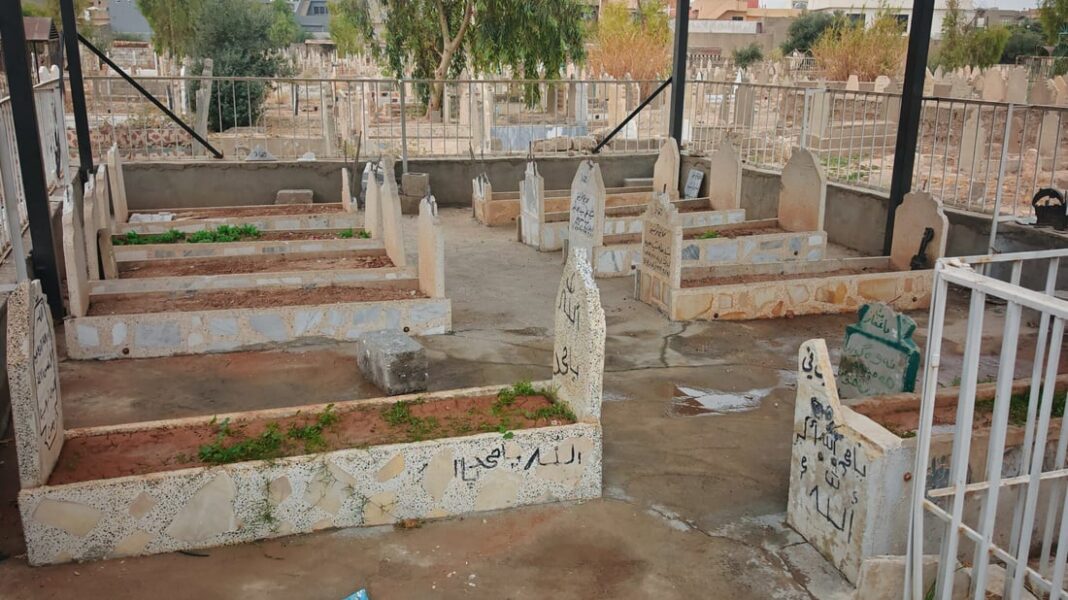
Protecting Sacred Spaces became a central concern in Erbil after residents discovered a third cemetery vandalism case. Local families found 11 damaged graves in the Said Maarouf Cemetery in the Balashawa neighborhood. The discovery unsettled many people because the community already struggles with recent grave violations across the region.
Residents told 964media that the damaged graves include those of Said Maarouf and several relatives. Frequent visitor Fereydoun Haji said the destruction likely occurred before the two earlier incidents. He explained that he visits the graves of his uncles often and noticed signs of disturbance long before news of the Koya and Sheikh Ahmad vandalism spread. His comments added urgency because many families now fear a pattern of repeated attacks.
The earlier cases already triggered deep concern. On December 4, 2025, vandals destroyed nearly 15 Christian graves in Hermota village in Koya district. The incident shocked the community because residents said they always lived peacefully with their Muslim neighbors. The damage worsened tensions and revived painful memories from past periods of instability.
Days later, attackers vandalized another 15 graves at Sheikh Ahmad Cemetery in Erbil. Witnesses said one grave structure burned during the incident. Cemetery custodian Sheikh Anas called the attack deeply troubling. He urged authorities to install surveillance cameras and strengthen monitoring. He stressed that Erbil rarely experiences such offenses and cannot allow similar incidents to continue unchecked.
Meanwhile, residents in Balashawa, Hermota and the Sheikh Ahmad area demanded stronger security. They want investigators to move quickly because they fear more vandalism could follow. They also stressed that authorities must protect burial sites because they hold cultural and emotional significance for every community.
Officials responded with strong statements. The Kurdistan Regional Government condemned the Hermota attack and described it as unacceptable. Leaders ordered repairs and reassured Christian families of their essential place in Kurdistan’s social fabric. Security forces, however, still search for suspects. Investigators say they continue to examine evidence from all three areas.
As Erbil residents unite around Protecting Sacred Spaces, many call for long-term solutions. They want better lighting, stronger fences and constant surveillance. Community leaders also encourage neighborhood patrols to prevent further attacks. Through steady cooperation and improved planning, they hope to safeguard graves and restore public confidence.
The series of incidents pushed Erbil to reflect on shared responsibilities. People across the city agree that Protecting Sacred Spaces requires teamwork, vigilance and clear action from authorities and residents alike.