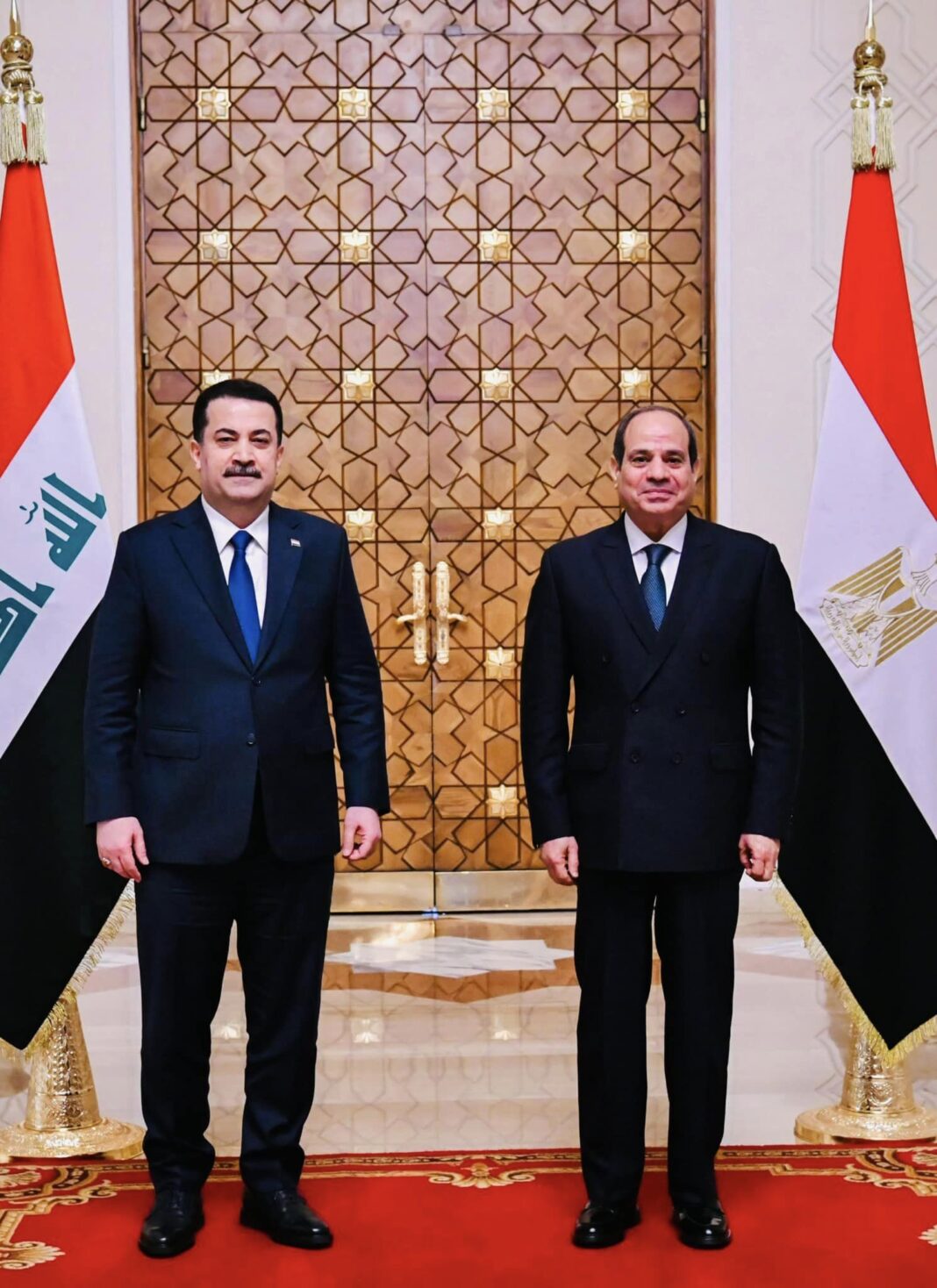
Iraq and Egypt emphasized on Wednesday that Arab coordination to stop the war must remain urgent. Prime Minister Mohammed Shia al-Sudani spoke with Egyptian President Abdel Fattah al-Sisi by phone. They reviewed escalating regional tensions and their impacts on security and stability.
Meanwhile, the Iraqi Prime Minister’s Media Office reported that both leaders agreed to intensify dialogue. They highlighted the importance of prioritizing diplomacy over military escalation. Moreover, they stressed that Arab coordination to stop the war is central to regional peace efforts.
Al-Sudani and al-Sisi expressed concern over the rapid developments in the region. They warned that unchecked conflict could spread chaos and undermine the stability of neighboring countries. Therefore, a unified Arab approach is essential to prevent further escalation.
In addition, the leaders called on the international community to act responsibly. They urged global powers to take legal measures to halt military operations. Furthermore, both emphasized that failing to intervene could damage the global economy and threaten regional security.
The call reinforced Iraq and Egypt’s commitment to keeping diplomatic channels open. They agreed to continue joint coordination with other Arab nations. Observers noted that such efforts reflect the urgency of preventing the conflict from worsening.
Analysts added that Arab coordination to stop the war provides a framework for collective action. They pointed out that strong collaboration among Arab states could pressure conflicting parties to negotiate. As a result, it could reduce civilian suffering and stabilize markets across the region.
Prime Minister al-Sudani highlighted that Iraq will actively support initiatives to strengthen Arab dialogue. In addition, he confirmed that Baghdad remains committed to regional cooperation and conflict prevention. President al-Sisi echoed this position, emphasizing Egypt’s dedication to peaceful solutions.
Overall, Iraq and Egypt reiterated that diplomatic engagement must guide the response to rising tensions. Experts agreed that coordinated Arab efforts could prevent the war from expanding and causing widespread instability.
Furthermore, the leaders pledged to maintain continuous communication with other Arab states. They concluded that only a unified Arab stance can effectively stop the conflict and safeguard regional peace.