Iraq is facing a presidential stalemate, as lawmakers cannot agree on a president. This deadlock delays the formation of a fully empowered government. Citizens and state institutions are already feeling the impact, and analysts warn that prolonged delays could further weaken public trust in the political system.
The constitution requires parliament to elect a president within 30 days of its first session. That deadline passed on January 28, yet no president has been chosen. Under Iraq’s post-2003 power-sharing system, the presidency goes to a Kurd, the prime ministership to a Shiite Muslim, and the speakership to a Sunni Arab. Parliament elected the speaker and deputies, but the presidential vote remains blocked because Kurdish parties cannot agree on a candidate.
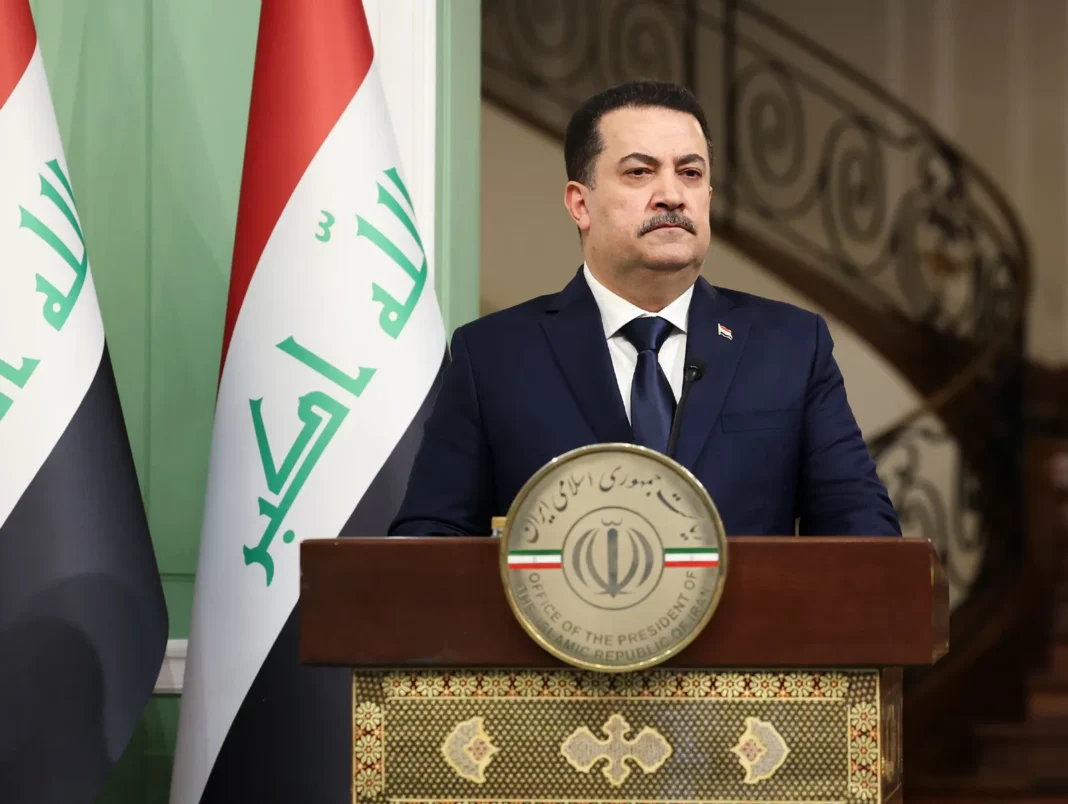
The Reconstruction and Development Coalition, led by caretaker Prime Minister Mohammed Shia al-Sudani, is Iraq’s largest parliamentary bloc. The coalition warned that the stalemate harms citizens and slows reforms. It called on parliament to hold a dedicated session next week to elect a president. It also urged Kurdish parties to choose a single candidate before the session, emphasizing that compromise is necessary to restore full government functionality.
The main Kurdish parties, the Kurdistan Democratic Party and the Patriotic Union of Kurdistan, cannot agree on a joint candidate. Their disagreement has repeatedly prevented the quorum needed to vote. Analysts stress that resolving this dispute is crucial to proceeding with the remaining constitutional steps, including forming a government aligned with election results and meeting the expectations of voters.
A government with limited powers slows political and economic reforms. It also affects citizens’ daily lives and the functioning of state institutions. Resolving the presidency stalemate remains critical for Iraq’s stability and for maintaining confidence in the political system. The Al-Sudani Coalition’s warning highlights the urgent need for compromise. Without swift action, the deadlock could continue, prolonging government inactivity and further impacting the country’s citizens and public services.