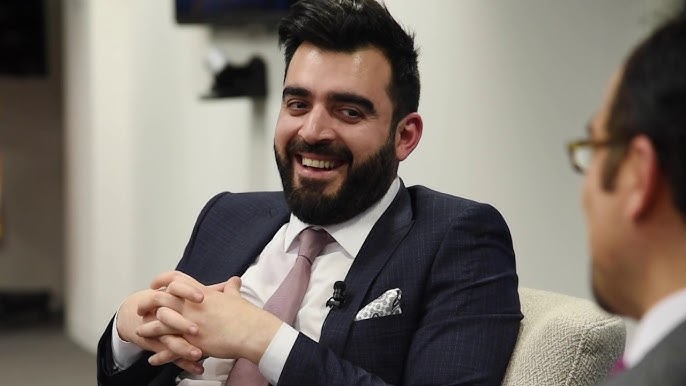
Iraq’s political satire critique took center stage in Washington on Wednesday as Iraqi satirist Ahmed Al-Basheer delivered a sharp and humorous assessment of Iraq’s post-2003 political system. He questioned the rise of businessman Ali Al-Zaidi and mocked what he described as symbolic elections dominated by elite negotiations.
The session took place at the Atlantic Council and drew attention from policy experts and media observers. Al-Basheer used humor to highlight what he sees as deeper structural problems inside Iraq’s political order.
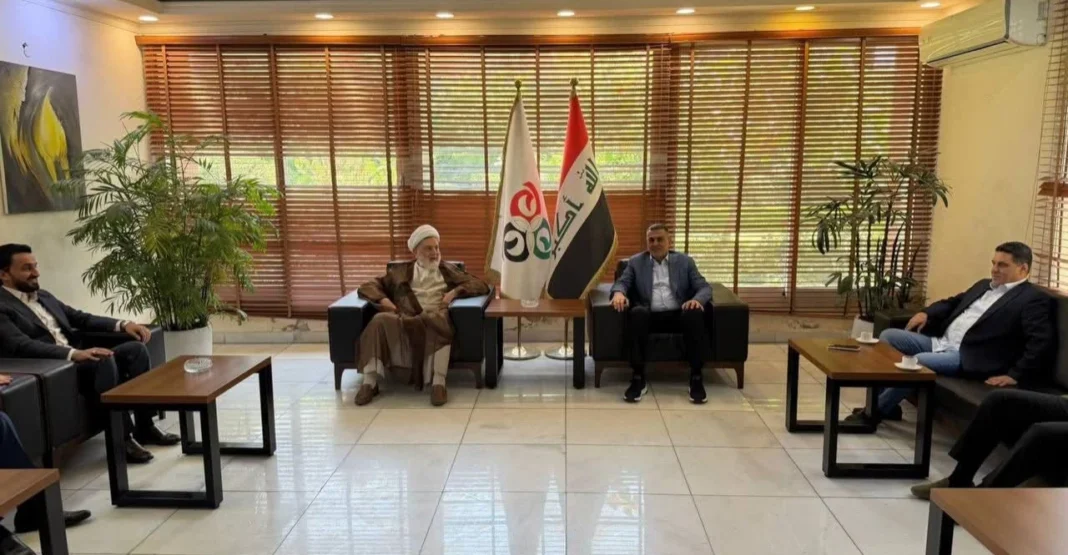
He said Iraqis learned about Al-Zaidi’s political rise with little public information. He argued that citizens often discover leaders through headlines rather than transparent political processes.
In addition, he joked that many Iraqis know Al-Zaidi more as a businessman than a politician. He added that public awareness of his political views remains extremely limited.
Furthermore, Al-Basheer questioned the lack of public engagement from political figures. He said many leaders avoid interviews and public accountability, which weakens democratic transparency.
Iraq’s political satire critique also formed the backbone of his broader argument about Iraq’s elections. He said voting processes often lose meaning due to behind-the-scenes negotiations.
He claimed that real political decisions often happen in closed meetings between powerful factions. As a result, he argued that election outcomes rarely reflect voter intentions.
Moreover, Al-Basheer criticized foreign influence in Iraqi politics. He said regional and international actors often shape political outcomes after elections.
He also criticized parliament’s behavior, describing it as a space filled with performative behavior, and said lawmakers often shift positions based on political instructions rather than policy principles.
Additionally, he criticized media behavior inside Iraq. He said many television channels operate under political influence instead of independent journalism.
He argued that media freedom changes depending on political agreements. Once deals take place, criticism often disappears from public platforms.
At the same time, he explained that his ability to speak freely comes from living outside Iraq. This distance, he said, protects him from political pressure.
Despite his criticism, Al-Basheer acknowledged differences across Iraqi political eras. He said earlier governments showed more tolerance toward media criticism compared to later administrations.
He also recalled past interactions with political leaders. In one example, he said a former prime minister thanked him for exposing corruption networks within his administration.
However, Al-Basheer ended his remarks on a hopeful note. He said real change must come from Iraqi society itself rather than external forces.
Moreover, he referenced past protest movements as evidence of public power. He said Iraqi citizens have already shown their ability to demand change.
Finally, Iraq’s political satire critique emphasized his belief that transformation takes time. He argued that Iraqis will eventually reclaim political control through persistence and civic pressure.
He concluded by rejecting the idea of external saviors. Instead, he said Iraq’s future depends on internal reform and public accountability.