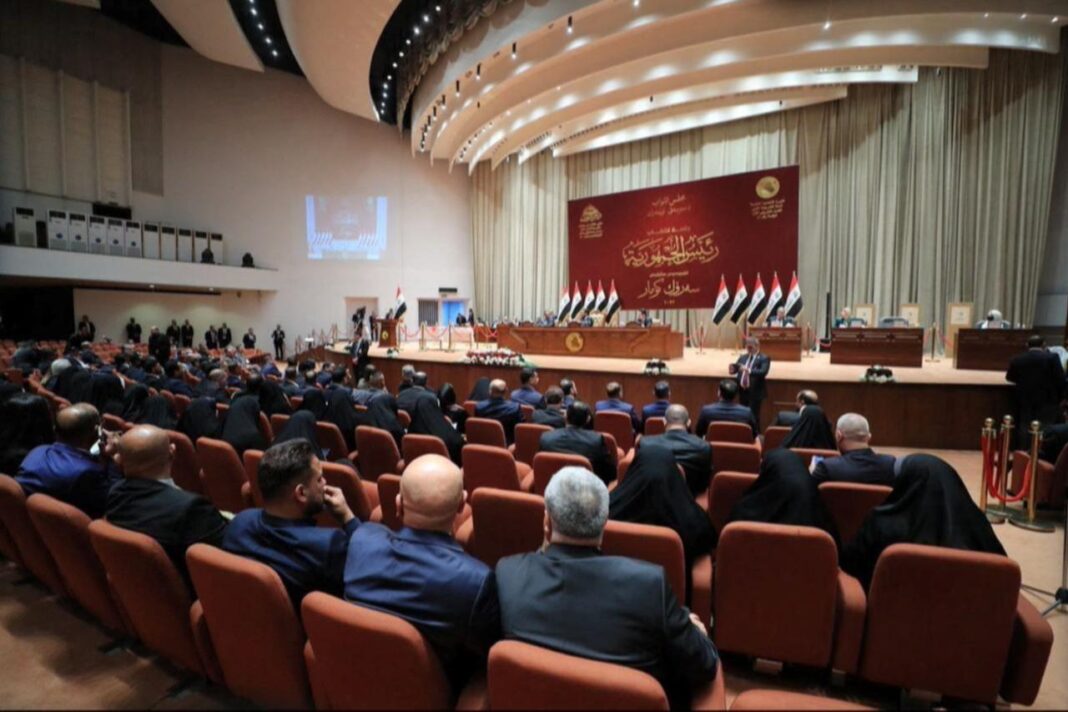
Iraq is sinking deeper into a constitutional vacuum as parliament again fails to elect a president. This delay has frozen the next step of nominating a prime minister. The continued paralysis fuels fears of a prolonged political crisis. Such a crisis could weaken state institutions, strain the economy, and erode public trust. As deadlines pass without consequence, uncertainty spreads across Baghdad and the Kurdistan Region.
The deadlock follows two failed presidential voting sessions on January 27 and February 1. Both sessions collapsed due to the lack of quorum and political agreement. Lawmakers have scheduled another parliamentary session for February 9. However, the agenda excludes a presidential vote. This omission reinforces concerns that leaders remain unwilling or unable to compromise. Each delay deepens the sense that Iraq has entered a dangerous constitutional limbo.
At the heart of the impasse lies a long-standing dispute between the Kurdistan Democratic Party and the Patriotic Union of Kurdistan. The presidency traditionally went to the PUK, which insists the arrangement reflects a political understanding upheld since 2005. However, the KDP challenges that interpretation and argues that the position should represent Kurdish voters collectively rather than one party alone.
The KDP has strengthened its argument by pointing to its performance in the latest parliamentary elections. The party secured more than one million votes and won 27 seats in the Kurdistan Region, later increasing its total to 32 seats after quota allocations. This result placed the KDP fourth nationwide, behind three major political blocs, and reinforced its claim to a stronger role in federal decision-making.
Meanwhile, the broader political environment remains fragile and deeply fragmented. Tensions persist not only between Kurdish rivals but also within the Shiite-led Coordination Framework, which itself struggles to maintain unity. External pressure has further complicated negotiations, particularly after Washington publicly opposed the return of Nouri al-Maliki to the premiership. The absence of clear regional backing and reservations from influential Shiite actors have left leadership prospects uncertain.
Despite recent visits by Coordination Framework delegations to Erbil and Al-Sulaymaniyah, talks failed to produce tangible progress. Legal experts now warn that Iraq has effectively entered a constitutional vacuum, even though the constitution itself does not impose penalties for missed deadlines. The caretaker government remains severely constrained, lacking authority to enact new policies or issue binding decisions without legal risk.
Political analysts warn that prolonged paralysis poses serious security risks. Continued fragmentation could allow extremist groups to regroup. Concerns have grown amid controversial detainee transfers from Syria. Others caution that pushing divisive leadership choices could trigger renewed international pressure. Such moves could revive discussions over conditional oversight. Many Iraqis fear this outcome due to past international restrictions.
As focus returns to parliament, some lawmakers signal a willingness to move forward without Kurdish consensus. They may rely on a secret ballot to break bloc discipline. However, political forces remain divided. Until agreement emerges, Iraq stays trapped in a constitutional vacuum. Each delay raises the cost to stability, governance, and national credibility..