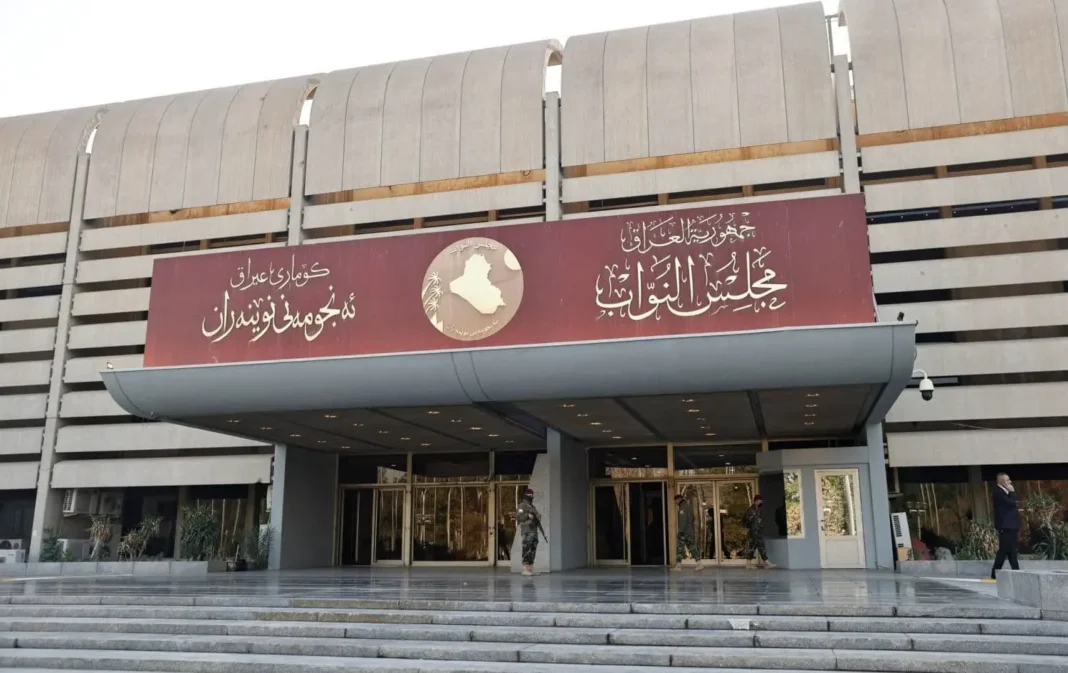
Iraq’s parliament has placed tax reform among its main priorities as public complaints increase. Lawmakers say citizens now pay too many fees while receiving weak public services. The Iraq tax reform push comes as families face pressure from healthcare, electricity, transport, and paperwork costs. Therefore, parliament wants a new law that protects low- and middle-income citizens.
Services Committee member Mohammed al-Hasnawi said lawmakers want a fairer tax system. He said the current structure places too much pressure on ordinary taxpayers. Moreover, several lawmakers have submitted proposals for a full review of tax policy. These proposals aim to spread the financial burden more evenly across society.
Many citizens say the state keeps adding charges without improving services. Employees already see deductions from their monthly salaries. One common charge links to the health sector and reaches 25,000 dinars. In addition, people pay extra fees for several government transactions.
Health services have become a major complaint for many families. Citizens say they pay fees but still use private hospitals when illness strikes. As a result, they feel the public system gives poor value for their money. They argue that public payments should bring better care and faster treatment.
Electricity has also increased anger among households. Some families pay around 200,000 dinars each month in collection charges. However, the national grid often provides only a few hours of power. Therefore, citizens question why they pay high fees for limited service.
Government paperwork creates another layer of pressure. Residents say simple transactions can require costly card payments. Some people say food, medicine, and basic services now carry extra costs. Consequently, workers feel their salaries return to the state shortly after payment.
Vehicle owners also face rising financial pressure. Registration charges can range from small amounts to much higher fees for larger vehicles. Drivers also pay road and bridge tolls during daily travel. Yet many roads still suffer from potholes, damage, and weak maintenance.
Because of that, volunteer groups have started fixing some roads themselves. They say accidents have increased in several areas. This situation has deepened public frustration over service quality. It also strengthens calls for stronger financial accountability.
Students face similar pressure inside public universities. Many universities charge fees under different names. Some students also pay through electronic systems to access exam results. As a result, some students seek grades through informal contacts instead.
The constitution guarantees social security, healthcare, and education as basic rights. Citizens often mention these rights when they criticize state fees. They say government charges should match real service quality. Therefore, public anger now feeds the Iraq tax reform debate.
Tax reform committee member Khalid al-Jabri said taxes should guide economic growth. He said customs and taxes can support investment and local production. However, he warned that outdated systems make taxes feel punitive. He also called for digital tools and modern oversight.
Al-Jabri argued that Iraq needs smarter financial management. He said a strong economy should create growth before raising revenue. In addition, he said digital systems can help build non-oil income. This change could reduce pressure on citizens and improve state planning.
Al-Hasnawi said parliament now wants to move toward a new tax law. The law would focus on fairness, protection, and balanced revenue. It would also aim to shield poorer families from higher costs. Therefore, the Iraq tax reform push could become a major legislative test.