J.P. Morgan has agreed to arrange development financing for a major fertilizer plant in Basra. KAR Electrical Power Plant Production Trading FZE hired the bank for the $1.6 billion project. The Iraq industrial project adds fresh momentum to the country’s private-sector growth. Moreover, it signals stronger foreign interest in Iraq’s industrial future.
The planned urea plant will support one of Iraq’s largest private industrial investments. J.P. Morgan will work with leading export credit agencies to secure financing. These agencies can help structure funding for large infrastructure and industrial ventures. Therefore, the project could attract wider international financial support.
The plant will produce 1.15 million tonnes of urea each year. This output can help Iraq reduce its dependence on imported fertilizer. It can also support farmers who face high input costs. As a result, the project may strengthen agriculture and food security.
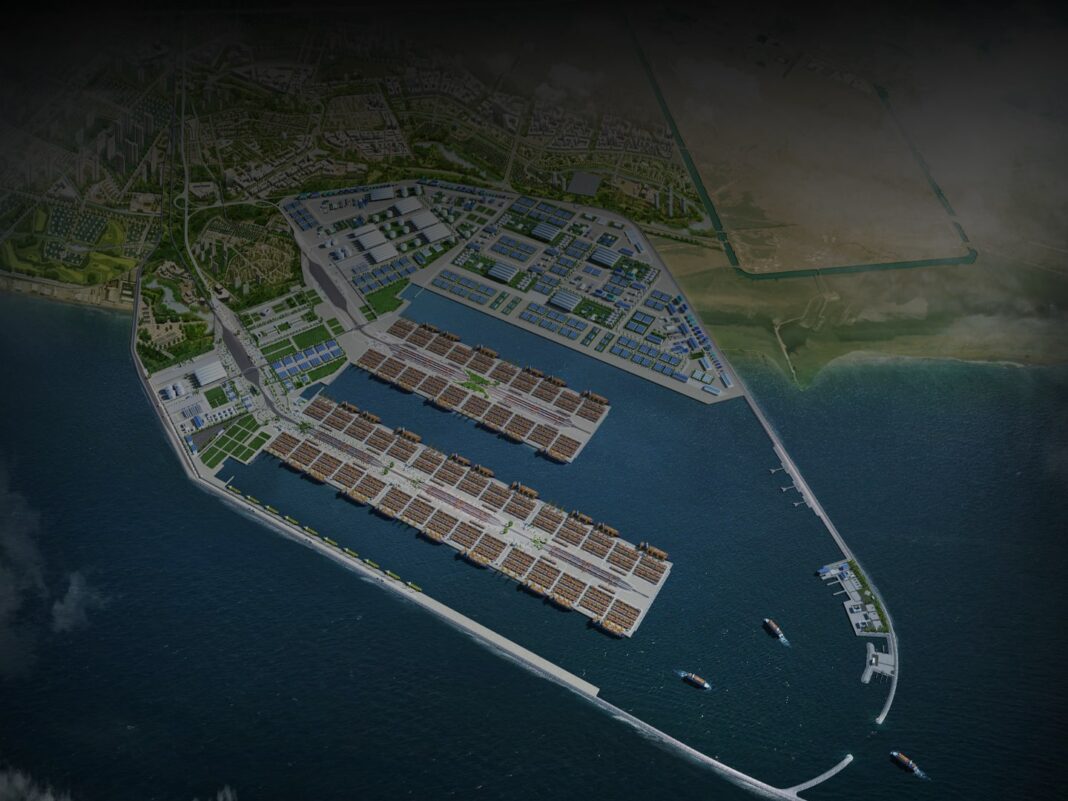
Basra will play a central role in the project’s development. The province already hosts major energy, trade, and industrial activity. In addition, the new plant could create jobs and support local services. Therefore, Basra may gain another important economic asset.
The project also comes after KBR completed key engineering design work. The U.S. engineering company finished the front-end engineering and design study. That step gives investors a clearer technical path for construction. Moreover, it shows growing foreign participation in Iraq’s industrial development.
KEPPT plans to use modern technology at the facility. The company wants to reduce environmental impact while raising production efficiency. Cleaner technology can help the plant meet stronger industrial standards. In turn, this may improve the project’s long-term value.
The Iraq industrial project also carries wider economic importance. Iraq imports large amounts of goods that local factories could produce. Fertilizer production gives the country a chance to replace part of those imports. Therefore, the plant can support industrial diversification beyond oil.
Agriculture could benefit directly from stronger local urea production. Farmers use urea to improve crop yields and soil productivity. Lower dependence on imports may also reduce price pressure in local markets. As a result, the project could help both producers and consumers.
KEPPT already operates major power plants in Basra. The company also has projects across energy, agriculture, transport, banking, and healthcare. Its planned investment portfolio exceeds $10 billion across Iraq. Consequently, the company has become a major private investor in national development.
J.P. Morgan’s role gives the project added financial weight. A global banking name can improve confidence among lenders and partners. It can also help Iraq show that large private projects can attract serious financing. This matters as the country seeks more non-oil investment.
However, the project still needs strong execution and stable financing. Large industrial plants require careful planning, contracts, and technical coordination. They also need reliable energy, transport links, and supply chains. Therefore, public and private partners must keep the project on track.
The Basra plant could become Iraq’s second operating urea production facility. That would mark an important step for domestic fertilizer manufacturing. It could also support exports if production grows beyond local demand. Moreover, the plant may help position Basra as an industrial hub.
The Iraq industrial project reflects a broader shift in investor confidence. It links finance, agriculture, technology, and local job creation. It also supports Iraq’s goal of building stronger industries outside crude exports. If completed successfully, the project could become a model for future private investment.