The threats against Iran’s Supreme Leader, Ayatollah Ali Khamenei, are intensifying regional concerns. Iran’s Consul General in Basra, Ali Abedi, warned Monday that such threats against Iran could provoke reactions beyond the Middle East. He emphasized that pressure on Khamenei would not weaken the resolve of Iraqis or Iranians. Furthermore, Abedi cautioned that any response could take “wide and unpredictable” forms.
He added that supporters of Iran’s leadership are prepared to act decisively if threats persist. “Future developments will show how these responses unfold,” he said. Experts stress that the threats against Iran already influence political calculations across Iraq and Lebanon. Analysts warn that even minor missteps could escalate into a larger confrontation.
Recently, Iran-aligned armed factions in Iraq have expressed readiness to support Tehran in a military conflict. Groups like Harakat al-Nujaba, Kataib Hezbollah, and the Badr Organization have signaled strong commitment. Some factions also mentioned consulting Najaf’s top Shiite authority, Ayatollah Ali al-Sistani, if Iran faces an attack. These actions reflect both political and religious dimensions of the response.
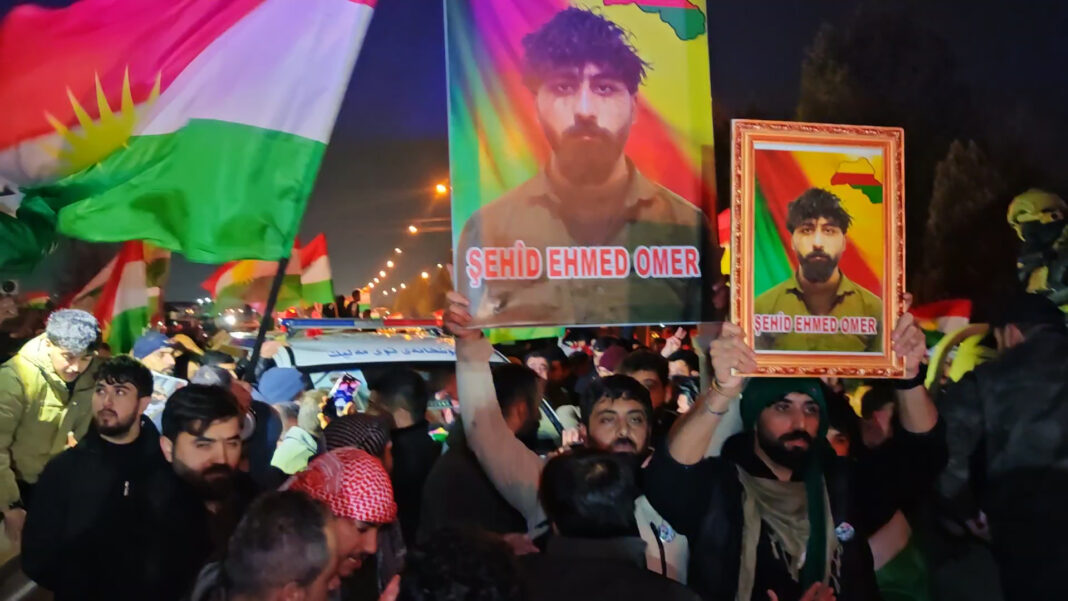
On Friday, Harakat al-Nujaba began registering volunteers in Shiite-majority provinces, including Babil and Dhi Qar. The initiative, called the “Martyrdom Brigades,” prepares for possible U.S. military action. Mohammed al-Dhabhawi, the group’s relations officer, told Shafaq News that the drive followed orders from secretary-general Akram al-Kaabi. He added that turnout exceeded expectations, showing strong local support for defending Iran.
Meanwhile, Hezbollah Secretary-General Naim Qassem in Lebanon warned that any assassination attempt on Khamenei could destabilize the region and the world. He said Hezbollah would respond using “all necessary measures” and reserved the right to act as it sees fit. Observers note that these warnings highlight the dangers of regional escalation if the threats against Iran are not addressed carefully.
The threats against Iran have already united allies and prompted urgent preparations across multiple countries. Analysts emphasize that continued pressure on Tehran could spark unpredictable political and military consequences. Transitioning from warnings to concrete actions, local factions and international actors are closely calculating their next steps. The coming weeks may determine whether diplomacy succeeds or tensions escalate further.