Kurds united against Iran is the guiding principle behind a new political alliance formed by Iranian Kurdish parties this week. The alliance seeks to strengthen Kurdish self-determination and challenge the Islamic Republic’s oppressive policies. The announcement has sparked strong reactions among Iranian opposition figures, highlighting growing tensions within the opposition.
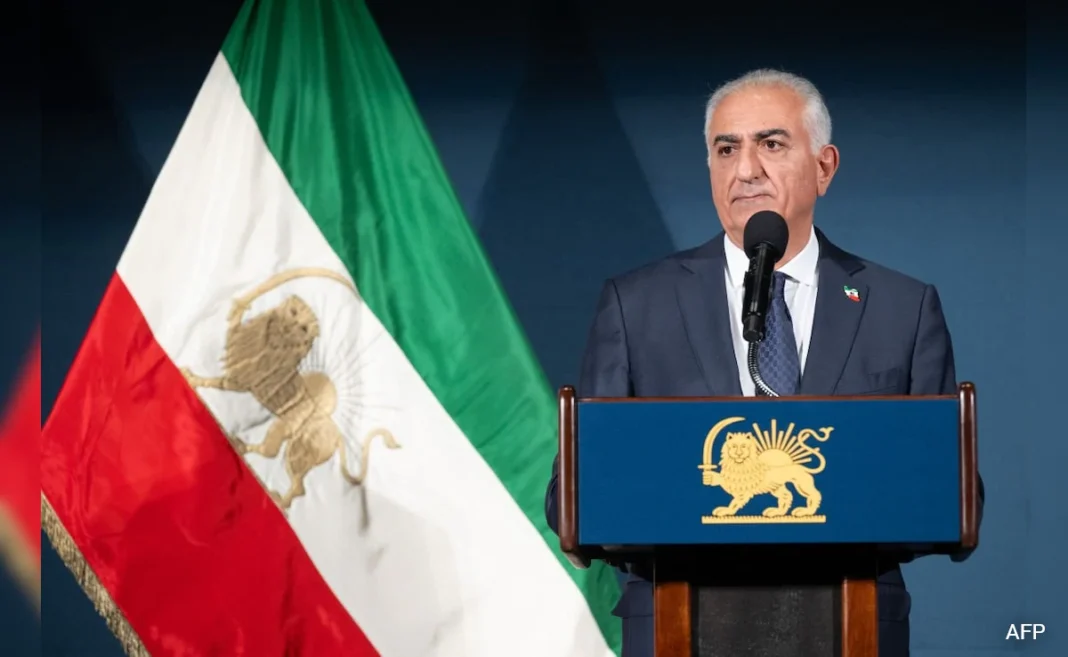
Abdullah Mohtadi, Secretary-General of the Komala Party, criticized Iranian opposition leader Reza Pahlavi for attempting to divide Kurdish efforts. Pahlavi accused several groups of undermining Iran’s territorial integrity, seemingly targeting the newly-formed Kurdish alliance. Mohtadi responded that Kurds are completely united against Iran and remain committed to a democratic future that protects the rights of all nationalities.
“Our participation or absence in any coalition does not weaken this fundamental belief or our solidarity,” Mohtadi emphasized. He added that Pahlavi’s accusations “inject hatred and hostility” between citizens, repeating false narratives used by Tehran to justify repression.
Pahlavi also claimed that some Kurdish groups historically collaborated with both Saddam Hussein and Ruhollah Khomeini, the leader who overthrew the Shah in 1979. He framed Iran’s territorial integrity as a non-negotiable “red line” and warned that anyone crossing it would face the nation’s decisive response.
Despite these warnings, the Kurdish alliance is moving forward. It brings together five major Kurdish parties: the Democratic Party of Iranian Kurdistan (PDKI), Free Life Party of Kurdistan (PJAK), Kurdistan Freedom Party (PAK), Komala Party of Iranian Kurdistan, and the Organization of Iranian Kurdistan Struggle (Khabat). The coalition aims to consolidate efforts to advance Kurdish political and cultural rights while resisting Iran’s authoritarian control.
The Kurdistan Region’s Interior Ministry clarified its position, distancing itself from armed Kurdish movements targeting Iran. The ministry emphasized that the Region promotes stability and peace, never threatening neighboring countries or allowing its territory to be used against them.
Analysts say this new Kurdish alliance could strengthen the Kurds’ political voice within the region. It also signals a more organized approach to addressing longstanding grievances with Tehran. Kurds united against Iran continue to be the driving force behind their strategy, highlighting determination in the face of repression.
The formation of this coalition also underscores internal divisions among Iranian opposition groups. While some emphasize national unity, Kurdish parties insist that true democracy requires respecting minority rights and ensuring fair representation.