Iraq is accelerating energy investments to strengthen growth and modernize its oil sector. Energy deals to boost Iraq’s economy now drive government planning and international partnerships. Leaders say new agreements will increase production, attract foreign expertise, and improve local livelihoods.
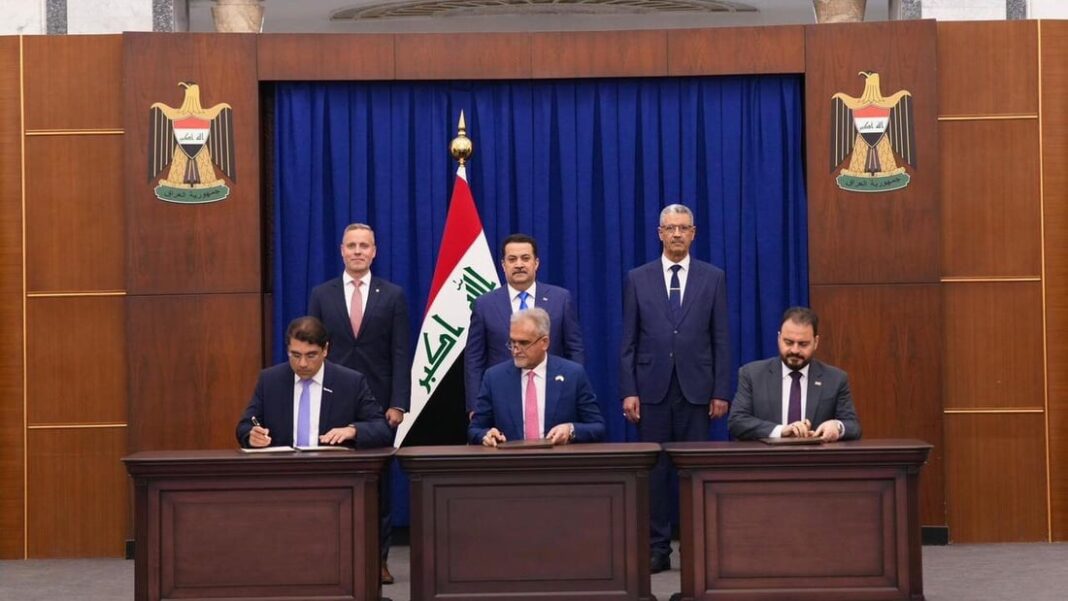
Mohammed Shia al-Sudani presided over a signing ceremony in Baghdad on Monday. Officials finalized two preliminary agreements covering major oil fields and exploration projects. These deals involve cooperation between Iraqi state companies and global energy firms.
The first agreement connects the Basra Oil Company with the Chevron Corporation. The partnership focuses on transferring management of the West Qurna 2 oil field. Officials expect the move to strengthen technical operations and improve production efficiency.
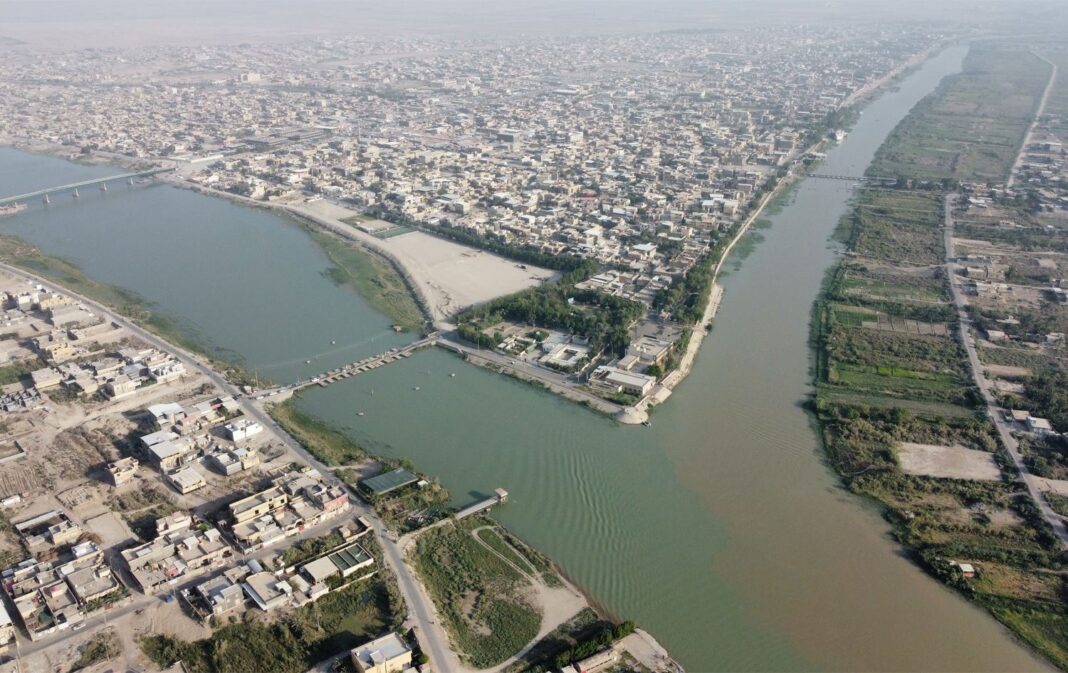
Meanwhile, a second agreement involves Dhi Qar Oil Company and North Oil Company. The project targets the development of the Nasiriyah field and four exploration blocks. In addition, the agreement includes plans to develop the Balad oil field in Salah Al-Din province.
Government officials emphasized economic benefits throughout the ceremony. They stated that energy investments will support job creation and infrastructure improvements. They also expect stronger revenues to fund development programs in southern and central provinces.
Furthermore, leaders highlighted a previous settlement involving Lukoil and Basra Oil Company. That settlement allows temporary transfer of contractual responsibilities to the Iraqi company. Authorities say the Council of Ministers must approve the arrangement before implementation.
In addition, a new framework agreement outlines future steps for Chevron’s involvement. The framework allows Basra Oil Company to temporarily manage the contract. Later, it may transfer operational rights to Chevron after final negotiations conclude.
Importantly, the agreement grants Chevron exclusive negotiation rights for one year. Officials believe this period will allow detailed technical and financial discussions. They also expect negotiations to produce a contract aligned with Iraq’s strategic priorities.
Government leaders repeatedly stressed Energy deals to boost Iraq’s economy as a national goal. They noted that modernization of oil infrastructure remains essential for long-term stability. Moreover, they said partnerships with international firms will help transfer advanced technologies.
Observers also highlighted regional development impacts. Projects in Dhi Qar and Salah Al-Din could create jobs and improve local services. Officials believe economic progress in these areas will strengthen social stability.
The ceremony concluded with renewed commitments to energy reform. Leaders pledged to continue attracting foreign investment into key sectors. They also reaffirmed that Energy deals to boost Iraq’s economy will remain central to Iraq’s development strategy.