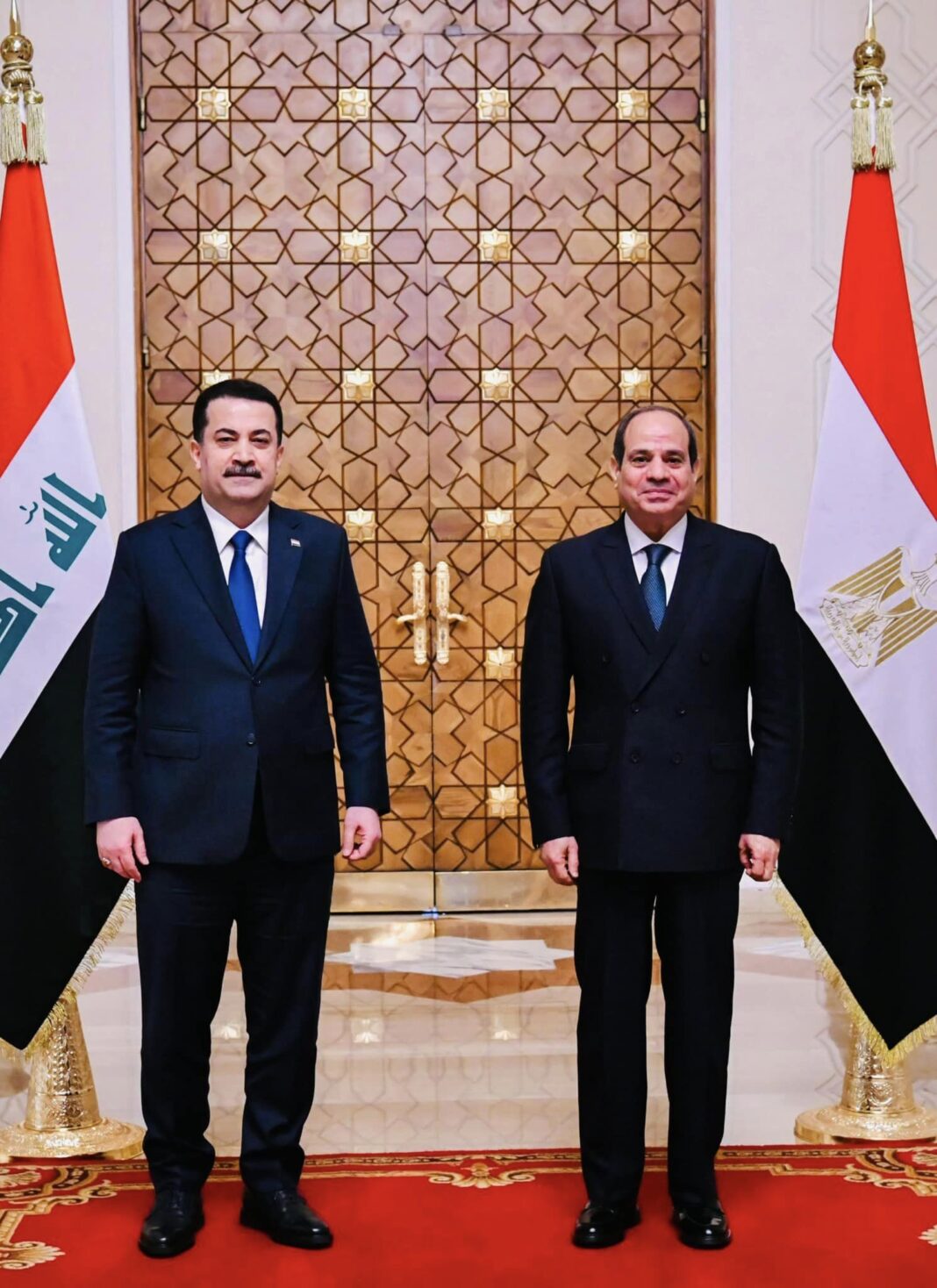
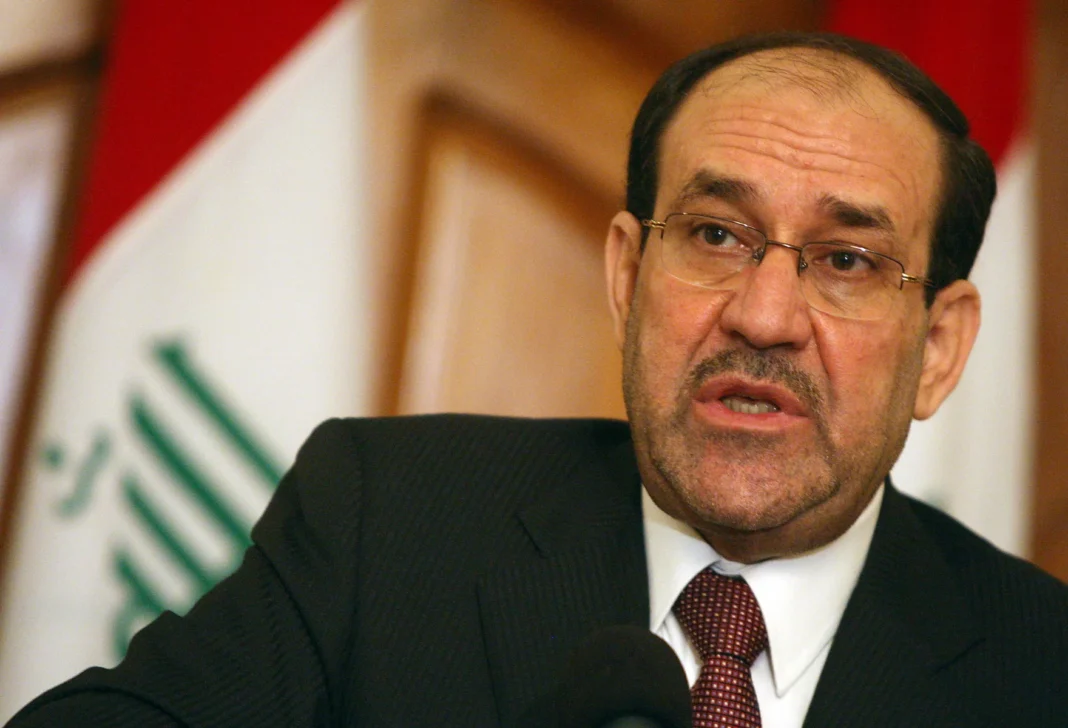
President Abdul Latif Jamal Rashid met on Wednesday with Nouri al-Maliki, head of the State of Law Coalition, to discuss Iraq’s political coordination. They reviewed developments across local and regional scenes and their potential repercussions.
The Presidency stated that Rashid emphasized the need to unify efforts to confront these challenges. He added that supporting state institutions and upholding the rule of law remain crucial. Moreover, the president highlighted that coordinated action is essential for preserving Iraq’s security and stability.
Meanwhile, Al-Maliki stressed the importance of continued dialogue among political forces. He said Iraq’s political coordination ensures constitutional requirements proceed smoothly while maintaining national stability. Furthermore, he underlined that collaboration helps meet citizens’ aspirations for development and improved services.
During the meeting, both leaders recognized that regional tensions directly affect Iraq’s domestic stability. They agreed that proactive political coordination can mitigate these risks and prevent unrest. As a result, they pledged to strengthen communication between key political actors.
In addition, Rashid noted that Iraq’s political coordination must remain flexible to address emerging threats. He emphasized that every political faction has a role in safeguarding state institutions. Transitioning from general discussion, the president called for clear strategies to implement reforms efficiently.
Al-Maliki supported the president’s position, adding that transparent dialogue among political forces reduces misunderstandings and fosters trust. He also recommended regular consultations to align on security measures and constitutional progress.
Observers said the meeting reflects a renewed commitment to Iraq’s political coordination. They noted that strong leadership and continuous dialogue can stabilize governance structures. Consequently, citizens may witness faster development projects and better public services.
Overall, Rashid and Al-Maliki concluded that Iraq’s political coordination is key to national stability. They agreed to maintain ongoing discussions with other coalition leaders. Furthermore, they pledged to monitor both local and regional developments closely to ensure timely responses.
The meeting highlighted the central role of cooperation, transparency, and strategic planning in maintaining Iraq’s security, constitutional integrity, and regional stability. Political analysts praised the session as a step toward stronger governance.