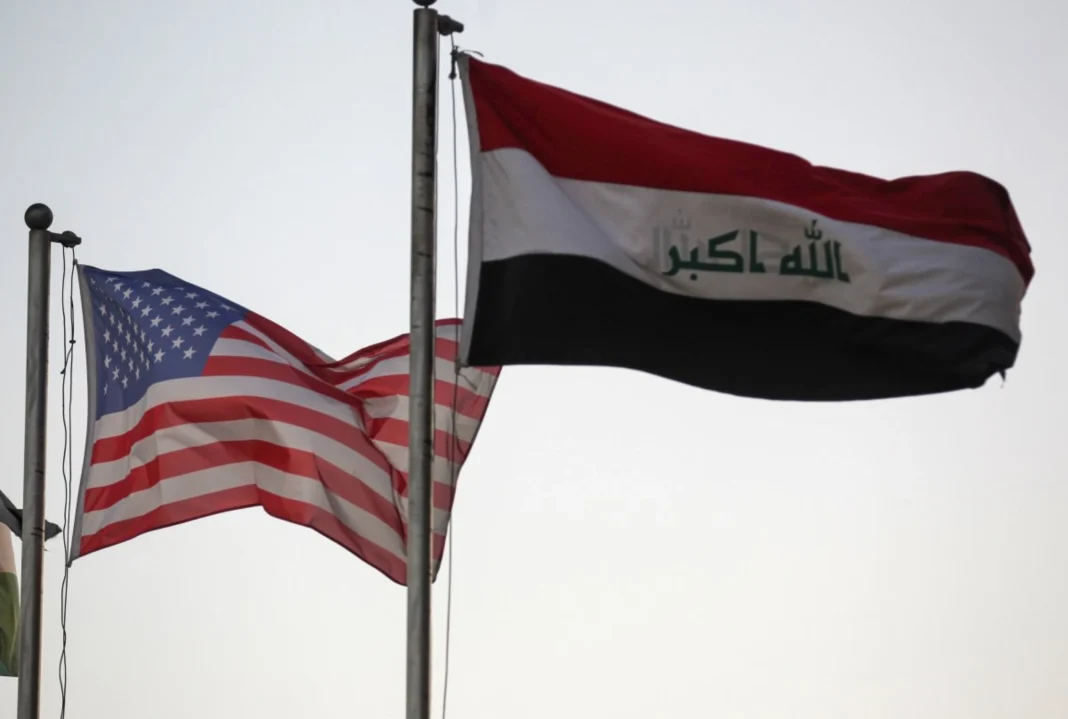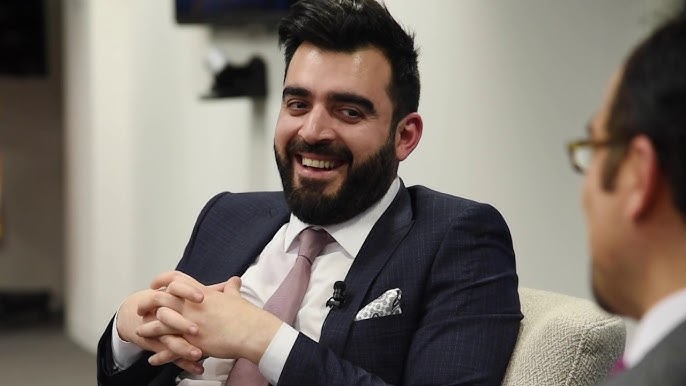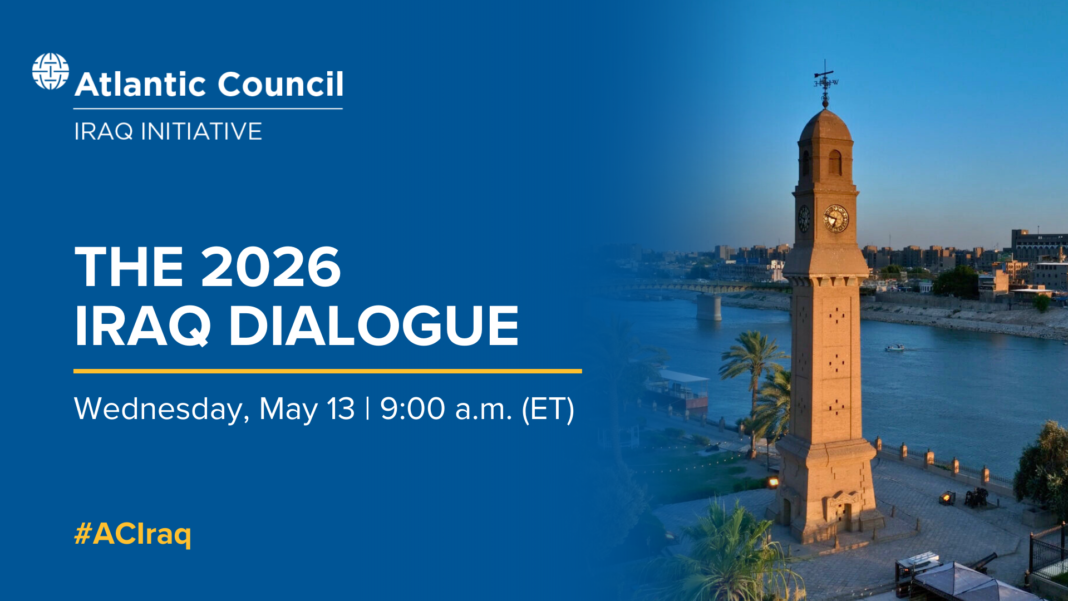
U.S.-Iraq relations shift became the central theme at “Iraq Dialogue Day” in Washington on Wednesday as officials and experts discussed a new direction in ties between Baghdad and the United States. The event focused on moving cooperation from security priorities toward investment and economic engagement.
“Iraq Dialogue Day” took place at the Atlantic Council and gathered diplomats, analysts, and former officials. Participants examined how U.S.–Iraq relations are evolving after years dominated by security cooperation.
Victoria Taylor, director of the Iraq Program at the Atlantic Council, described a major turning point in the relationship. She said the gradual end of the Global Coalition mission changes the foundation of bilateral engagement.
For more than two decades, security shaped U.S.–Iraq relations. However, Taylor stressed that current realities now demand a stronger economic focus.
Furthermore, she explained that Washington is increasingly prioritizing economic agreements and investment opportunities. This shift opens space for deeper business cooperation between the two countries.
At the same time, she warned that political engagement between Baghdad and Washington has declined. She noted that high-level communication no longer happens with the same consistency as before.
In addition, Taylor urged Iraqi officials to increase diplomatic visits to Washington. She said stronger engagement would help both sides understand shifting priorities and policy directions.
Meanwhile, the shift in U.S.-Iraq relations also reflects Iraq’s broader foreign policy adjustments. Analysts believe economic cooperation now plays a more central role than military coordination.
Former Iraqi Foreign Minister Hoshyar Zebari also addressed the forum. He argued that stagnation in relations does not come from missing agreements.
Instead, he said weak political will inside successive Iraqi governments slowed progress. He stressed that existing frameworks already support strong bilateral cooperation.
Moreover, Zebari defended the Strategic Framework Agreement between Iraq and the United States. He said the agreement could have delivered major regional advantages if fully implemented.
He added that administrative neglect prevented many provisions from being activated. As a result, several long-term projects failed to progress.
At the same time, Zebari said the current U.S. administration now takes a more direct approach. He noted that Washington shows a stronger interest in resolving outstanding issues.
Nevertheless, he described the approach as sometimes transactional. Even so, he acknowledged improved awareness of U.S. policy priorities among Iraqi officials.
As discussions continue, U.S.-Iraq relations signal a broader transformation in diplomatic strategy. Security cooperation remains important, but economic partnership now leads the agenda.
Experts at the “Iraq Dialogue Day” agreed that the coming years will define the new direction of this relationship. However, they also emphasized that progress depends on consistent political engagement from both sides.