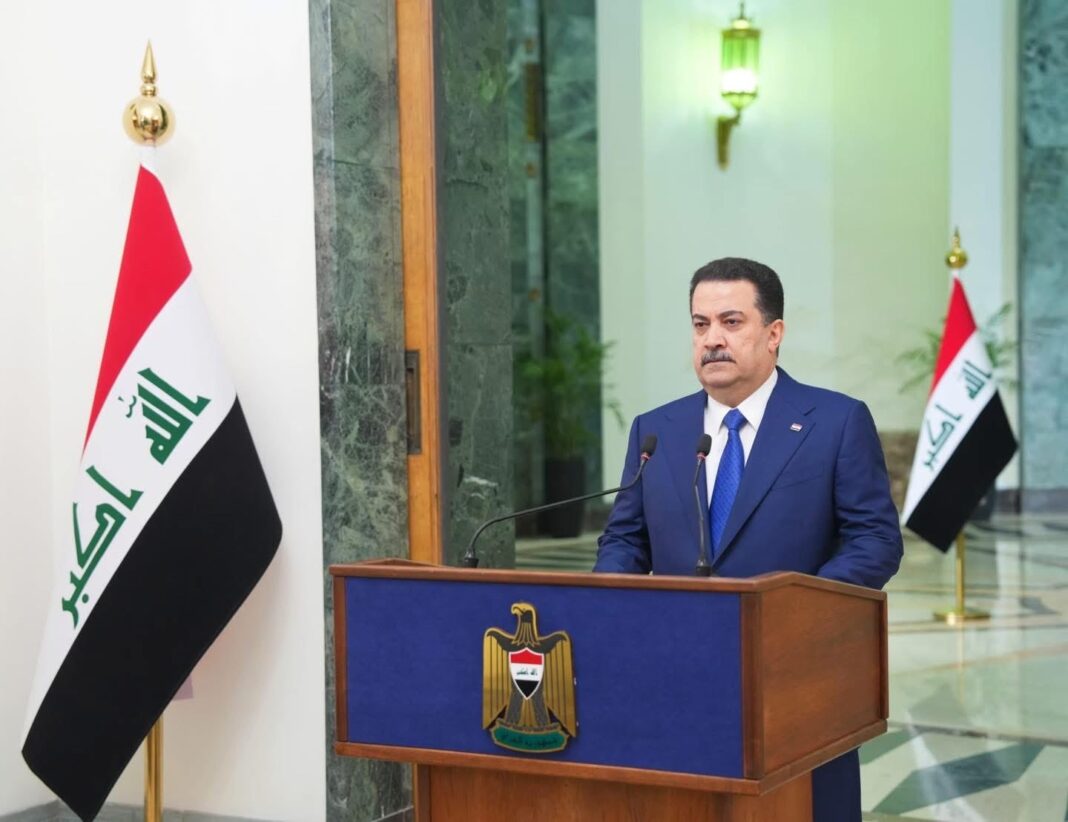
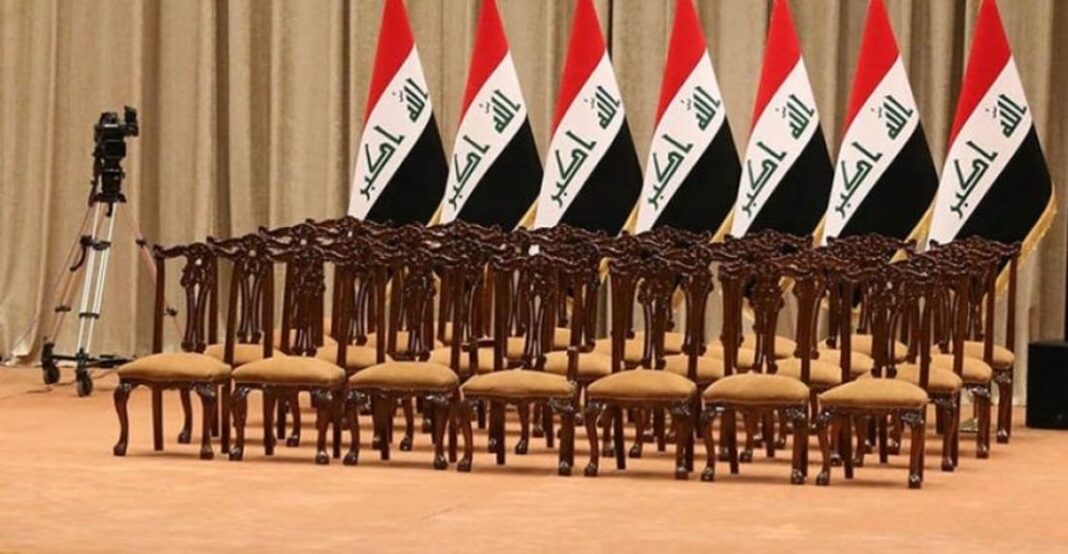
The Iraq cabinet formation accelerated on Wednesday as Iraqi political blocs began announcing ministerial nominees ahead of a crucial parliamentary confidence vote on Prime Minister-designate Ali al-Zaidi’s government. Lawmakers now prepare to vote on 17 ministries, while six portfolios remain unresolved.
Parliamentary discussions continue ahead of Thursday’s session in Baghdad. Political leaders still struggle to settle disputes over key ministries and power-sharing arrangements.
However, several blocs have already revealed their nominees. These announcements signal progress despite ongoing political tensions inside parliament.
The delayed ministries include defense, interior, culture, labor, youth and sports, and migration and displaced persons. Political disagreements and external pressure continue to slow agreement on those positions.
Additionally, concerns over armed group participation in government continue to influence negotiations. These concerns have added further complexity to the Iraq cabinet formation process.
Meanwhile, the Reconstruction and Development Coalition nominated Bassem Mohammed Khudair for oil minister. The oil sector remains one of Iraq’s most critical economic portfolios.
At the same time, the Hikma Movement put forward Falih al-Sari for the position of finance minister. It also nominated Safaa al-Kinani for the youth and sports portfolio.
Furthermore, Asaib Ahl al-Haq nominated Laith al-Khazali for deputy prime minister. Political observers view this role as strategically important within the new government structure.
On the Sunni political side, the Taqaddum bloc announced two key nominees. Mohammed Nouri al-Karbouli will run for industry minister, while Abdulkarim Abtan will compete for education minister.
In contrast, Kurdish parties have already agreed on several ministerial allocations. The Kurdistan Democratic Party nominated Fuad Hussein for foreign affairs minister.
Additionally, the same party nominated Rebaz Hamlan for the construction and housing portfolio. These nominations reflect the continued influence of Kurdish blocs in Baghdad politics.
The Patriotic Union of Kurdistan selected Khalid Shwani for justice minister. Meanwhile, the New Generation Movement nominated Srwa Abdulwahid for the environment minister.
Together, Kurdish blocs continue to play a major role in shaping the Iraq cabinet formation process. Their participation remains central to coalition balance in parliament.
However, not all political groups have finalized their choices. The State of Law Coalition and other Coordination Framework blocs have yet to publicly announce full nominee lists.
Negotiations continue behind closed doors as lawmakers work to finalize remaining portfolios. The final agreement will determine whether the cabinet secures parliamentary approval.
Despite divisions, political leaders aim to complete the vote on schedule. Many observers believe the outcome will shape Iraq’s political direction for years.
As Thursday approaches, attention remains fixed on Baghdad. The Iraq cabinet formation process now enters its most decisive stage.