ISIS detainee transfers are reshaping Iraq’s security calculations at a sensitive political moment. Iraq is receiving thousands of suspected ISIS members from Syria under a US Central Command initiative. Officials describe the move as necessary for containment. However, critics warn it could heighten risks inside already fragile border regions.
In January, clashes erupted between Syrian Democratic Forces and the Syrian Transitional Government. Following those clashes, the United States decided to relocate detainees. The plan allows the transfer of up to 7,000 ISIS suspects to Iraq. These detainees include hardened male fighters and other high-risk individuals.
However, These prisoners form part of a much larger group captured in 2019. That year marked the territorial defeat of ISIS in Iraq and Syria. Authorities detained more than 30,000 suspected members. Many detainees included women and children from around 60 countries. Over time, some countries repatriated their citizens. Others remained in camps across northeastern Syria.
Recently, U.S. planners have focused on moving male prisoners, as officials consider them the highest security threat. Meanwhile, some women and children remain in Syria, where authorities prefer reintegrating local families into society. At the same time, Iraq has accepted responsibility for securing the transferred fighters.
Moreover, reports indicate that Iraqi authorities already received around 2,200 male detainees. US Central Command confirmed the operation in a January 21 statement. Command officials said the mission ensures secure detention. They emphasized preventing escapes and regional destabilization. Initial transfers moved 150 detainees from Hasakah to Iraq.
US commanders stressed coordination with Iraqi authorities. They praised Baghdad’s role in sustaining pressure on ISIS remnants. Officials also warned that detention breakouts could threaten regional and global security. Videos circulating online showed convoy movements across the Syrian border.
Regional media reported continued transfers under coalition protection. Iraqi officials confirmed arrivals by land and air. Coordination involved Iraqi forces and international partners. The operation coincided with a gradual US base drawdown in Syria. That timing has raised additional questions.
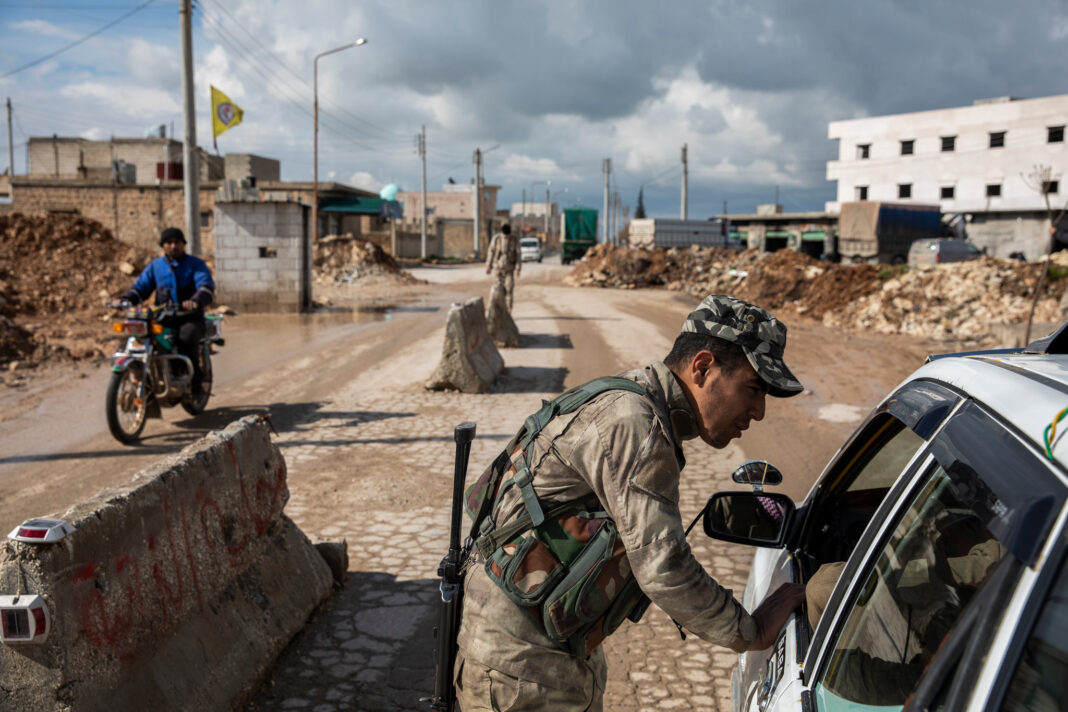
Furthermore, inside Iraq, security officials have issued fresh warnings. Authorities report increased ISIS activity near the Syrian border. Nineveh and Anbar governorates face heightened concern. These regions previously served as infiltration routes for militants. History makes renewed activity especially alarming.
Local officials described Anbar as vast and difficult to secure. Recent suicide attacks injured federal security forces. Security agencies confirmed the incidents publicly. Ultimately, These developments highlight the risks surrounding ISIS detainee transfers. Authorities stress the need for tight detention controls.
Iraq has experience holding ISIS prisoners since 2017. The country defeated the group with coalition support. That coalition includes nearly 90 countries. However, circumstances have changed since then. Iraq recently asked US forces to leave several bases.
By late 2025, most US troops departed Ain al-Asad base. That base previously supported Anbar security. Consequently, analysts question whether reduced US presence could weaken containment. US forces now concentrate largely in the Kurdistan Region.
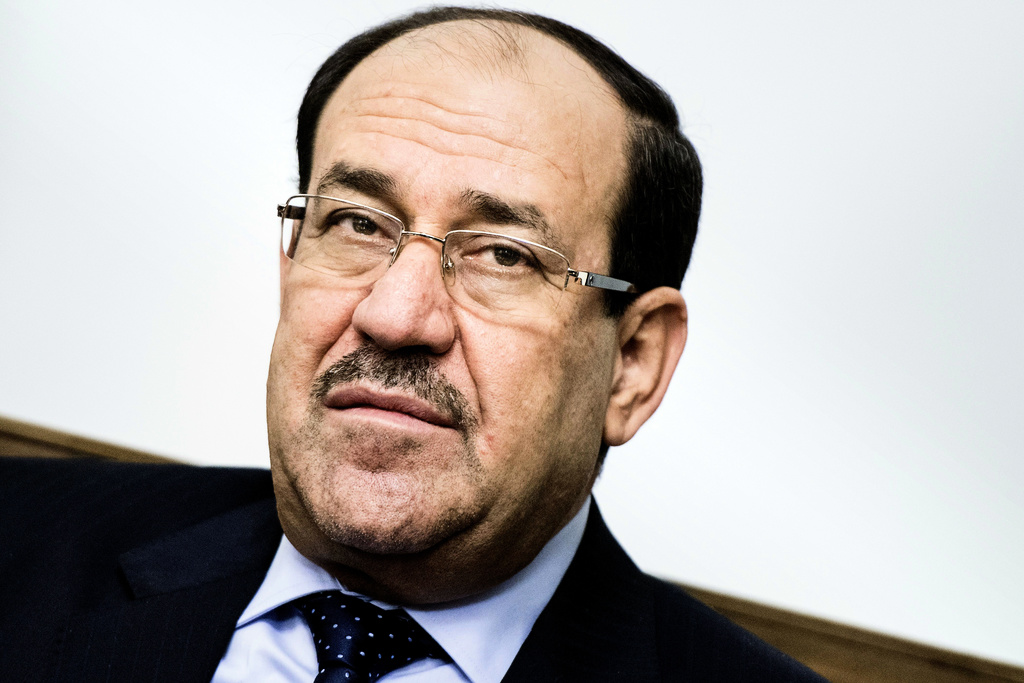
Ultimately, political tensions further complicate the situation. Washington has warned against appointing Nouri al-Maliki as prime minister. US officials linked future support to leadership choices. Iraq remains deadlocked after November elections.
Maliki served as prime minister during the 2014 ISIS surge. He has sought a political return. Meanwhile, detainee arrivals add pressure to stalled negotiations. Together, political paralysis and ISIS detainee transfers create overlapping risks. Iraq now faces a delicate test of security and governance.